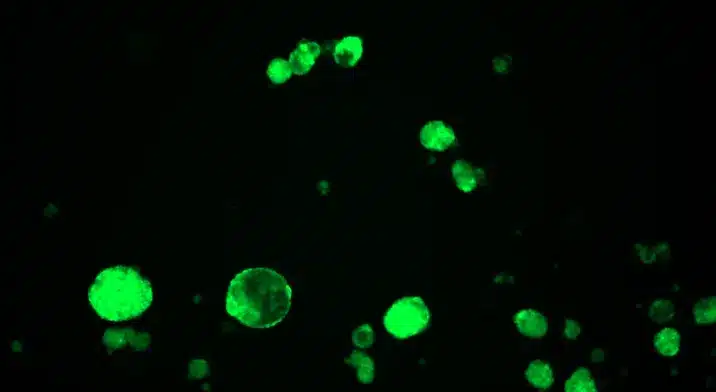
Researchers from the University of Newcastle and HMRI’s Cancer Detection and Therapy research program have made a significant breakthrough in understanding HER2-positive breast cancer.
HER2-positive breast cancer is a type of breast cancer characterised by high levels of the tyrosine kinase receptor HER2, leading to more aggressive disease and shorter patient survival.
HER2-positive breast cancer accounts for 20 percent of all breast cancers, affecting about 5,000 Australians each year. It will often metastasise into the brain, lungs and other organs.
HER2-positive breast cancer is one of the most difficult to treat sub-types, along with triple-negative breast cancer.
Around 90 percent of cases are detected early and can be treated with chemotherapy and targeted therapy but around 20 percent of early-stage patients will experience a recurrence, which is often incurable and life-threatening.
There is no known cure as yet but this research is showing promising results with a repurposed cancer drug that is being directed to a highly specific target.
The drug that the researchers are looking at can cross the blood-brain barrier making it a promising therapy approach for brain metastasis.
This drug is currently being tested in pre-clinical models and the researchers are validating their results with oncologist collaborators.
This research, which has taken two years so far, was initially funded through the generosity of HMRI donors as part of a HMRI Philanthropy grant.
About HER2 Positive Breast Cancer
- HER2-positive breast cancer is a breast cancer that tests positive for a protein called human epidermal growth factor receptor 2- a protein that promotes the growth of cancer cells
- Around 15-20 percent of breast cancer cases are HER2-positive
- HER2- breast cancer is not hereditary but is caused by excess production of the HER2 protein
- HER2 breast cancer can tend to grow and spread faster than other types of breast cancer, but often responds well to HER2-targeted treatments.