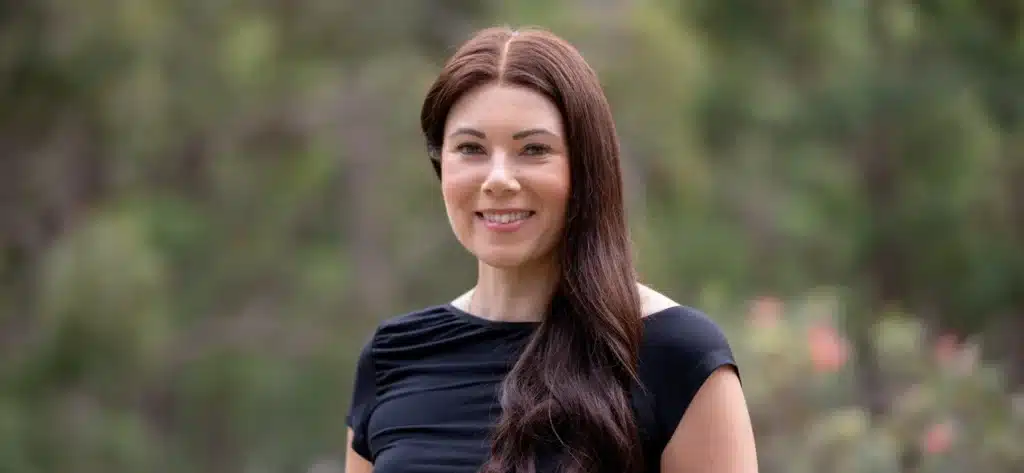
It has been 16 years since Crystal Fitzgibbon survived a stroke at just 26, thanks to her partner’s quick action and a world-first clinical trial.
Early recognition of stroke symptoms and rapid medical care allowed Crystal to receive Tenecteplase, a clot-busting drug that led to a near-instant recovery and is now standard treatment worldwide.
This National Stroke Week Australians are urged to learn the FAST test (Face, Arms, Speech, Time) and call triple zero (000) at the first signs of stroke.
When Crystal Fitzgibbon began experiencing symptoms of a stroke, her partner recognised something was wrong and acted fast. It was a decision that not only saved Crystal’s life, but allowed her to receive a treatment that helped her make a full recovery.
Crystal was just 26 years old when she suffered a stroke.
“We’d just moved into our new home and we were building a retaining wall,” she said.
“I’d just put down one of those big blocks and just didn’t feel one hundred percent so I sat down and I tried to speak. I tried to say hello to myself and just absolute gibberish came out and I thought, okay, something is seriously wrong here.”
She called for her partner, who found her struggling to speak and walk.
“He sort of caught me and put me on the lounge and called the ambulance straight away.”
Recognising the signs of stroke and getting help quickly made all the difference for Crystal.
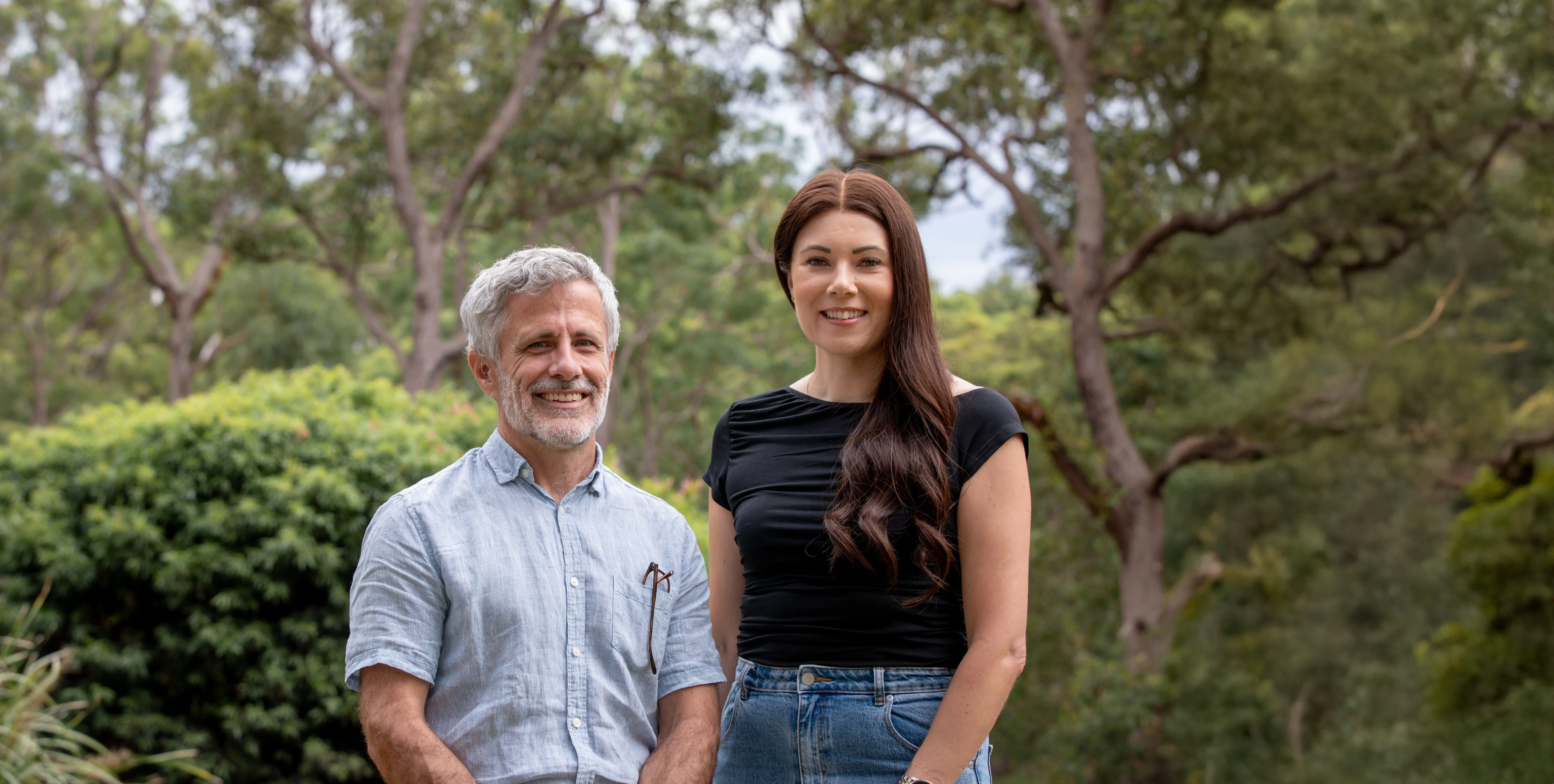
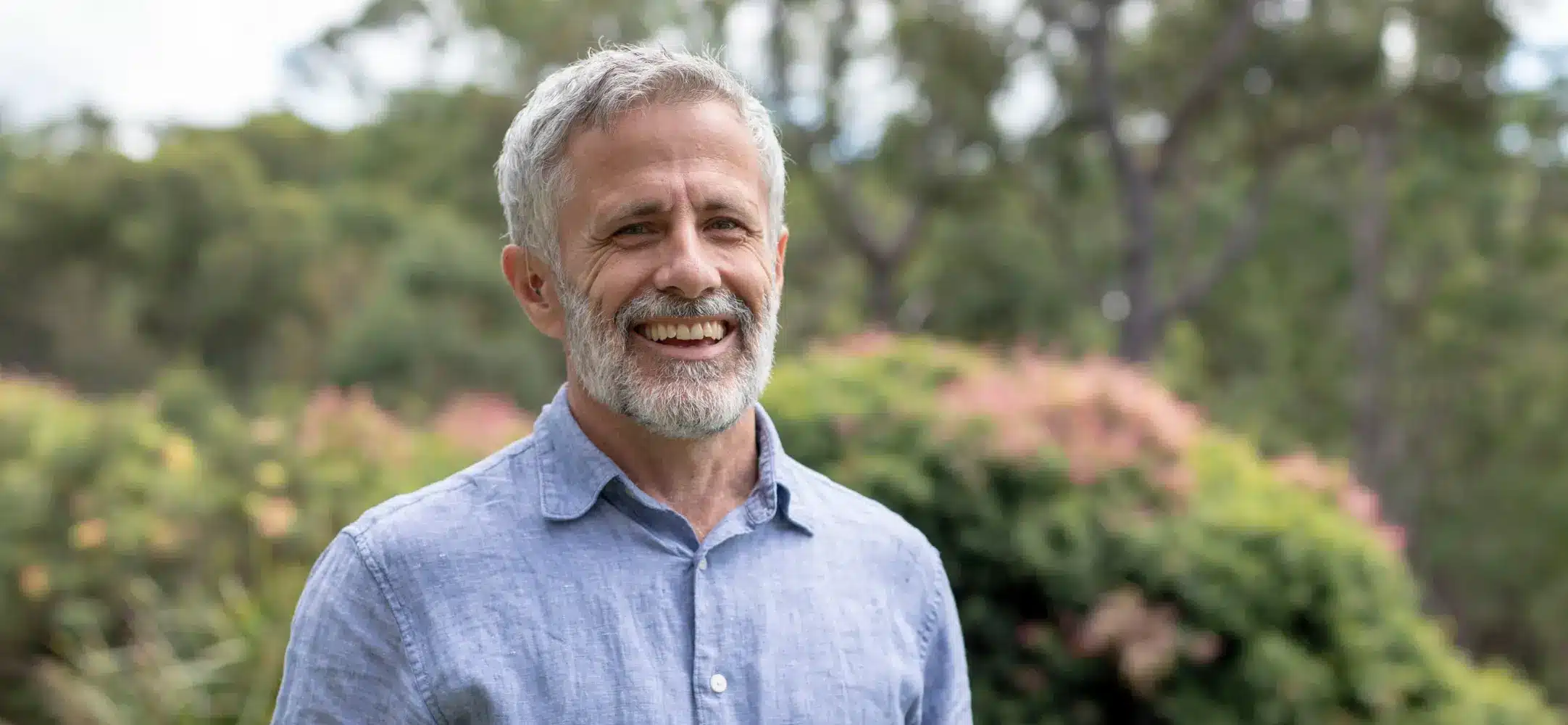
University of Newcastle’s Professor Neil Spratt, from HMRI’s Heart and Stroke Research Program
“It was pretty clear she had a significant stroke,” Professor Spratt said. “She was paralysed down the right side and her language was affected, she was having trouble speaking and understanding.”
Inside the emergency department, the fear started to set in.
“The most scared that I was, was when they asked what my mum’s name was and ‘Sarah’ came out of my mouth, but my mum’s name is Tina,” Crystal said. “That was when I started to get really, really scared.”
Her father arrived soon after.
“My dad came a little bit later and he, just seeing me in the bed, he was obviously devastated,” she said.
Crystal underwent advanced CT perfusion imaging to assess brain damage and determine whether a promising new clot-busting treatment could be used.
She was then treated with the drug Tenecteplase as part of a groundbreaking clinical trial which formed part of a study that would later be published in the New England Journal of Medicine.
“I still remember very well that we gave the drug and it really was a Lazarus-like recovery,” Professor Spratt said. “She really almost came better on the end of the needle, started moving the right side and started speaking to us.”
“I just remember my dad was on my right side and he had my hand in his and when my strength came back in my right arm there was no way I was letting go of his hand. I just held on to it so tightly,” Crystal said.
“Without the drug, I was told that half of my brain would have died,” she said. “And three days after I had the stroke, I walked out of the hospital.”
Professor Spratt says Crystal’s case helped set the stage for a global shift in stroke care.
“That trial is now finished and the medication Tenecteplase is now standard of care for stroke. Stroke is one of the big diseases in the world. About one in six people alive today will have a stroke in their lifetime. So the potential impact is enormous.”
Crystal Fitzgibbon, 2025
Nearly 16 years later, there are no signs that Crystal ever suffered a stroke.
“My future is really whatever I want it to be,” she said.
She credits her recovery to early treatment and the support of her loved ones.
“I’ve been able to do a law degree, I got my practising certificate, so I was able to go on and study and work full time with the help of my husband.”
As National Stroke Week highlights the importance of rapid response and public awareness, Australians are reminded to look for the signs of stroke and act quickly because every second counts.
“To look back on that moment in time to where I am now, and all of the things that life has been able to give me,” Crystal said, “I think is just miraculous.”
To help recognise and respond to the signs of a stroke, remember the word FAST:
Face – Has their face or mouth drooped?
Arms – Can they lift both arms?
Speech – Is their speech slurred? Do they understand you?
Time is critical – If you see any of these signs, call triple zero (000) immediately and ask for an ambulance. Early treatment could save a life.
Tags
hunter medical research institute, Professor Neil Spratt, Stroke, stroke recovery, tenecteplase