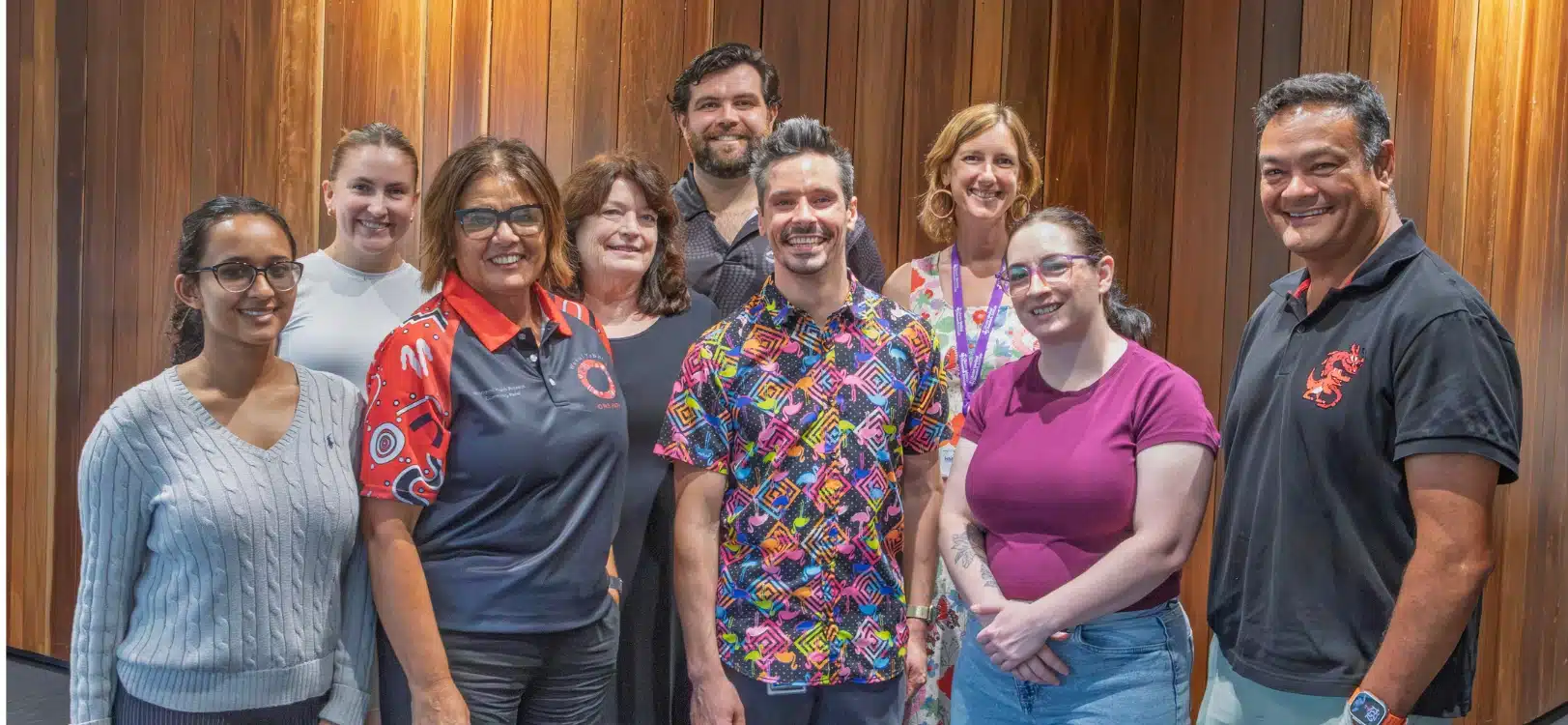
This year, World Hearing Day is shining a light From Communities to Classrooms: Hearing Care for All Children, and is drawing attention to a problem that often goes unseen. But for Ear, Nose and Throat (ENT) specialist, Professor Kelvin Kong AM and the Muku Health research team based at HMRI, childhood hearing loss is a developmental emergency.
A proud Worimi man, renowned ENT surgeon, University of Newcastle Professor, and ear health researcher within HMRI’s Immune Health program, Professor Kong sees the reality of childhood hearing loss every day. For many children, particularly those living in regional and remote areas, or within Aboriginal and Torres Strait Islander communities, hearing is shaping their futures long before they step into a classroom.
Hearing loss in the early years
When a child cannot hear clearly, it affects their speech, learning and confidence from the very start. In the early years, the consequences can last a lifetime.
“The first four years are so important,” Professor Kong explains. “That’s the most crucial time of neuroplasticity.”
During this window, children are learning language, social interaction, behaviour regulation and emotional connection. When hearing is reduced, they can miss the building blocks of speech, learning and connection.
Too often, the signs of childhood hearing loss are misunderstood. A child who does not respond may be labelled naughty. A preschooler who struggles to follow instructions may be seen as disruptive. In reality, they may simply not be hearing clearly.
Without early intervention, the impact can follow a child for life. Research shows that when hearing loss is addressed before the age of two, children have the best chance of reaching their developmental potential. Delays beyond those early years make catching up far harder.
A disproportionate burden
While middle ear infections, also known as otitis media, affect most children at some point, the pattern is different for Aboriginal and Torres Strait Islander people.
“In our communities, we’re seeing it earlier, under 12 months of age, and for longer durations,” Professor Kong explains.
Complications such as persistent infections, perforated eardrums and hospital presentations are more common, while limited access to timely specialist care can allow conditions to become chronic.
There is also a cultural impact, as children miss songlines, stories and subtle social cues in large family gatherings.
“Our family and mob are usually big and noisy, so engagement in that environment is very hard when you’ve got conductive hearing loss,” Professor Kong says.
Impact of early intervention
Ryan Bass, an Aboriginal Health Worker with Awabakal Aboriginal Medical Service, knew something wasn’t right with his three-year-old son Hewie hearing. Concerned, Ryan took his son to see Professor Kong. Within a few months, Hewie had grommets inserted, and the difference was immediate.
“His hearing is already improving really nicely, I expect a brilliant outcome,” Professor Kong says. “It’s a wonderful impact, because that’s a kid that could have been left behind.”
For Ryan, the experience reinforced the importance of acting early. Hewy is now better able to engage with his family, his culture, and preschool.
Research in action
Professor Kong’s team at HMRI is working closely with communities to ensure research translates into real world change.
A major breakthrough has been the expansion of telehealth and audiology-led care pathways. His pioneering work in the telehealth space, which pre-dates the COVID-19 pandemic, has empowered audiologists and Aboriginal Health Workers to assess ears on the ground in their own communities, connect with specialists remotely, and fast track treatment.
“We’ve seen wait times in some communities fall from five years to just three months,” Professor Kong says. “We’re now rolling out across more vulnerable communities, also metro and urban populations.”
“I truly believe that if you can get it right for the most vulnerable populations, you get it right for all communities, and that’s a bonus for everyone.”
The road ahead for hearing equity
Despite progress, significant systemic barriers remain. Professor Kong says systems and institutions must evolve to be more culturally responsive and accessible for Aboriginal and Torres Strait Islander communities. Structural inequities often determine who receives timely care.
“This generational disadvantage affects the outcomes of our children, but as you start changing some of those barriers to access, education and healthcare, hopefully we’ll see differences.”
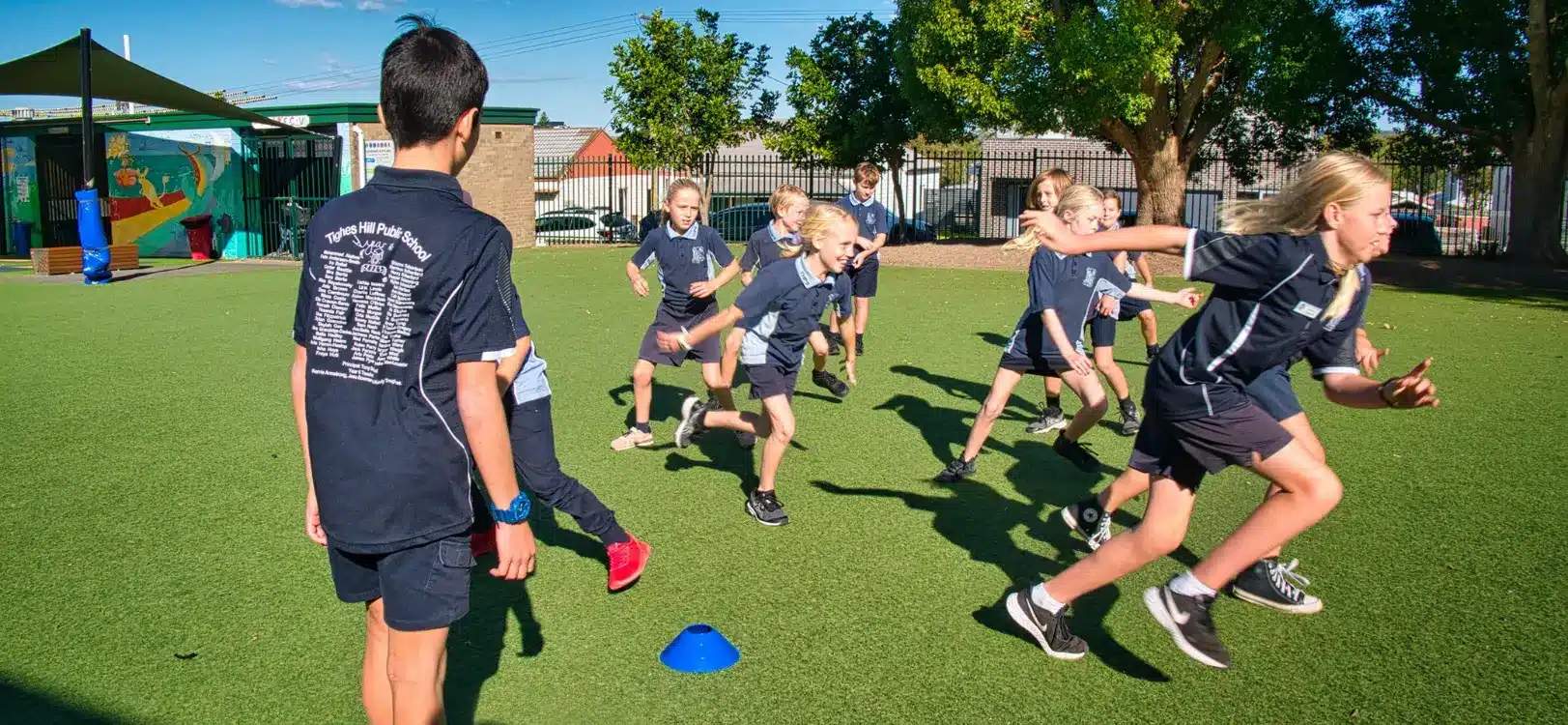
This World Hearing Day, Professor Kong and his team are urging the whole community to remember that hearing sits at the heart of childhood development.
“Every child in Australia should have the opportunities they deserve, and it should never be predicated by postcode, healthcare access, or their hearing,” Professor Kong says.
When care is timely and accessible, children have the chance to learn, connect and grow without barriers. That is something every child in every classroom and in every community deserves.