
At its core, medical research is about more than lab experiments and data, it’s about people.
Behind many of the breakthroughs are individuals who shared their stories, helping to shape the direction of health and medical research for communities now, and for generations to come.
When researchers listen to lived experience, they gain insights no lab test could ever capture. Patient advocates play a vital role in bridging the gap between data and daily life, ensuring that research stays grounded in what truly matters to the people it’s meant to help.
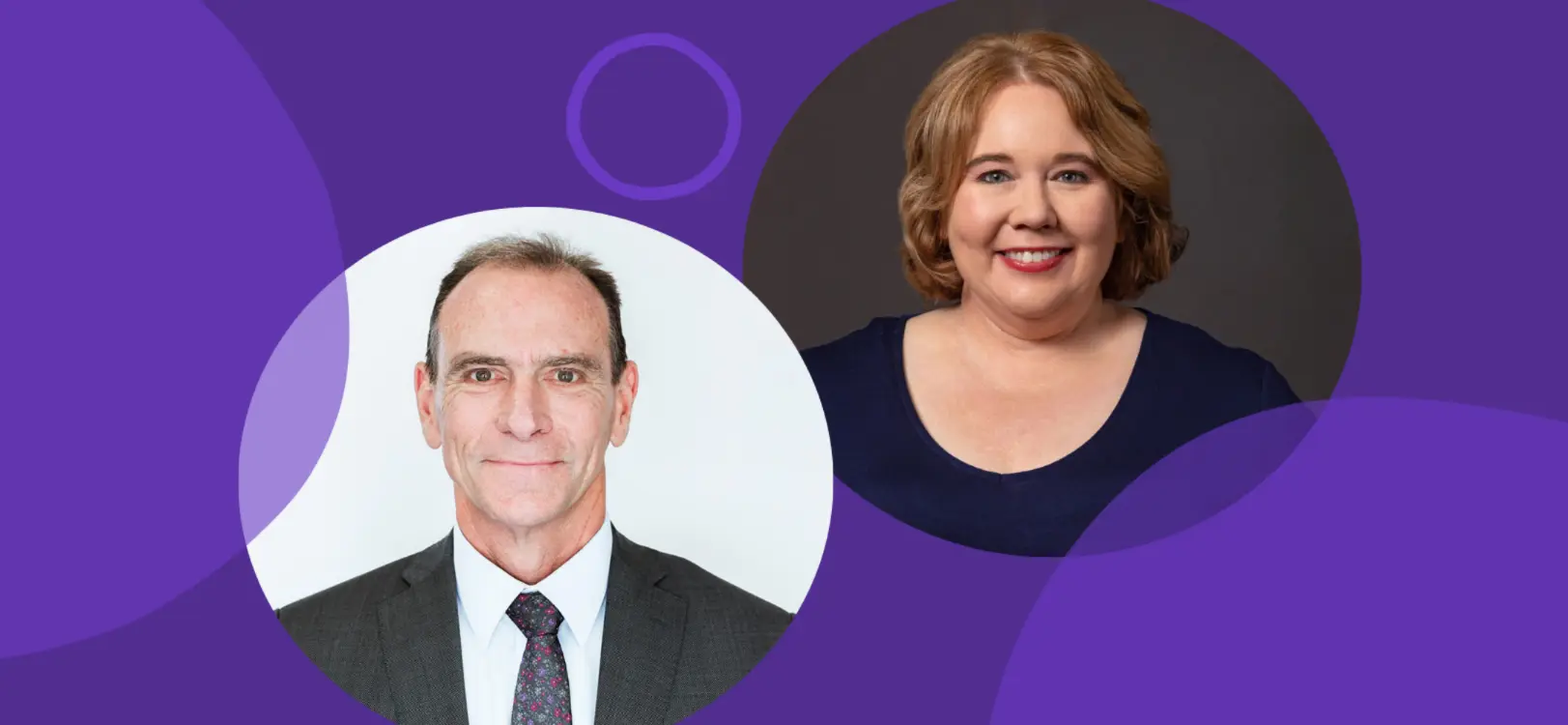
University of Newcastle Associate Professor Heather Lee, from HMRI’s Precision Medicine Research Program is leading research on Acute Myeloid Leukaemia (AML) and has seen firsthand the value of working closely with patient advocates. One of those advocates is Maitland-based cancer survivor, Sarah Lukeman, whose journey with AML has become a powerful asset to the research community.
In 2006, Sarah was diagnosed with a rare form of AML. At the time, treatment options were limited, but she was fortunate to join a clinical trial that used a combination of arsenic trioxide and high-dose vitamin A. Today, that treatment is the standard of care for her subtype of AML.
“I went into remission after three months,” Sarah recalls. “On a molecular level, I’ve been cured.”
But the journey wasn’t easy. Over two-and-a-half years of treatment, Sarah endured 13 bone marrow biopsies, nausea, muscle wastage and debilitating fatigue.
“I used to joke that I felt like Swiss cheese” she says.
“My daughters were four and six at the time. I thought life would go back to normal after the first six months, but it didn’t. I’d take the kids to school, do the shopping, put the cold things in the fridge, and then go to bed for hours before picking them up again.”
AML is a rare disease, with around 1,000 Australians diagnosed each year. For researchers like Associate Professor Lee, understanding how AML affects patients outside of clinical metrics is crucial, and that’s where Sarah’s advocacy has had a real impact.
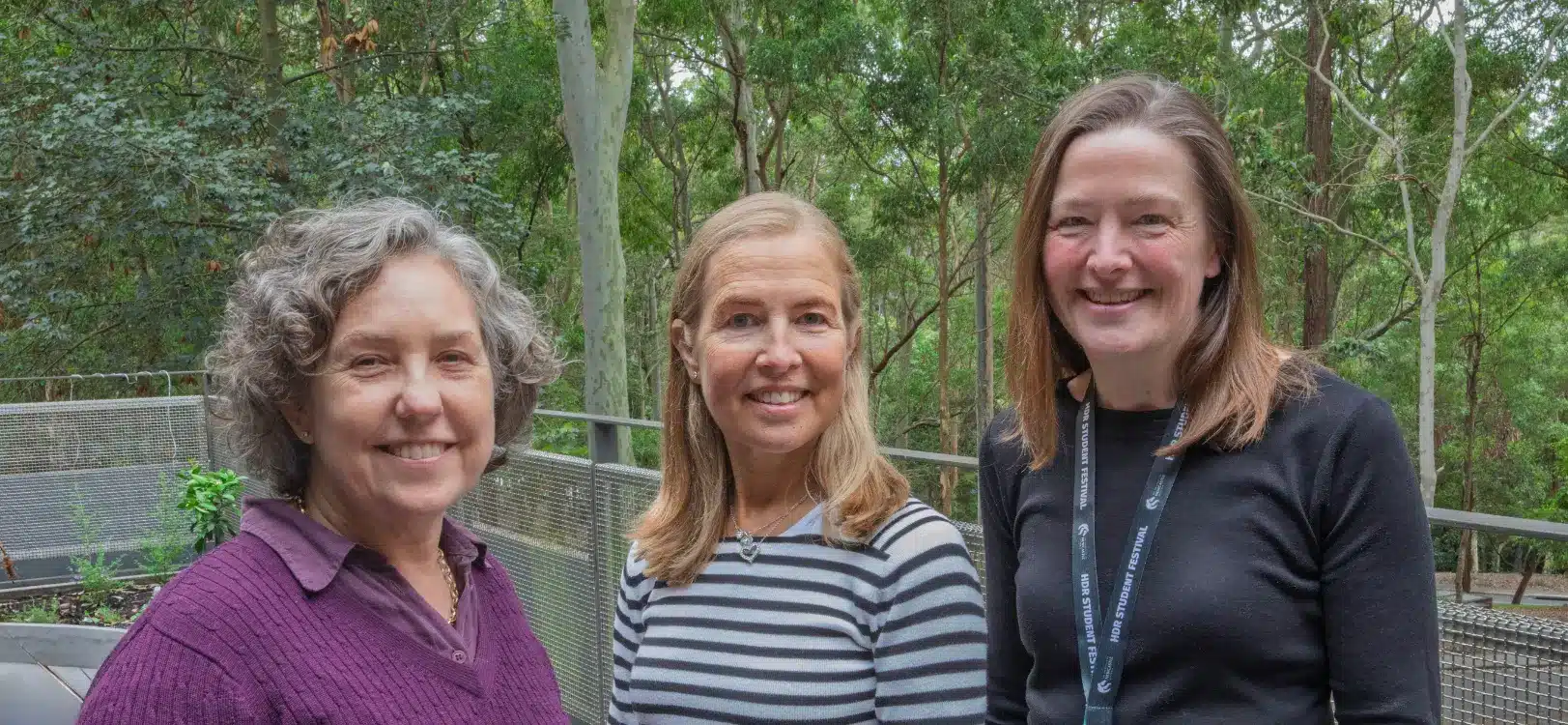
Sarah didn’t know what patient advocacy was until 2014. Now, she calls it her life’s calling.
After completing Cancer Council NSW’s Advocacy and Consumer Involvement in Research training, she began working more closely with researchers in 2016. Nine years later, she not only continues her work with advocacy groups but also trains researchers and consumers to collaborate effectively.
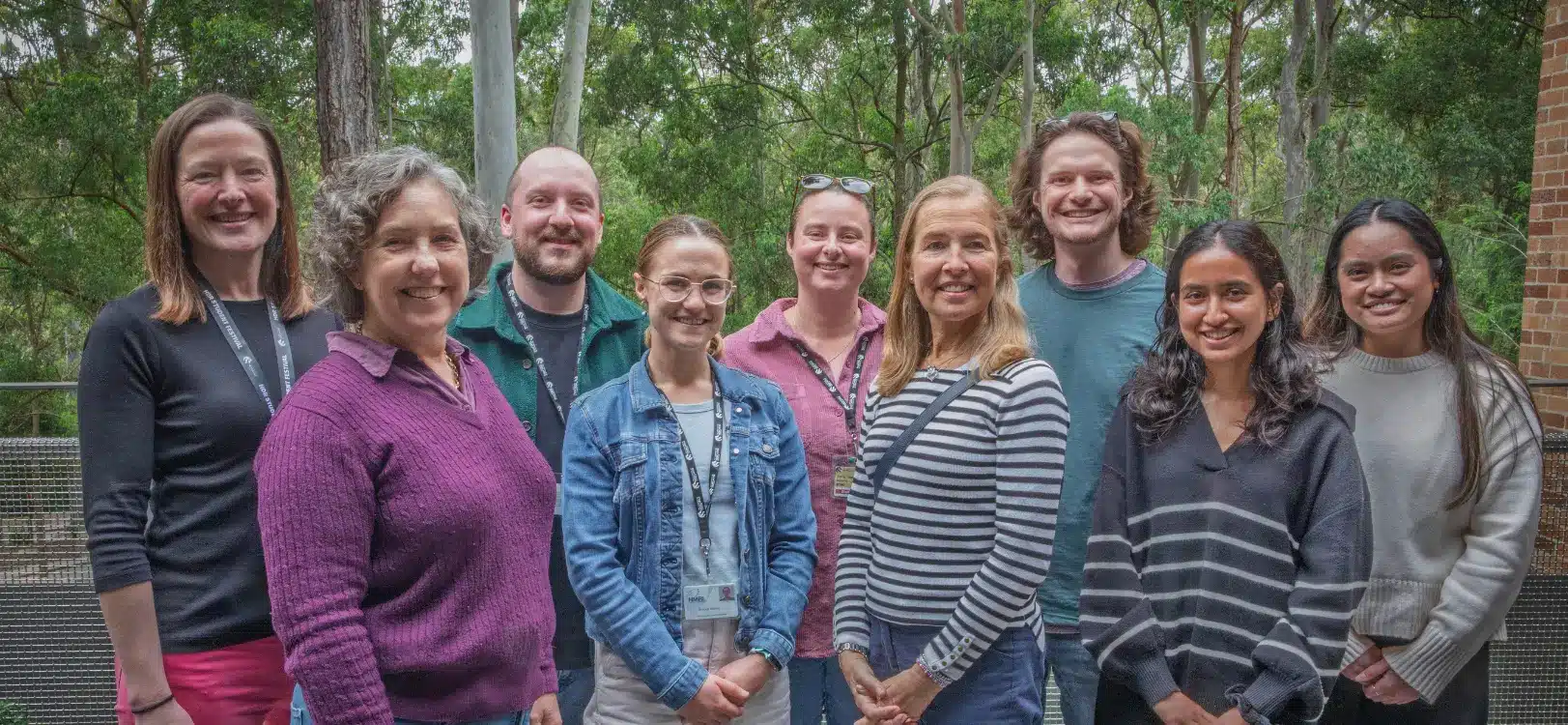
She is now an integral member of Associate Professor Lee’s team, helping to ensure that the patient’s perspective is embedded at every stage of the research process.
“Advocacy allows me to take a difficult experience and use it to improve things for others,” says Sarah. “I have the great privilege of having survived, and the education and the ability to share my story and to do something with it. Not everybody is able to do that”.
For Associate Professor Lee and her team, working with patient advocates like Sarah brings more than just feedback, it brings purpose.
“Sarah helps us understand the human side of AML,” says Associate Professor Lee. “Her insights make our research stronger, more targeted, and more compassionate.”
Becoming a patient advocate (or consumer representative) is a powerful way to use your lived experience with a disease or health issue to influence and improve outcomes for others, now and for generations to come.
Whether you’re a patient, carer, friend, or family member with lived or living experience of a specific health area, your voice can help ensure that health services are more responsive, inclusive, and person-centred.
Newcastle-based, NSW Regional Health Partners is one of ten Research Translation Centres across Australia who collaborate to develop and implement improvements in health service delivery and population health to ensure better health outcomes for all Australians.
NSW Regional Health Partners advocates strongly for the involvement of consumers and community members in health research. If you wish to express your interest in becoming a patient advocates/consumer representative in health research, you can find out more via their Consumer Connect platform, which links individuals with lived experiences to health and medical projects, research and health services. Find out more here