

Background
University of Newcastle researcher Professor Vanessa Murphy from the HMRI Asthma and Breathing research program leads a world-class research program on asthma in pregnancy and early life.
Professor Murphy’s research career has focused on finding ways to reduce the impact of asthma on pregnant women and their babies.
Professor Murphy says, “Asthma is associated with adverse perinatal outcomes including preterm birth, low birth weight, neonatal hospitalisation, congenital malformations, and gestational diabetes.
“Asthma attacks occur frequently in pregnancy, increase the risk of poor pregnancy outcomes, and are associated with key maternal risk factors, including obesity, smoking, depression,” she says.
Challenge
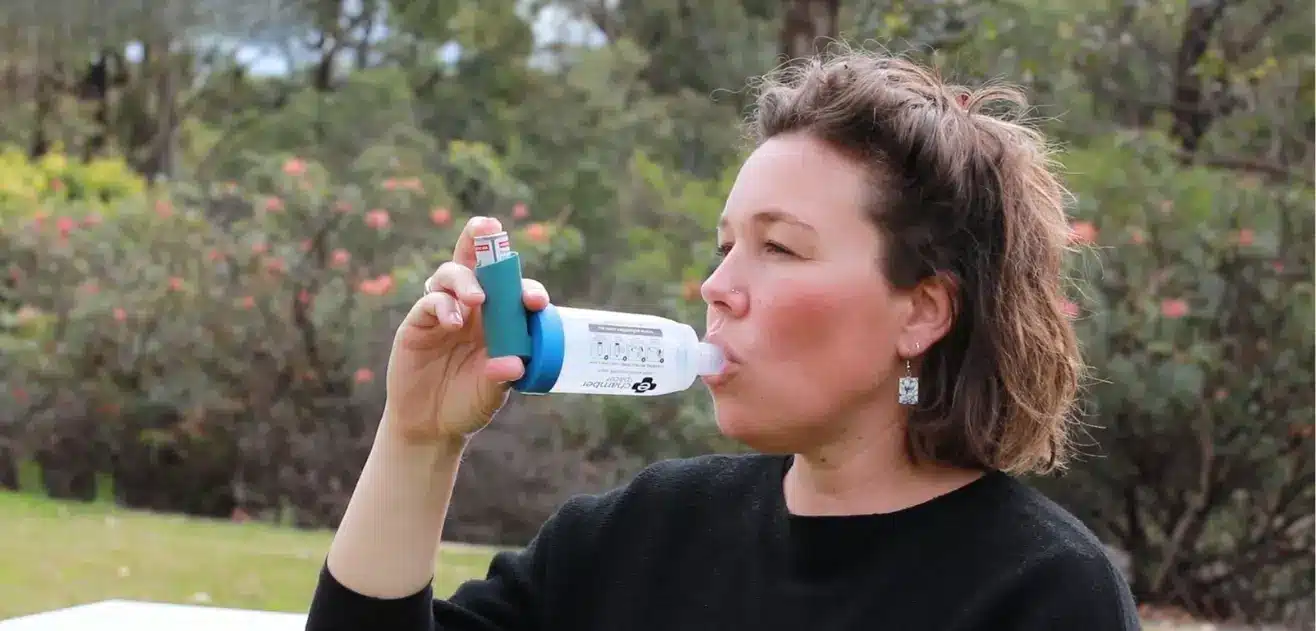
- Asthma is the most common chronic disease in pregnancy, affecting 13 per cent of Australian pregnancies.
- About half of Australian women with asthma find their asthma gets a bit worse during pregnancy, often between 17 and 36 weeks gestation.
- It is safer to continue with your prescribed asthma medications than to risk having an exacerbation of symptoms during pregnancy.
Solutions
Professor Murphy led the largest trial of an asthma management intervention in pregnancy – the Breathing for Life Trial – and followed up the respiratory and neurodevelopmental progress of the babies from this group.
Her 20+ years of research underpinned the development of the Asthma in Pregnancy Toolkit, a world-first online source of evidence-based resources to support decision making by health professionals and women seeking to improve their asthma management skills.
“We worked with over 50 experts from around the world and created the Asthma in Pregnancy Toolkit to bring all the evidence-based information together in one place,” says Professor Murphy.
“The toolkit is an easily accessed, accurate reference tool for health professionals involved in pregnancy care, including GPs, midwives and obstetricians. There are also resources available for families.”
Impact
Since the launch of the Asthma in Pregnancy Toolkit, over 500 women have been provided with written asthma management plans, 268 women have experience clinically important improvements in controlling their asthma, eighteen midwives and obstetricians have updated their asthma management training and the Asthma in Pregnancy website has received 100,000 page views in 147 countries.
During 2023 Professor Murphy’s team delivered an asthma health promotion program in the ACT with funding from the ACT Healthy Canberra grants scheme. Workshops on asthma management and pregnancy were presented to over 270 ACT health professionals and students including GPs, pharmacists and midwives. Survey analyses by the team indicated that knowledge and confidence around asthma management in pregnancy was greatly improved by workshop attendance, with almost all attendees likely to use the Toolkit in future practice, and recommend it to women with asthma.
Next steps
Professor Murphy says, “I want to look at more treatable traits. We have a new two-year study launching where we will recruit 750 pregnant women across ten sites, including John Hunter Hospital, to look at the impact of co-morbidities like reflux, vitamin D insufficiency, hyperemesis, gestational diabetes and gestational hypertension. We want to look beyond lung inflammation to find out what impact these other issues are having on a woman’s asthma.

“Once we know this, we will launch a small pilot trial to treat three to five of these traits to see if this improves asthma outcomes in pregnancy and ultimately inform clinical practice.
“One-third of the women coming in for our studies have uncontrolled asthma and 60 per cent of them are not using preventer medication. We have a long way to go in improving how asthma is managed during pregnancy,” she says.
See the Asthma in Pregnancy Toolkit here.