

Health professionals from across the Hunter New England region marked World Diabetes Day (November 14) with an education event, focused on tackling one of the region’s most significant and growing health challenges: type 2 diabetes.
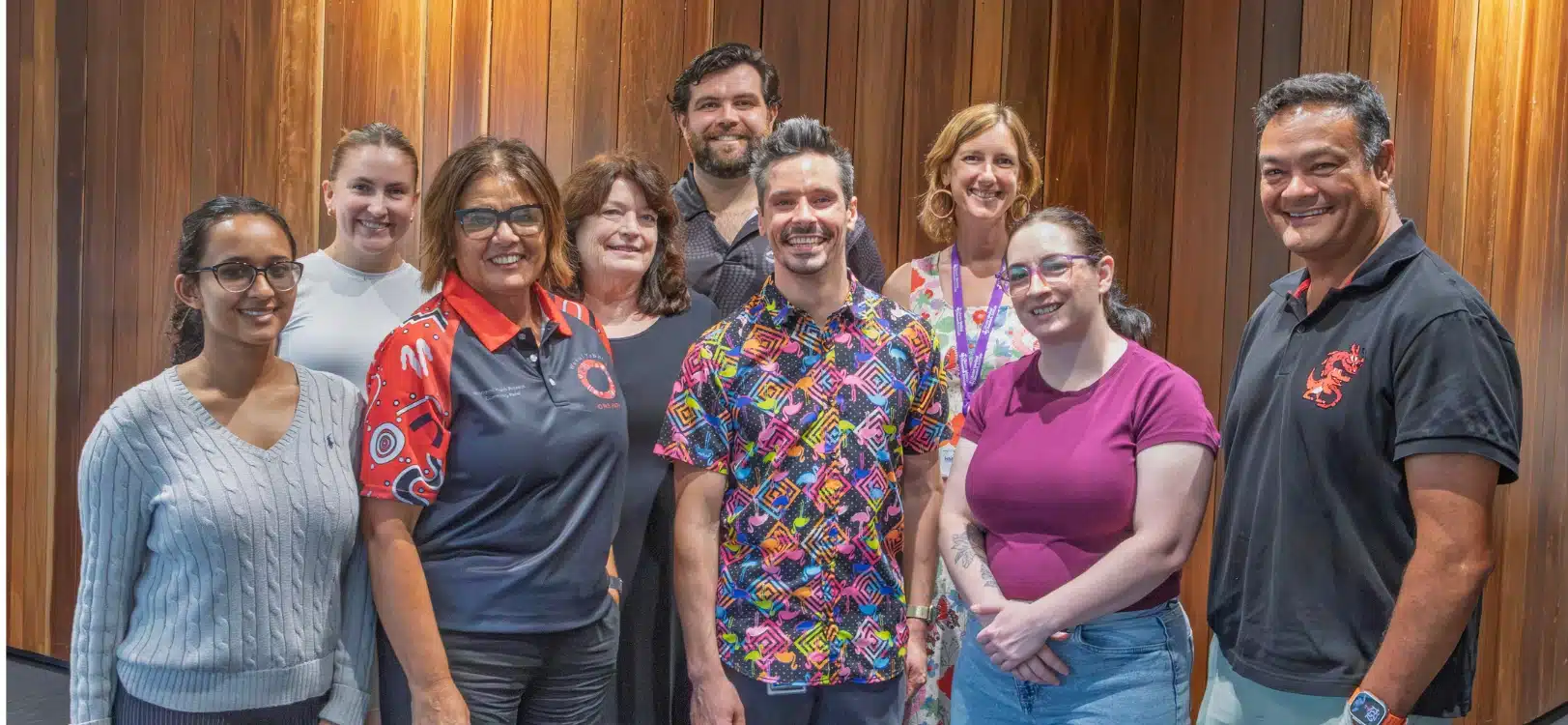
Hosted by the Diabetes Alliance Program Plus (DAP+), the workshop brought together dietitians, nurses and allied health practitioners to build capability in diabetes management and care. The event forms part of a broader effort led by Hunter New England Local Health District, University of Newcastle, Primary Health Network and HMRI researchers to address the increasing burden of diabetes in the community.
Type 2 diabetes now affects an estimated 90,000 in the Hunter New England, or one in eight people. Even more concerning is the unknown number in the community believed to be living with the condition without a diagnosis. The growing prevalence is closely linked to increasing rates of obesity, with the condition disproportionately affecting low socio-economic, and First Nations peoples.

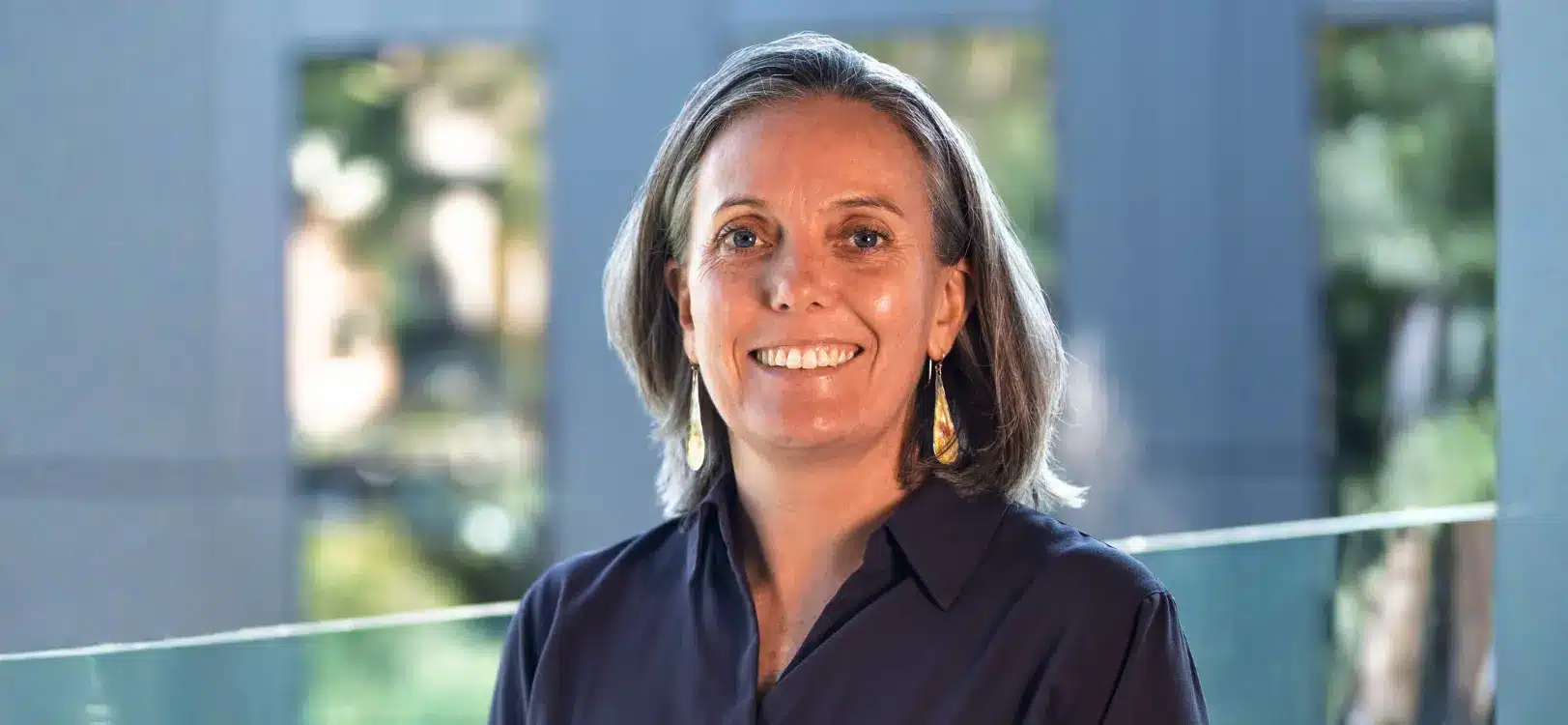
DAP+ clinical lead Professor Sham Acharya of the University of Newcastle and HMRI’s Food & Nutrition Research Program said the region is facing a challenge that demands coordinated and sustained action.
“Type 2 diabetes is contributing to hospitalisations and heavy costs for families, it’s a significant health issue in the region,” Professor Acharya said. “We also need to expand access to high-quality care in the bush, not just in major centres.”
Each year, Type 2 diabetes contributes to more than a thousand hospitalisations across the local health district. Complications such as heart disease, kidney damage, blindness, poor mental health, and amputations also pose serious health challenges. In rural and remote communities, limited access to specialised care can further compound these issues.
The DAP+ workshop was designed to address these gaps by enhancing the skills of the clinicians who provide front-line support. The sessions covered insulin and preventative medications, nutrition, obesity and weight stigma, with demonstrations of new technologies that help clinicians monitor and manage diabetes more effectively. There was also an Aboriginal bush tucker session led by Bahtabah Local Aboriginal Land Council.
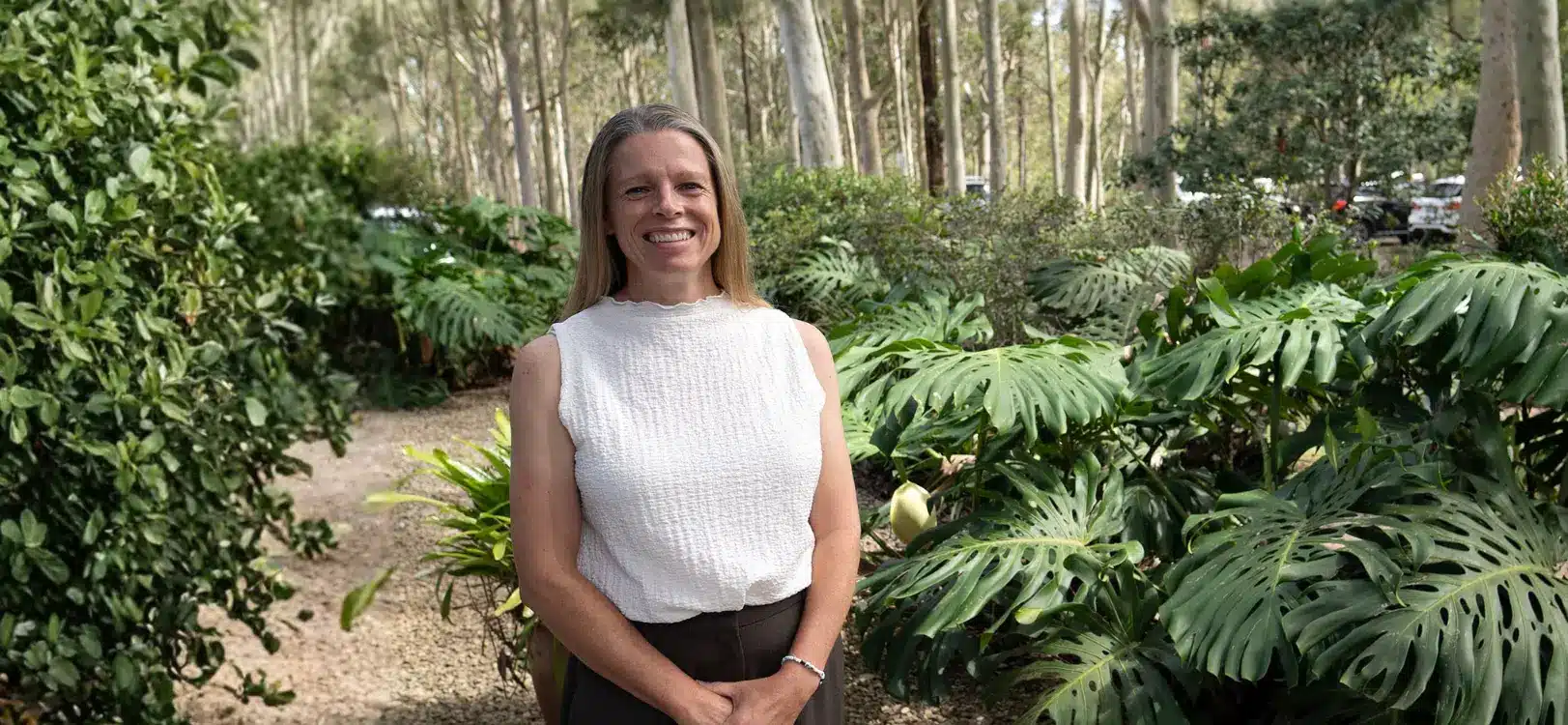
Nutrition was a key theme of the day. Clare Collins, Laureate Professor of Nutrition and Dietetics at the University of Newcastle and Co-Director of HMRI’s Food & Nutrition Research Program, shared insights into the expanding role of digital tools in supporting healthy eating. Her team is developing ways to make evidence-based nutrition assessments easier to access through telehealth.
“Technology gives us an opportunity to reach people who can’t easily or regularly access a dietition,” Professor Collins said. “We want to make practical nutrition advice available to anyone who needs it, regardless of where they live or what resources they have.”
She highlighted ongoing work linked to the No Money No Time website, which offers easy recipes and evidence-based guidance for improving diet quality on a budget.
Professor Acharya noted that while lifestyle factors such as nutrition, physical activity and weight management remain central to diabetes prevention, new medications developed for weight-loss are also transforming treatment options – although cost and availability remain barriers for many.
“These new medications have enormous potential to reduce the number of people progressing from pre-diabetes to diabetes,” he said. “But these therapies need to be delivered appropriately.”
As World Diabetes Day draws attention to the global impact of the disease, the DAP+ event underscored the critical role of local collaboration in improving health outcomes. By equipping clinicians with up-to-date knowledge and harnessing the latest technology, HMRI researchers and partners are working to reduce the toll of diabetes in the community.
For people living with diabetes or worried they may be at risk, Professor Acharya advises regular check-ups, a focus on nutrition and physical activity, and seeking early guidance from a GP or health professional.
“Early support can change the course of someone’s health,” he said. “Our goal is to make sure that support is available when and where people need it.”