ASMR taps into the brain’s caregiving and reward systems. Soft sounds and gentle movements activate brain regions linked to comfort, attention, and “feel-good” dopamine release.
ASMR can reduce stress and improve mood. Research shows it can lower heart rate, calm the brain, and help relieve stress, anxiety, and sleep issues.
ASMR is triggered by specific sensory cues. Common triggers include whispering, tapping, slow movements, and personal-care roleplays that mimic soothing, nurturing behaviours.
Have you ever felt a gentle tingling sensation on your scalp or down your spine when listening to someone whisper softly, tap a keyboard, or rustle crunchy leaves in just the right way? That experience is known as ASMR (Autonomous Sensory Meridian Response).
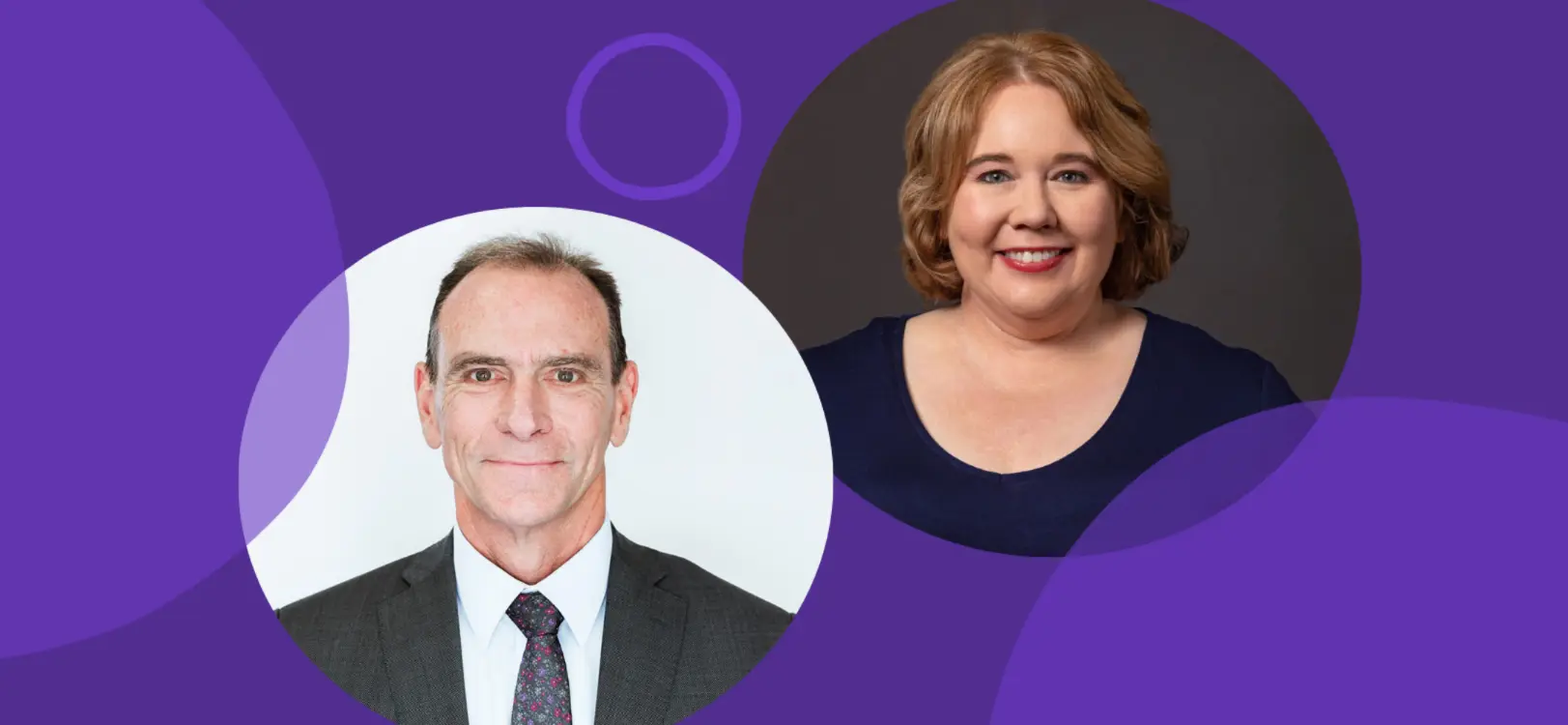
More than just a quirky TikTok trend, ASMR is a fascinating brain response that can trigger deep relaxation, reduce stress, and even improve mood. We spoke with University of Newcastle researcher Dr Anna Behler and Dr Michelle Newby from HMRI’s Brain Neuromodulation Research Program to explore what ASMR is, why it happens, and the science behind its benefits.
So what is ASMR and why does it happen?
ASMR is typically described as a pleasant, involuntary tingling sensation that starts on the scalp or back of the neck and can spread down the spine and into other body regions.
Dr Newby, who is a registered Occupational Therapist, says that alongside tingles people often experience deep relaxation, calmness, and sometimes sleepiness when ASMR is triggered.
“The sensation has a distinctive “wave-like” or “static” quality and can last several seconds to minutes,” Dr Newby says.
Dr Behler, a neuroscientist, says that ASMR works by engaging different parts of the brain. “The back and sides of the brain processes the close-up movements and role-play actions and sounds, while the frontal regions help focus attention and give meaning to what’s being seen and heard”, she says. Importantly, the brain’s reward system also becomes active, and dopamine is released. Dopamine is the “feel good” hormone that makes experiences feel pleasurable, calming and rewarding.
These days, ASMR is often triggered by custom-made videos on YouTube and social media, choreographed to spark this reaction.
Current theories in the ASMR research space suggest these videos are tapping into ancient mechanisms for affiliative behaviour and physiological regulation.
Dr Newby says “In infancy, caregivers regulate a child’s stress and bodily state through multimodal cues: gentle touch, soft vocal tones, and affectionate facial expressions,”
Over time, the brain integrates these tactile, auditory, and visual inputs into these different areas of the brain, known as interoceptive hubs.
“ASMR triggers may simulate these early caregiving cues, activating similar brain pathways and producing feelings of safety, reward, and relaxation, sometimes accompanied by tingles.”
Dr Behler says that “when people listen to ASMR audio on its own, the auditory cortex becomes active, along with the insula, a region of the brain linked to empathy, emotions and awareness of how the body feels inside. This explains why sound-only ASMR can still feel personal and emotionally charged for some people.”
What are the benefits of ASMR?
In great news for ASMR lovers, there are some benefits to experiencing this sensation.
Dr Behler says that research shows ASMR boost brainwaves and is linked to relaxation. “It quiets down high-frequency activity, so the brain pays less attention to outside distractions” she says.
Evidence shows that ASMR can:
Reduce heart rate and induce a calmer physiological state.
Improve mood and lower stress levels in the short term.
Provide subjective relief from anxiety, low mood, and insomnia for some people.
Importantly, these benefits aren’t limited to those who feel tingles, non-tingle responders may still experience relaxation and mood improvements. However, the evidence base is still developing, and benefits appear to vary between individuals.
What can trigger ASMR?
ASMR can be triggered by a wide range of gentle, sensory-rich experiences – often recreated in popular social media videos and podcasts.
The available research typically identifies four broad categories of ASMR triggers:
Vocal-auditory (Soft-spoken or whispered voices) Gentle, slow speech or whispering can help people feel calm and focused. These sounds are similar to the soothing tones often used in early nurturing and can activate the same parts of the brain linked with feeling safe and connected.
Non-vocal-auditory (Tapping, brushing, gentle rustling) Quiet, repetitive sounds like tapping, soft brushing or fabric rustling can be deeply relaxing. They often mirror the background sounds of caring activities and, when combined with visual cues, can increase comfort and relaxation.
Visual (Slow, deliberate hand movements, close attention) Watching someone move slowly and with purpose, such as folding a towel or arranging objects, can be surprisingly calming. These types of movements signal safety and care, much like watching a caregiver’s attentive actions.
Tactile/Interpersonal care (Pretend haircuts, medical roleplays, make-up application) Roleplays that mimic personal care can create the feeling of being cared for, even without actual touch. This type of simulation can prompt the body to relax and, for some people, bring on the tingling sensation linked to ASMR.
If you haven’t already (or if you loved it so much you want to go back for more) check out our attempt at science-based ASMR in the HMRI lab.
Tags
ASMR, Dr Anna Behler, Dr Michelle Newby, hunter medical research institute