

From next year, a new needle-free flu vaccine will be offered to children aged two to under five in New South Wales at no cost. The nasal spray, known as FluMist, is part of an effort to increase vaccination rates in young children ahead of the 2026 flu season. Delivered through general practitioners (GPs), the vaccine is designed to protect young children from severe influenza without the stress of a needle.
The announcement was made this week by the NSW Government, which confirmed the program will be in place before winter next year. Health authorities hope that offering a needle-free alternative will make the vaccination experience easier on both kids and their parents, increasing uptake.
Influenza vaccination rates among children under five have historically been low, despite them being at higher risk of severe illness. More than 3,000 children under the age of five have presented to emergency departments in NSW with influenza-like illness so far this year, and over 600 of those were hospitalised.

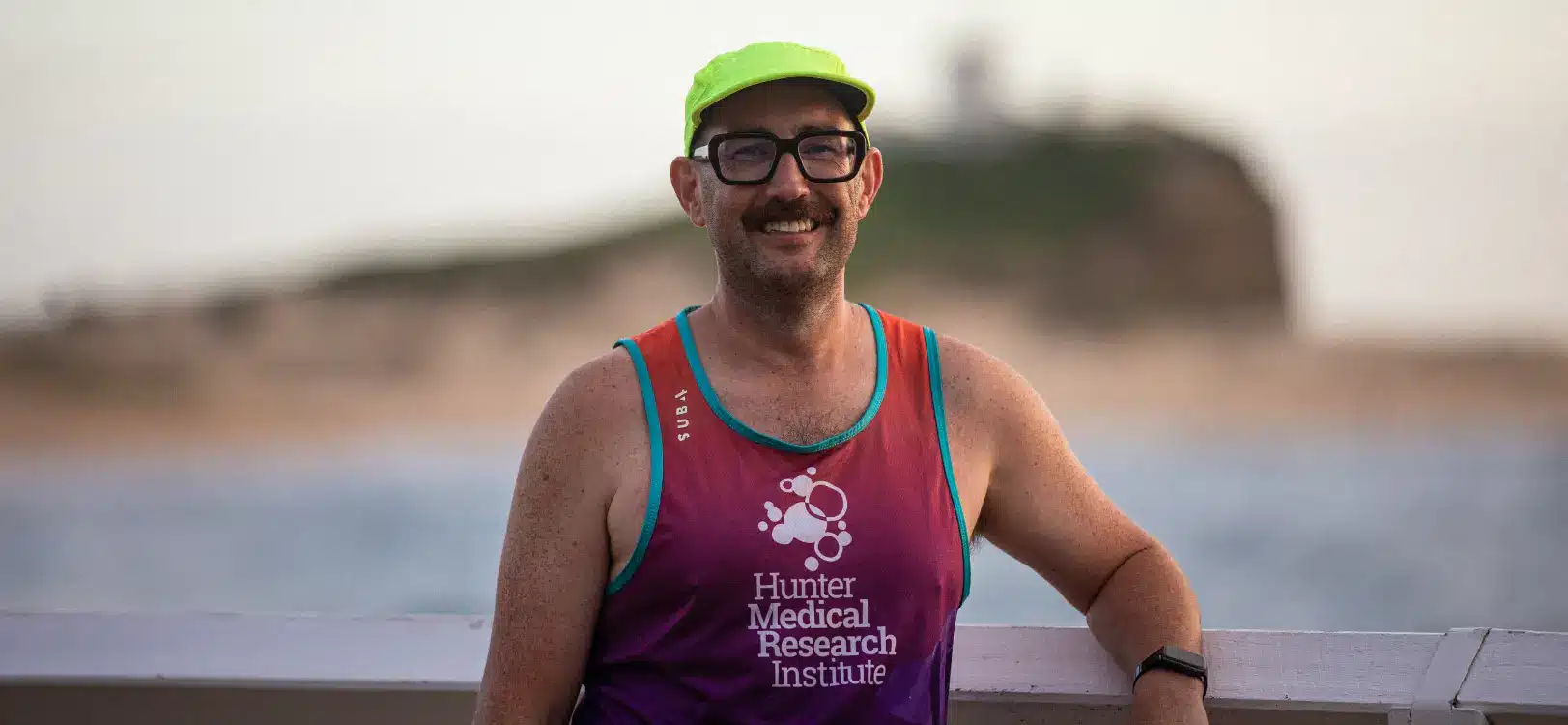
University of Newcastle Professor Nathan Bartlett, head of the Viral Immunology and Respiratory Disease Group at the Hunter Medical Research Institute, welcomed the announcement and said the nasal spray is particularly well-suited to young children because of the way their immune systems respond.
“I understand how hard it can be for parents when it comes to needle-based vaccines. It’s not easy watching your child go through something that causes distress, even if it’s brief,” Professor Bartlett said.
“Respiratory viruses like the flu enter the body and begin infection in the nasal passages and throat, which makes it an ideal site to build immunity. In children especially, the nasal passages are full of immune activity, which means delivering a vaccine there can be highly effective.”
FluMist has been used in the Northern Hemisphere for many years but has not previously been included in Australia’s national vaccination strategy. It is currently undergoing regulatory approval ahead of next year’s rollout.
Unlike traditional injected vaccines that contain inactivated virus or viral proteins, FluMist is a live attenuated vaccine. That means it uses a weakened version of the virus, designed to prompt an immune response without causing illness.
“This nasal vaccine behaves a lot like a natural infection, but without making someone seriously unwell,” Professor Bartlett said. “Because it follows the same pathway that the real virus would use, it gives the immune system a strong and targeted signal to respond right where the body needs protection most.”
While it is possible that children may experience mild side effects such as a runny nose or sore throat, Professor Bartlett said these are generally short-lived and similar in severity to the effects of injected vaccines.
“Some mild symptoms like a scratchy throat or a bit of congestion can occur, but they don’t last long,” he said. “That’s just the immune system doing its job. It’s a small price to pay for stronger protection in the place where respiratory viruses typically take hold.”
Despite the benefits, the new nasal vaccine is not expected to replace injections entirely. Professor Bartlett said while it is ideal for children, traditional vaccines are still preferred for adults.
“For younger kids, this method makes sense because of how active their immune systems are in the airways,” he said. “But for older people, injected vaccines tend to produce a stronger overall response. So, moving forward needle-based options will still play an important role, especially for adults.”
Health authorities hope the new approach improves access and eases the burden on the health system during the winter peak. NSW Minister for Health Ryan Park said the rollout is part of a broader strategy to reduce preventable illness in the community and support overstretched hospital services.
“This new program will provide an accessible and convenient needle-free option for children and improve vaccination uptake ahead of the 2026 winter flu season,” Mr Park said.
“We hope the offering of a needle-free alternative will support parents’ decisions to protect their children against this serious disease.”
NSW Chief Health Officer Dr Kerry Chant said the initiative has the potential to prevent serious illness and reduce pressure on the hospital system during flu season.
“Influenza is a serious illness that can cause pneumonia, make chronic underlying medical conditions like diabetes, lung and heart disease much worse requiring hospital admission, and cause death,” Dr Chant said.
“Even previously healthy children can experience severe complications from influenza so it is great that we will be able to offer a new method of vaccination which can help support healthier communities during the winter months.”
Pending final regulatory approval, the FluMist nasal vaccine is expected to be available through GPs from early next year. It may also become available on the private market for other age groups in the future.