
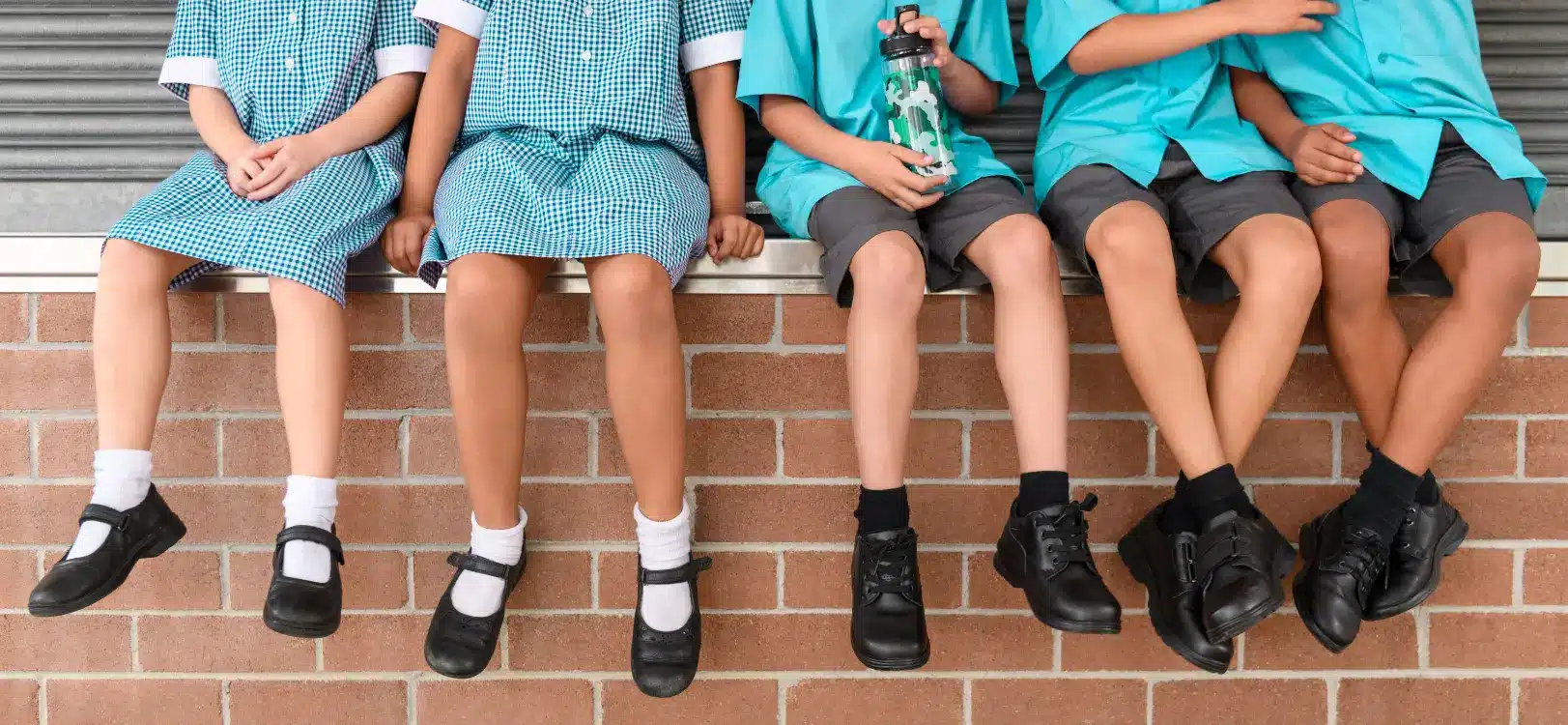
As the school holidays come to an end and children across NSW head back to the classroom on Monday, many families are shifting back into school routines. Early starts, packed lunches, screen limits and bedtimes can all feel like a big adjustment after a long break.
We asked HMRI researchers to share their practical, research-backed advice for parents to help their kids get back to school ready.
What children eat during the school day plays an important role in their energy and concentration. Dr Jannah Jones from the University of Newcastle and HMRI’s Population Health research program says healthy lunchboxes don’t need to be complex.

“Packing a lunchbox doesn’t need to be overly complicated or costly. A helpful approach is to include a mix of everyday foods that your child enjoys and that work for your family.”
“One to two snacks alongside fruit or vegetables for recess, and a simple lunch such as a sandwich, wrap, salad, pasta or a rice-based dish. Water or plain milk are recommended drink options,” Dr Jones suggests.
“A healthy lunchbox is one that offers a variety of everyday foods, reflects cultural and family food practices, and considers children’s preferences and appetites.”
Eating well has benefits for children’s learning and overall wellbeing, while also supporting growth. “Nutritious food options help provide children with energy for learning, play and participation, and can support concentration and focus at school.”
If you’re looking for more ideas, Dr Jones recommends the evidence-based, healthy lunchbox program SWAP IT.
During the holidays, it’s understandable that screen use may increase. Clinical Psychologist, Dr Tanya Hanstock is an Associate Professor at the University of Newcastle and an HMRI research affiliate. She says many families need time to reset their habits.

“Often both parents and children need to readjust screen time and sleep routines with the back to school and work transition.”
Australian Government guidelines outline maximum daily screen time based on age.
Across a 24-hour period, it is recommended:
Professor Hanstock suggests involving children in planning their screen use and being clear about limits.
“I find explaining to the child what the time limit is and why is helpful” she says. “Asking if they want to use all their screen time up in the morning or afternoon or to have it spread out can help them be involved with the planning of screen time. Having an alarm can help the children and parents see when their time is finished, and keeping track of their screen time is required.”
Screen habits are also linked to how well children sleep and focus, which are important for school. “There is a lot of research that indicates increased screen use, especially before bedtime, is associated with difficulties in concentration and issues with sleep in children.”
Managing screen time is a common issue for parents at the moment, and Professor Hanstock recommends making use of helpful online resources including the NSW Government website.
But when balanced, says screen time can still play a positive role, as it “can be helpful and educational. Watching screens together and interacting can also help with bonding time with your child.”
Sleep routines often shift during school holidays. Dr Madeleine Hinwood from the University of Newcastle and HMRI’s Brain Health research program says for kids and teenagers, sleep is especially important because their brains are still developing.

“Sleep is when the brain does a lot of its behind-the-scenes work tidying up and consolidating new things we’ve learned or memories we’ve laid down.”
It is recommended that primary school children get around nine to eleven hours of sleep each night, while teenagers need around eight to ten.
But Dr Hinwood notes, “sleep isn’t just about hitting a perfect number every night, it’s more about the overall rhythm, and getting enough sleep across the week on average.”
“From both a brain health and a parenting perspective, I think of sleep as a foundation of good health, as important as nutrition or exercise,” she says.
Small changes can help families transition back to school routines. Simple habits like a consistent bedtime, winding down from screens, eating well and having a predictable routine can make a big difference.