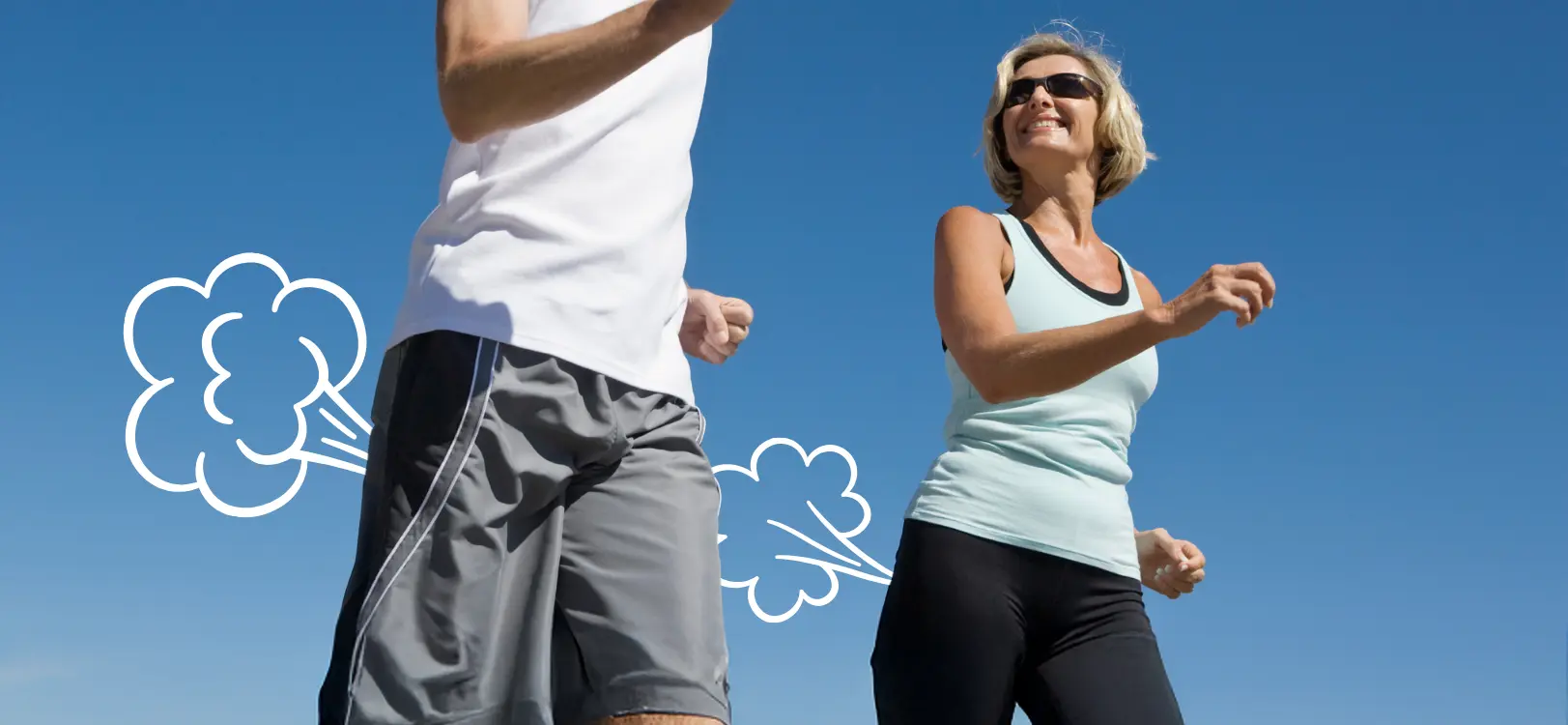
A social media trend with a cheeky name is putting a fresh spin on an age-old tradition, and health experts say it might actually be good for you.
Known as a ‘fart walk’, the practice involves going for a gentle stroll after a meal to support digestion and relieve bloating. While the term has gained popularity online for its humour, the underlying idea is far from new.
Dr Georgina Williams, a post-doctoral research dietitian at the University of Newcastle and a member of HMRI’s Immune Health research program, says cultures around the world have embraced post-meal movement for centuries.
“A ‘fart walk’ is a term recently popularised on social media to describe the practice of taking a gentle walk after eating to help kickstart digestion and relieve bloating or gas,” Dr Williams explains.
“While this term is new, cultures around the world have long embraced post-meal movement. In Chinese culture, this is known as sàn bù; in Ayurveda, the practice of shatapavali encourages walking 100 steps after a meal and in Italy, the evening passeggiata benefits both digestion and social connection.”
After eating, the body enters the ‘rest and digest’ phase, guided by the parasympathetic nervous system. Digestive enzymes begin breaking down food, and muscles in the gut move it along through a process called peristalsis.
“At the same time, the bacteria that live in our gut are digesting the components of food that our body does not use, primarily dietary fibres from fruits, vegetables, nuts and seeds,” says Dr Williams. “These bacteria produce gas which is what is released in a fart. While farting and some bloating are very normal aspects of digestion, in individuals with gastrointestinal conditions this can cause pain and discomfort.”
While there is little research specifically focused on fart walks, existing evidence supports the benefits of gentle post-meal movement, particularly for people experiencing constipation.
“In people with constipation, the movement of the gut muscles may be sluggish, leading to slower transit of stool,” Dr Williams says. “Gentle walking can help stimulate peristalsis and support more regular bowel movements.”
There is less evidence that walking after meals reduces other symptoms such as bloating, diarrhoea or abdominal pain, but for many, the practice can still be worthwhile.
Gentle movement also offers broader health benefits. Walking can lift mood, reduce stress and encourage social interaction, all of which can indirectly improve digestion. “This concept also offers a chance to connect with others, whether it’s coworkers, family, or friends, which has benefits for mental health,” says Dr Williams.
Short walks after meals may also help stabilise blood sugar levels. “Walking after meals has been shown to improve blood sugar levels immediately after eating, which may be helpful for people managing or at risk of Type 2 diabetes,” Dr Williams says. “However, there is little evidence that this improves overall insulin regulation.”
The good news is that intensity and duration are flexible. “Most of the research into post-eating movement suggests that gentle, rather than high-intensity movement is beneficial, meaning you don’t have to walk fast to get the benefits,” she says.
Timing appears to matter. “One study found benefits to glucose responses were greater when individuals went for a walk immediately post-meal as opposed to waiting 30 to 60 minutes,” Dr Williams explains. “It is likely that any movement is going to be better than none, so if someone has only five minutes to move after eating this is still encouraged.”
A fart walk may be especially helpful for people with Type 2 diabetes or prediabetes, as well as those who experience bloating or constipation after eating. For people with sedentary lifestyles, it offers a practical way to integrate gentle movement into daily routines. Dr Williams adds, “Individuals who experience discomfort or anxiety related to loud or smelly farts may find walking after meals helps alleviate symptoms in a discreet and manageable way.”
However, it might not be right for everyone. “Post-meal walking may be less suitable for people who experience loose stools following meals, particularly if symptoms are exacerbated by physical activity,” she says. In those cases, working with a care team to explore dietary or lifestyle strategies may help improve tolerance over time.