Professor Frances Kay
Institute Director and CEO

From the director:
Professor Frances Kay
Institute Director and CEO
Dear Friends and Supporters,
Spring is a season of renewal, but renewal is not the same as starting again. Across medical research, we are entering a period of significant change in how we work, how research is funded, how discoveries are translated into better health outcomes, and how emerging technologies like AI can enhance what our people are capable of.
We need to evolve because the world around us is evolving. Traditional funding models are becoming more competitive, requiring research organisations like HMRI to diversify how we support and sustain great science through philanthropy, partnerships, clinical trials, translation, commercial opportunities, and other new avenues. At the same time, we need to be more intentional about connecting research excellence with the health needs of the communities we serve.
This means building a more connected research ecosystem, where discovery, clinical care, data, translation and community insight work together to create meaningful impact. It requires us to ask not only whether our research is innovative, but also how it can improve lives in our community.
Yet amid this change, the fundamentals of curiosity, rigour, trust, and the pursuit of discovery remain constant. Most importantly, our community remains at the heart of what we do and your support, insights and advocacy will ensure our research responds to real needs and delivers lasting benefits, both for our region and beyond. Renewal doesn’t mean changing who we are. It means taking our core principles, from curiosity, evidence, discovery, to trust, and asking how we use it to more effectively meet today’s needs. Through every season of change, our community remains both our compass and our reason.
Pharmacist-led trial a win for women’s health
Women across NSW and the ACT are benefiting from new evidence showing that pharmacists can safely provide care for uncomplicated urinary tract infections (UTIs) and oral contraceptive resupply.
Led by the University of Newcastle and HMRI’s Population Health Research Program, the PATH-UTI and PATH-OC trials involved more than 19,000 consultations across more than 1,000 pharmacies in metropolitan, regional, and rural communities.
In the UTI trial, 79.4% of more than 17,000 women said their symptoms had completely resolved within seven days, while nine in ten reported being satisfied or very satisfied with the pharmacy service. Only 7.3% required referral to a GP or emergency department.
Almost 2,000 women had consultations for oral contraceptive resupply through community pharmacies as part of the second trial arm. Participants reported highly positive experiences and very low rates of side effects and adverse events.
HMRI played an important role in building the evidence, supporting secure data collection and management, and leading the economic evaluation. The research found pharmacist-led UTI care could potentially save the health system $2.2–$2.3 million each year.
The study highlighted the value of convenient, timely care, particularly for regional communities, while reinforcing the need for strong GP collaboration, continuity of care, and culturally appropriate services.
These findings will help shape future models of healthcare and support better access to care for women across our communities.
A community calendar full of impact
The Hunter New England has once again shown the incredible difference the community can make when people come together to support medical research.
From the dance floor to the golf course, the footy field and workplaces across the region, people have rallied behind HMRI’s mission to create the healthiest million people on the planet.
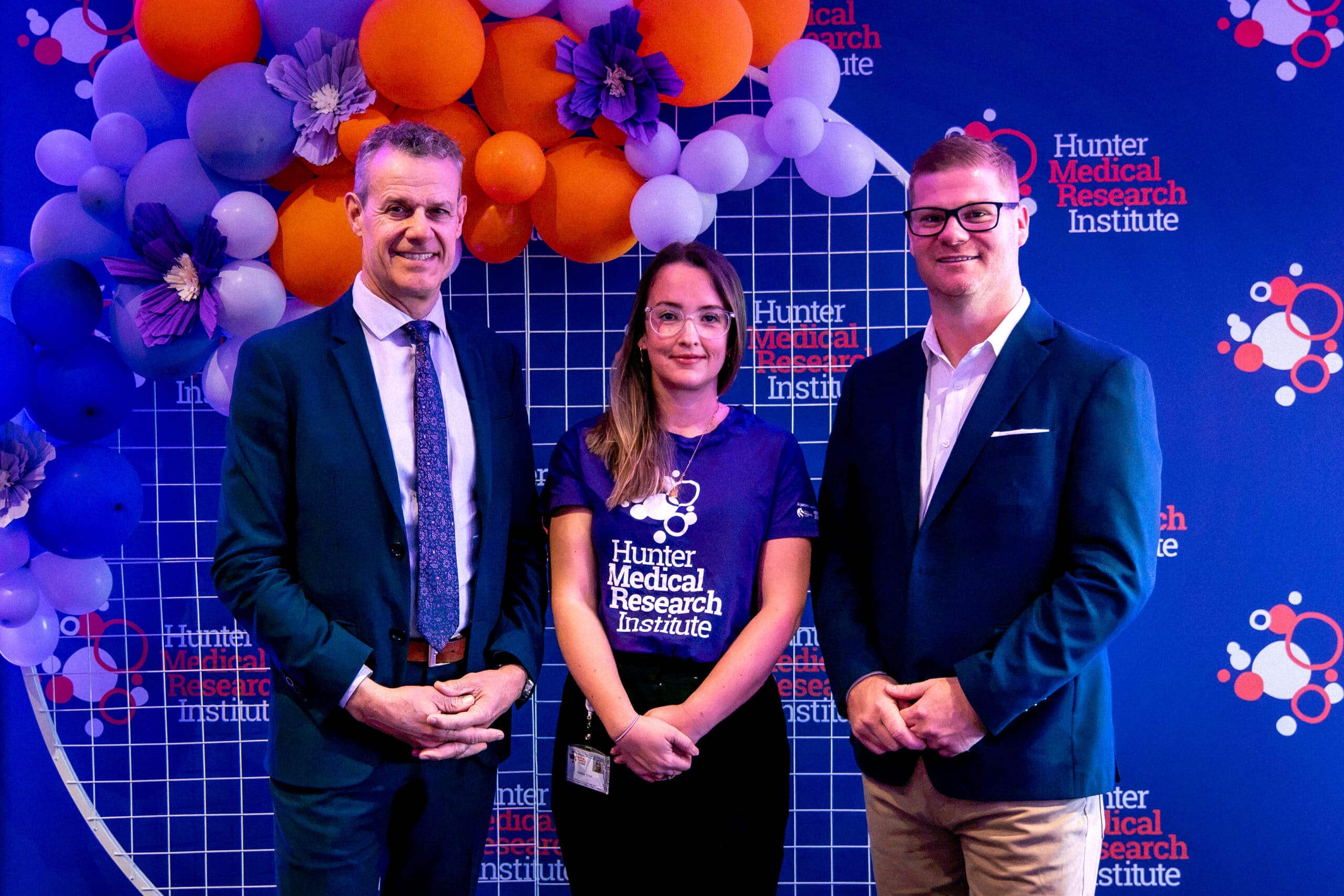
The 2026 HMRI Gala Ball raised an incredible $388,900 net for medical research, smashing last year’s record result. A standout moment was our first ever live Pledge for Hope, this year raising vital funds to support HMRI’s important work in dementia.
Especially moving was the generosity of Adjunct Professor Chris Piggott, who matched every pledge made on the night.
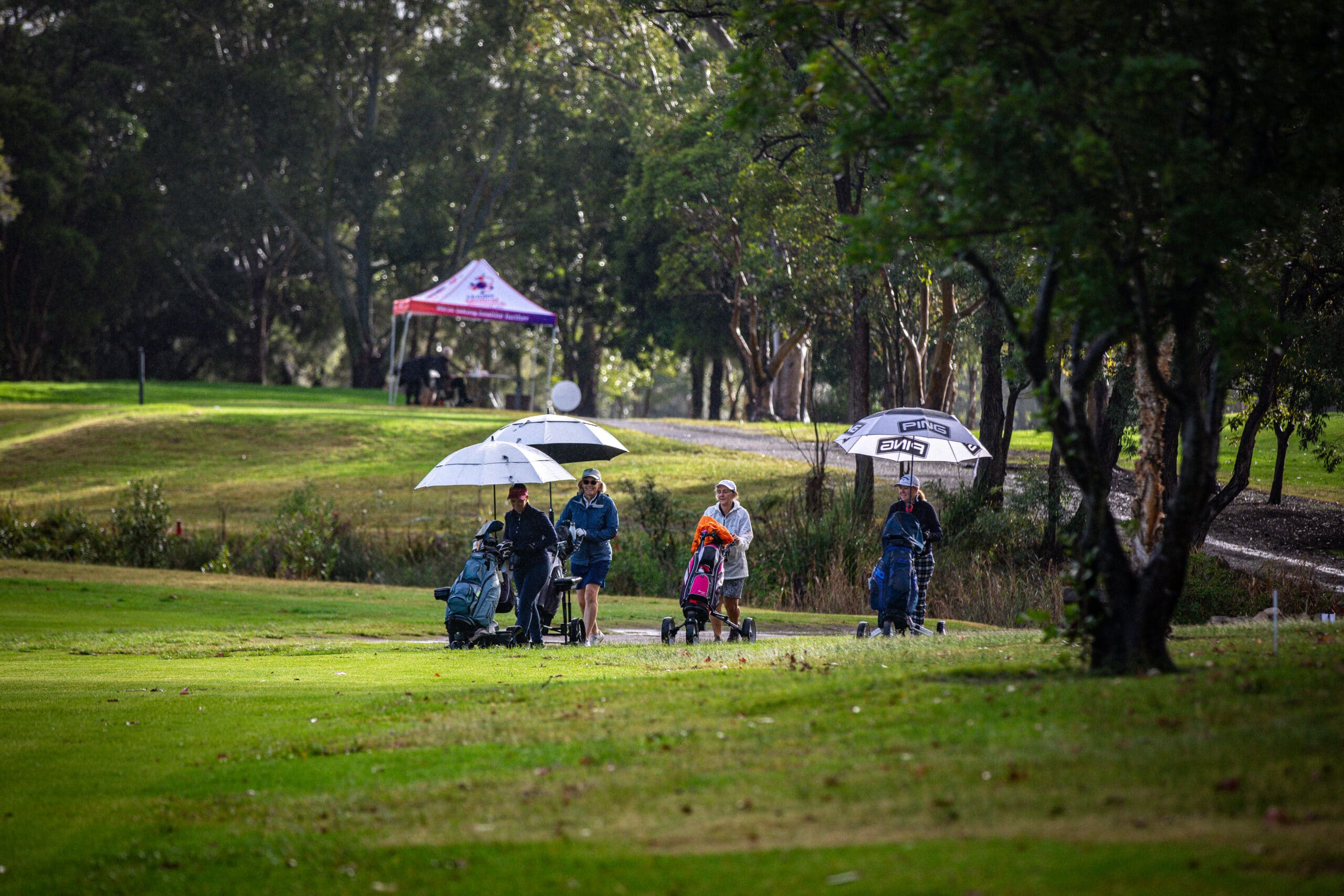
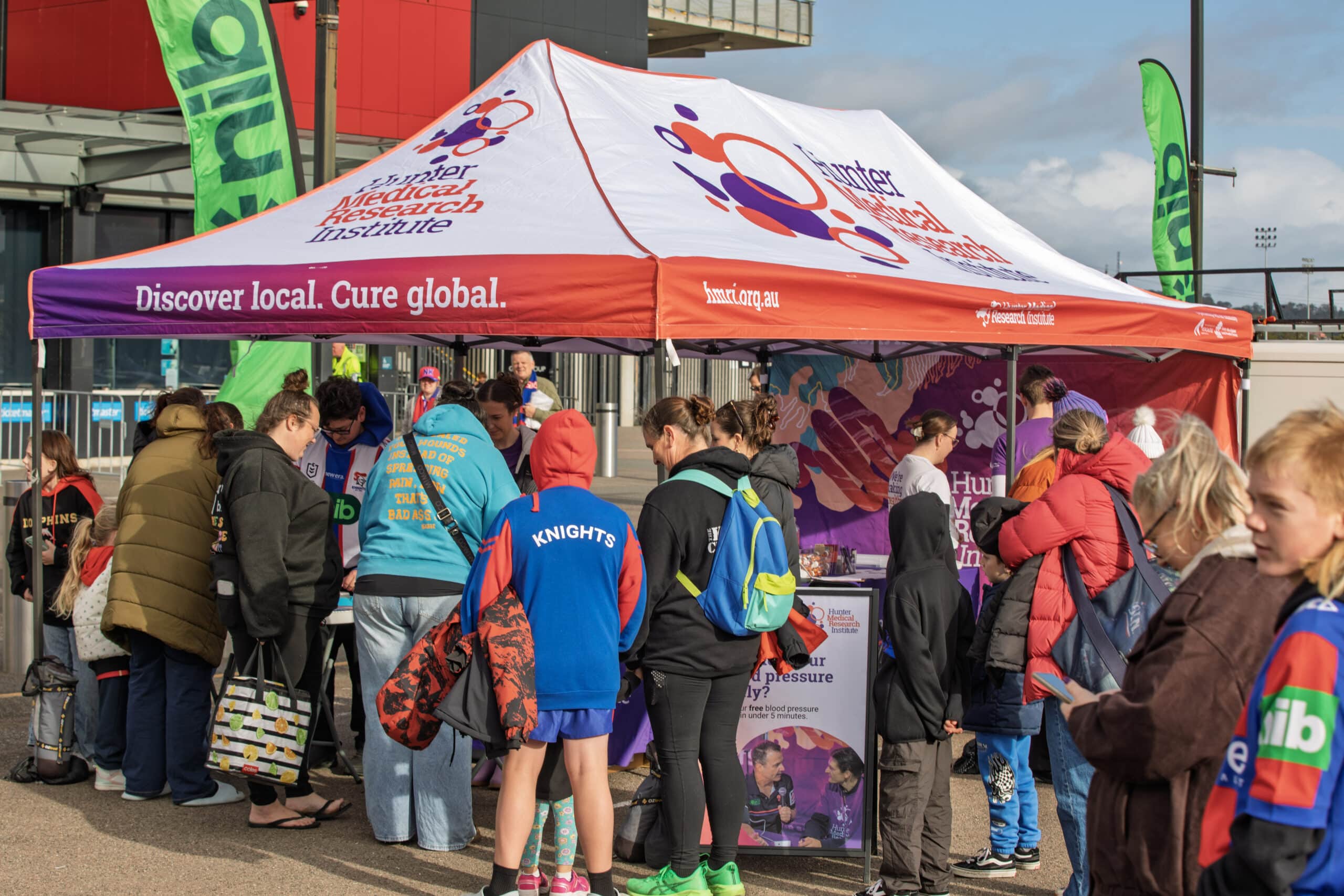
Golfers braved rain and wind at the HMRI Charity Golf Day sponsored by Helicopter Lifting Services, while Newcastle Knights fans helped raise $24,761 through the 50/50 Charity Raffle, with half the proceeds supporting HMRI.
Our community also embraced the inaugural Medical Research Giving Day, with workplaces, schools, sporting clubs and community groups donating or hosting Purple Morning Teas to raise awareness and $32,000 for women’s health research at HMRI.
Every ticket purchased, donation made, event attended and conversation started helped drive research that improves lives. Thank you to our community for continuing to stand behind HMRI and a cause that truly matters.
Banking on better cancer and lung care
Dr Geshani Jayasuriya and Dr Heather Murray have been named the 2026 Newcastle Permanent Innovator Fellowship recipients, each awarded $100,000 to help turn their medical research ideas into life-saving solutions.
Dr Jayasuriya, a Paediatric Respiratory Physician with HMRI’s Breathing and Lung Health Research Program is developing safer, radiation-free lung scans designed to better monitor airway disease in children and adults.
Dr Murray, a Postdoctoral Researcher with University of Newcastle and HMRI’s Precision Medicine and Health Research Program is working to match cancer treatments more precisely to individual patients and improve outcomes.
The Fellowships were awarded at the end of a six-week program delivered by HMRI in partnership with Newcastle Permanent. The initiative supports early to mid-career researchers to explore ways of progressing their research from the laboratory to make a practical difference to patients, families, and the wider community.

The six researchers who took part in this year’s program focused on some of the Hunter New England region’s biggest health challenges, including infant respiratory risk, childhood cancer, wound care, and genomics.
While there could only be two winners, the four other finalists each received $20,000 seed grants to continue developing their research. Professor Frances Kay said this year’s program showcased the emerging research talent in the region, and the value of investing in ideas with the potential to improve lives.
“Congratulations to our two Fellowship recipients and to all six finalists for the passion, dedication and innovation they have shown throughout the program,” Professor Kay said.
“Every breakthrough starts with an idea, but the journey from discovery to impact requires much more than a good idea alone.”
“The Newcastle Permanent Innovators Program helps build that bridge by giving emerging researchers the support, skills, and connections they need to move their work forward, into commercialisation, policy, practice, healthcare, and community, whatever their pathway to impact is.”
“Together, we are investing in the next generation of research leaders and helping ensure that promising discoveries have the best possible chance of improving people’s lives.”
Newcastle Permanent spokesperson Paul Juergens said the organisation is honoured to support HMRI’s researchers for a second year.
“We are really proud to support HMRI and its talented researchers through this program because we truly believe in the power of investing in local talent and ideas to achieve better health outcomes for our community.”
“Congratulations to Geshani and Heather, and this year’s four finalists who are all doing such meaningful research that will make a real, lasting difference for the Hunter region and beyond.”
Introducing the 2025 HMRI Director’s Award for Mid-career Research winner
Rethinking men’s mental healthcare
In Australia, men are more likely than women to die by suicide, but less likely to seek help for their mental health. Those who do start treatment are less likely to finish it.
For decades, researchers have studied men’s attitudes and beliefs, searching for what keeps them away, what makes them leave, and how those attitudes might be shifted.
For the University of Newcastle’s Associate Professor Myles Young from HMRI’s Global Sport and Movement Collaborative, this is only half the question.
“A lot of the narratives and a lot of the research to this point has been about the problems with men, why they’re not seeking help. But if you owned a burger shop and men weren’t coming, you wouldn’t wonder what was wrong with the men, you would wonder what you could do about your burger shop to get more people through the door,” Myles says.
“This is the view that I want to take with my research. How can we increase the range of services, programs, and treatment options to better suit men’s needs, what they can offer, and the strengths that men have?”
Myles’s new approach is now being tested in a clinical trial exploring whether something as simple as moving therapy sessions outdoors, walking side by side and being physically active while talking can make it easier for men to open up and become more engaged in their mental health recovery.
While Myles’s research is focused on men, the impacts of his work can be felt throughout the whole community.
“Men’s mental health research is critically important for the community. Not only does it impact the individual, but poor mental health ripples out to couples, families and communities more broadly.”
“Everyone has a father, a brother, son, uncle or cousin. And making sure that the men in our lives are as mentally well, productive, and happy as they can be is just so important for society.”
As head of the Good Talk Lab, Myles works closely with a team of researchers, practitioners, and men with lived experience.
“My proudest achievement as a researcher is working with this amazing team and working together to come up with solutions that can meet the needs of men in our community and beyond”.
Despite the wide-reaching impact of this work, one of Myles’s big motivators is close to home.
“I’ve got four sons and I see the world they’re growing up in, and I see the challenges that men are having,” Myles says.
“I want to make sure that what I’m doing with my career and my life is going to make things easier for them going forward, and all of their peers as well, so that they grow up in a world where they can be the best they can be.”
Myles’s passion for men’s mental health has been evident ever since he received his undergraduate degree in psychology. Throughout his career in research, he has been incredibly prolific with over 70 papers published and 3,700 citations. Last December, work in men’s mental health was recognised when he took home the HMRI Director’s Award for Mid-career Research.
Myles’s philosophy is that there is no single path to better mental health, and along with his outdoor therapy research, he has been working with PhD student Liz Dascombe and Lived Experience Expert Elliot Waters to develop the soon to be released Better Left Said podcast that aims to help men increase mental health literacy.
“A lot of research we do is finding new ways to help men who are accessing clinical support and design in ways that meet their needs. But there is another group of men out there that aren’t yet ready to set foot through the door. We thought creating a podcast featuring psychologists, researchers, and men with lived experience could be an interesting way to reach those men.”
Despite everything he has already achieved, Myles continues to take HMRI’s vision of “discover local, cure global” to heart. Next year he will spend three months as a visiting scholar at the University of British Columbia (UBC), home to the world’s leading men’s mental health and suicide prevention researchers.
“I’m going to be so proud to go and share the work we’ve done here in the Hunter with people who are leading the field internationally. I’m also looking forward to learning how they approach this work, and bringing what I learn back to the Hunter.”
If you or someone you know needs support, help is available.
Lifeline — 13 11 14 (24/7)
MensLine Australia — 1300 78 99 78 (24/7)
13YARN — 13 92 76 (24/7, Aboriginal and Torres Strait Islander crisis support)
The 2025 HMRI Director’s Award for Mid-career Research was supported by the Cameron Family.
Clinical trials closer to home
People across the Hunter New England region now have greater access to clinical trials and emerging treatments closer to home, giving more locals the chance to take part in research that could improve healthcare in the future.
Hunter New England Clinical Trials brings together Hunter Medical Research Institute, Hunter New England Local Health District and the University of Newcastle, in a coordinated approach to make it easier to run trials locally.
For trial participants and families, this means more opportunities to access new treatments and less time travelling out of the region.
Professor Frances Kay said the initiative will help ensure people in the Hunter New England get the same opportunities as those living in major cities like Sydney or Melbourne.
“Hunter New England Clinical Trials will make sure people in our community have the same access to new treatments as those in major cities, without having to travel too far from home.”
“For many people, taking part in a clinical trial hasn’t been straightforward. It can mean travelling, navigating complex processes, or simply not knowing what’s available.
“By bringing our hospitals, clinicians and researchers together, we’re making it easier to deliver trials locally and for people to take part,” Professor Kay said.
Hunter New England Clinical Trials provides a one stop shop for clinical trials across the region and is supported by a purpose-built Clinical Trials Facility co-located on the John Hunter Hospital campus, making clinical trial participation easier for hospital patients as part of routine care.
Professor Chris Levi, Director of the John Hunter Health and Innovation Precinct, said embedding clinical trials into everyday healthcare is key to improving outcomes.
“Clinical trials are a vital part of modern healthcare. They give patients access to new treatments, and support clinicians to identify new ways to provide the best patient care. They are also highly regulated, ensuring participation is voluntary and carefully monitored to protect safety and wellbeing.
“Being able to deliver trials locally means more of our patients can access new treatments earlier and our clinicians are directly involved in shaping the future of care.
“We’ll also be boosting support across a wide range of therapeutic areas, including paediatric trials. For families who have had to travel interstate to access paediatric trials previously, that’s a significant change,” Professor Levi said.
Hunter New England Clinical Trials will also make it simpler and faster for researchers and industry partners to set up trials. Centralised support will help streamline the process and get trials underway sooner.
University of Newcastle Vice-Chancellor Professor Alex Zelinsky AO said the initiative reflects the strength of regional collaboration.
“This is what it looks like when a university, a health system and a research institute work together to deliver real-world impact.
“For researchers and industry partners, this creates a more connected and efficient system, with the scale, infrastructure and coordination needed to deliver high-quality trials and translate research into practice faster,” Professor Zelinsky said.
Deadly Images
Putting culture at the heart of medical imaging research.
A new project at HMRI is reimagining what it means to make health research feel safe, familiar and welcoming for Aboriginal and Torres Strait Islander young people.
Deadly Images, four years in development, began with a simple but persistent gap noticed by its founders. Dr Jennifer Rumbel and Dr Guy Cameron, both Indigenous Research Fellows at HMRI, arrived in 2022 and quickly recognised that very few young Aboriginal people were engaging with research. The MRI scanner itself, loud, enclosed and clinical, was part of the problem.
“It’s the difference between being welcome somewhere and feeling very excluded,” says Dr Rumbel of the importance of cultural safety in research settings. For many Aboriginal people, medical research institutes carry the weight of a difficult history, one in which research has too often been done on Indigenous communities rather than with them.
The project’s response was to transform the scanning experience itself. Working with members of the Wollotuka Institute at the University of Newcastle, the team developed cultural multimedia content to be played for young participants inside the scanner. The aim is to take what can be a clinical and frightening environment and turn it into a more culturally welcoming space.
That care extends well beyond the scanner room. Each two-hour appointment is built around relationship and trust as much as data collection. Participants are welcomed with a yarn and a cup of tea before the 45-minute scan, supported throughout by Indigenous Imaging Fellow Lillian Langford, who accompanies young people and their carers into the machine itself.
Afterwards, participants are invited behind the console to see their own brain scans, a moment Dr Rumbel describes as pretty special in its own right.
“The name Deadly Images reflects this same spirit. In Aboriginal parlance, “deadly” means awesome or great, a deliberately positive framing for a project built on consultation and co-design rather than research done to communities from the outside.”
“I think it’s important to have Indigenous voices in research because the research is already being done on Indigenous people. It’s being done, historically, by people who are not Indigenous First Nations people. If we’re not part of that work, we won’t be adequately represented when the research comes to translation, to having those benefits flow back to patients,” Dr Cameron says.
Now in its pilot phase, the project’s first cohort of participants has already come through, described by Dr Rumbel as very, very exciting after all this time of preparation.
Tilly, Deadly Images’ first participant, found that the imagery displayed made her first ever MRI experience far easier.
“I was expecting it to be more claustrophobic, but the images being displayed helped me feel more comfortable in the MRI. I feel like it distracted me from being in that space,” Tilly says.
Early data and feedback will help shape what comes next, with the team open to the possibility that what young people consider culturally appropriate may differ from initial assumptions, and that further projects may grow out of this first one.
Poo Palace proves popular
National Science Week saw more than 950 kids come through HMRI’s Poo Palace at Newcastle Museum, stepping inside a giant inflatable digestive system to discover what happens to food after we eat it.
Poo can be a taboo subject, particularly when it comes to talking with adults, but changes in our poo can tell us a lot about our health.
The Poo Palace gives kids a fun, age-appropriate way to learn about their bodies and start conversations that could help families recognise gastrointestinal problems earlier.
Created by HMRI and the University of Newcastle’s Gastrointestinal Research Group, the Poo Palace brings research out of the lab and into the hands of families, making science accessible, engaging and, importantly, something we can talk about.
The approach has been recognised on a national stage, with the HMRI Poo Palace taking out the Australian Marketing Institute’s prestigious Experiential and Event Marketing category at their 2026 Awards!
A huge thank you to everyone who helped bring the Poo Palace to life, and to the families who joined us for Science Week. We hope the conversations about gastrointestinal health continue long after the Poo Palace has deflated.


Teamwork makes the dream work
The 2025 HMRI Research Team Excellence Award (supported by the HMRI Newcastle and Sydney Foundations) went to the Cancer Signalling Research Group.
Over the last 14 years, the Cancer Signalling Research Group, led by Professor Matt Dun OAM from HMRI’s Precision Medicine and Health Program, has become a world leading centre in paediatric cancer research through their vital work to improve the outcome of children living with leukaemia and diffuse midline glioma (DMG), the leading cause of childhood death from cancer.
The Cancer Signalling Research Group’s novel approach to this work has been to study tumours from patients across every layer of biology available, from genes to proteins, metabolites to drug diffusion, then using these insights to develop new treatment strategies and to guide clinical trials being run around the world.
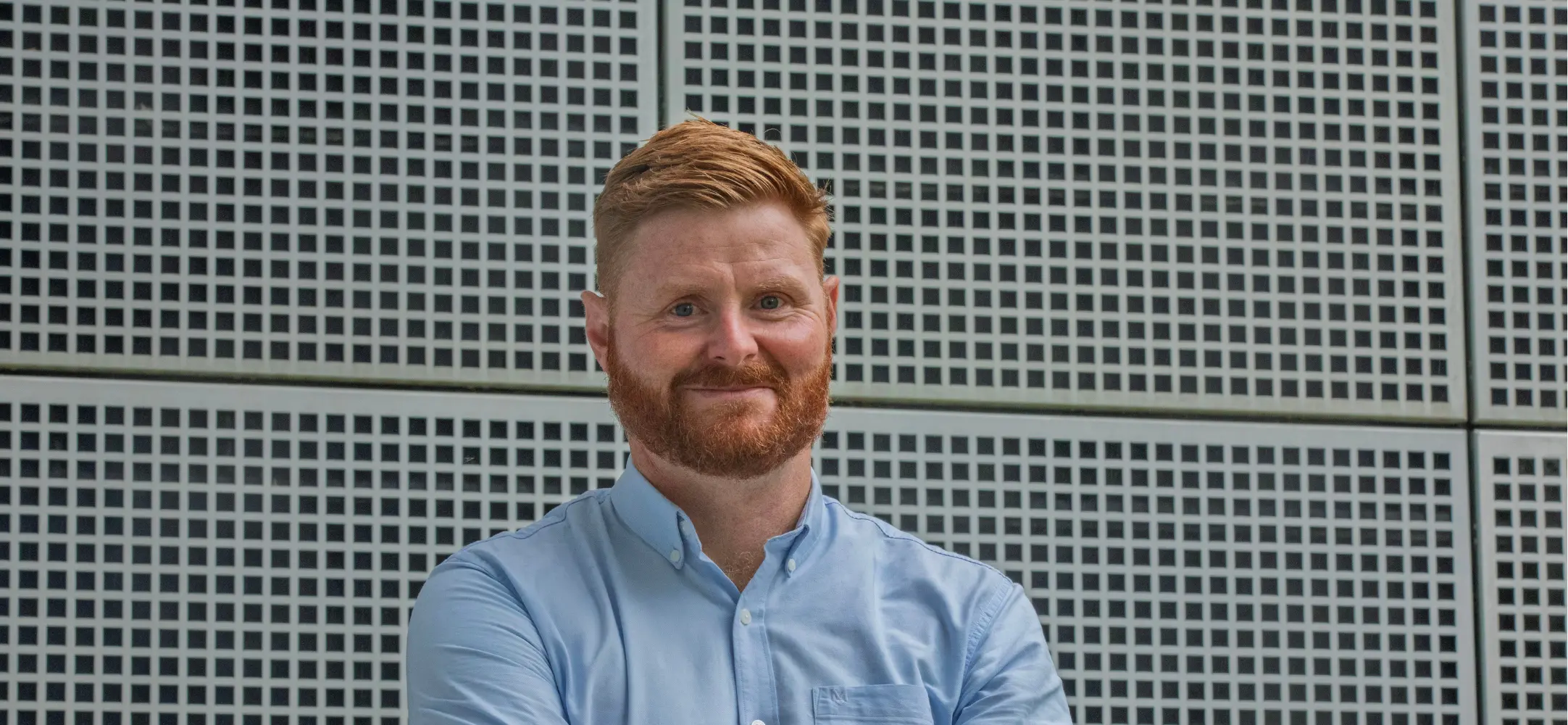
“This is one of the greatest challenges in paediatric cancer research. Children diagnosed with DMG have no effective treatment options and the disease is almost universally fatal. Families are often left with little more than hope as they watch their child succumb to this devastating cancer,” Professor Dun said.
The team’s research aims to change that by developing genuine standard of care treatments for kids with brain tumours and disseminating their findings with researchers around the globe.
The Cancer Signalling Research Group achieved a landmark moment in February of last year, when their research underpinned the first ever FDA accelerated approval of a drug for DMG. This milestone was the result of eight years of relentless research, multiple clinical trials, and an extraordinary collaborative effort involving scientists, clinicians, patients and families around the world.
“But this approval is not the finish line. In many ways, it is the beginning.
“For the first time, we have clear evidence that a therapy can improve outcomes for children diagnosed with this devastating disease. That may sound like a small step, but for a cancer that has seen virtually no therapeutic progress for decades, it changes everything.”
We are no longer asking whether DMG can be treated. We are now asking how we can make treatments work better, for more patients, and for longer.
The accelerated FDA approval was an incredible milestone,” Professor Dun says. “But what matters most is what comes next. We now know we can improve outcomes. That’s something that had never been shown before in DMG, and it means we’re really at ground zero for a new era of discovery.”
“Our goal is no longer simply to find a treatment. Our goal is long-term survivors. The decisions we make, the project we pursue, and the collaborations we build over the next few years have the potential to deliver the biggest impact this field has ever seen for children and their families.”
Professor Dun’s very first grant, a travel scholarship awarded shortly after finishing his PhD, took him to Denmark to learn the cutting-edge cancer proteomics techniques. He brought these innovative techniques to HMRI, and they formed the backbone of the Cancer Signalling Research Group’s work.
Local grounding with a global impact is a central part of the team’s identity.
“We are proud to represent HMRI in medical research. Our research is centred locally in terms of the way that we discover important factors but is informed globally,” he says.
“And I can say hand on heart that our research team is internationally recognised as one of the best paediatric brain cancer research laboratories globally.”
Asked what the secret is behind the Cancer Signalling Research Group’s success, Professor Dun answer is simple.
“Teamwork makes the dream work.”
Time is all we've got
Sarah was just a young mum balancing a hectic life of a career in hospitality and raising her one-year-old-daughter when she started to feel a pain in her breast,
“I was just go, go, go all the time,” she says. “I wasn’t really worried about what was going on with my body.”
An ultrasound found nothing, but her symptoms worsened. When Sarah finally saw a specialist, the diagnosis was immediate: HER2-positive breast cancer, an aggressive subtype that grows and spreads rapidly. She was just 22 years old.
Despite a mastectomy and chemotherapy, the cancer spread to her spine and is now inoperable.
Today, Sarah receives regular Herceptin infusions, a targeted treatment developed through decades of cancer research. While not a cure, it helps control her disease and gives her more time with the people she loves.
The diagnosis changed Sarah’s perspective on life.
“Before cancer, I was moving at 100 miles an hour between work and motherhood,” she says. “Now I appreciate everything. I make sure I’m really living life, because time is all we’ve got.”
Her treatment is the result of medical research. HER2-positive breast cancer cells carry unusually high levels of the HER2 protein, which can drive the cancer to grow and spread more rapidly. The discovery of this biological difference allowed researchers to develop treatments such as Herceptin that specifically target HER2 and help slow or control the disease.
For Sarah, these advances mean more time with her daughter. But they are not yet a cure. Some HER2-positive cancers stop responding to existing treatments or spread to parts of the body that are particularly difficult to treat.
That’s why the next medical breakthrough matters so deeply. And why HMRI researchers are working to find new ways to stop these cancers from growing and spreading.

Donate to life-saving research today
Help us find solutions that prevent illness and allow people to have longer, healthier, happier lives.