Scientists from the Hunter Medical Research Institute (HMRI) and University Newcastle are working to find a cure asthma as part of a national approach using artificial intelligence and genetics.
Recent advances in asthma research are transforming the way the disease is understood and treated, shifting the focus onto remission as the pathway to a cure.
“For decades, asthma management focused on controlling symptoms and preventing flare-ups, but that is rapidly changing,” said Dr Dennis Thomas from the University of Newcastle and HMRI’s Asthma and Breathing Research Program. “In the last few years, remission has emerged as a viable treatment goal.”
Most asthma can be treated with combination inhalers that blend a steroid “preventer” with a long-acting “reliever”. For the 10 per cent of people with severe or difficult-to-control asthma, injectable biologic medicines, based on monoclonal antibodies, have changed lives.
Biologics work by blocking the effects of key immune pathways that cause airway inflammation and lung damage. Around a third of patients on these therapies can live free of daily symptoms, but these drugs don’t work for everyone, and they don’t cure the disease. Researchers still don’t fully understand why some people respond and others don’t.
“A cure means no disease activity without the need for ongoing treatment for an extended period, potentially lifelong, with minimal chance of relapse,” said Dr Thomas. “It’s different from remission, which may still require ongoing treatment.”
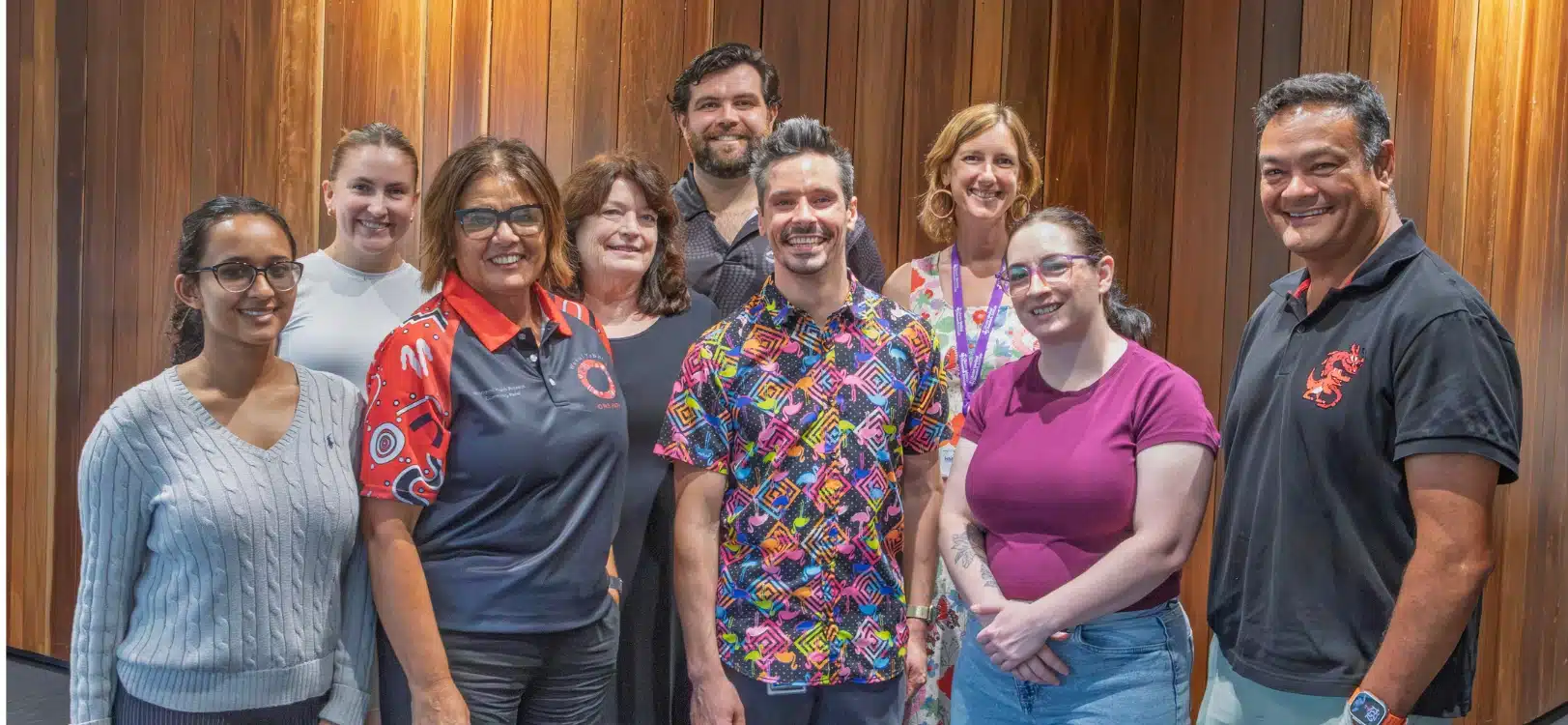
A new roadmap, published in the Medical Journal of Australia, outlines how Australian researchers plan to tackle that problem. This work sits within the CURE Asthma Initiative, a national research effort led by Asthma Australia and involving universities and medical research institutes across the country, including University of Newcastle Professors Peter Gibson, Vanessa McDonald and Dr Dennis Thomas of HMRI’s Asthma & Breathing program.
To initiative will interlace and coordinate research activities of these leading Australian asthma research groups to unravel the distinct disease mechanisms that drive the different forms of asthma.
“Understanding the different mechanisms behind each form of asthma is critical,” said Professor Gibson. “Only then we can develop tailored cures that address the root causes.”
Asthma affects millions of people worldwide and contributes to hospitalisations, lost productivity, and reduced quality of life. It is not a single disease but a complex collection of distinct clinical presentations, each driven by different biological mechanisms.
Researchers now refer to these variations as “the asthmas” and believe that multiple targeted cures may be the key to solving this puzzle.
Utilising artificial intelligence, large national datasets, and cutting-edge lab techniques the CURE Asthma Initiative will see asthma studied in much more detail. This includes creating “digital twins” of patients to predict how their lungs behave, and investigating how early-life exposures can permanently change airway cells. The aim is to uncover the biological “switches” that cause asthma and figure out how to turn them off.
“The ultimate goal is to develop a cure for all the asthmas,” said Professor McDonald. “This initiative represents a major step forward in how we approach asthma research.”