

High blood pressure is one of the most important and preventable risk factors for stroke. Yet many Australians don’t fully understand what those numbers mean when they have their blood pressure checked, or how often these numbers should be checked. As we mark National Stroke Week, it’s a timely reminder that around 80% of strokes are preventable. Managing blood pressure is one of the simplest ways to help protect yourself.
“High blood pressure is one of the leading risk factors for stroke, but it’s also one of the easiest to monitor and manage,” says Hunter Medical Research Institute (HMRI) Heart and Stroke researcher Professor Beata Bajorek, who is a clinical academic pharmacist at the University of Newcastle and the Hunter New England Local Health District.
“The challenge,” she explains, “is making sure people understand how to take action before it leads to something serious.”
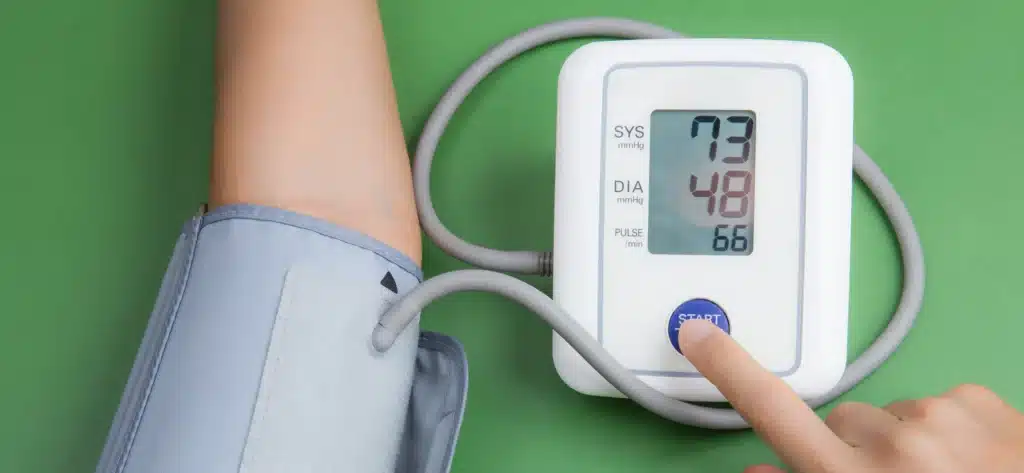
When you get a blood pressure reading, the top number is your systolic pressure, which is the force of blood pushing against artery walls when your heart beats. The bottom number is your diastolic pressure, which is the force of blood when your heart is resting between beats. For most people, a healthy reading is generally considered below 120/80 mm Hg. As the blood pressure increases, your risk of stroke, heart attack, kidney damage and other complications also increases. This is because high blood pressure puts more force on your blood vessels and impairs the blood circulation to the heart, brain, kidneys and other organs.
High blood pressure is often called the ‘silent killer’ because it usually has no symptoms. It can damage arteries and organs over time without warning. Many people think they would feel if something was wrong, but that is rarely the case.
“One of the biggest knowledge gaps we see is people not understanding what their blood pressure numbers actually mean, or why they matter,” Professor Bajorek says.
“That understanding can be the difference between preventing a stroke or having one. It is much easier to get your blood pressure under control than it is to undo any damage caused by a stroke”
There are also common misconceptions. It is not just something older people need to worry about. Factors like diet, stress, alcohol, smoking and a sedentary lifestyle can raise blood pressure at any age. Another myth is that one high reading means you have hypertension. Blood pressure fluctuates naturally and can rise temporarily due to stress, caffeine intake or even talking during a blood pressure check. That is why diagnosis should be based on multiple readings taken over time, and at different times and ideally, at rest.
Proper technique during blood pressure checks also matters. Sit quietly for five minutes beforehand, keep your feet flat on the floor, support your arm at heart level and avoid talking. Even small things, like crossed legs or a full bladder, can affect the result. If the blood pressure is high on the first reading, it’s good to check again in another 5 minutes to see whether it comes down.
If your blood pressure is in the normal range, it should be checked at least every two years. If your readings are higher than normal, or you have other stroke risk factors such as diabetes, obesity or a family history of heart disease, your doctor may recommend checking it more often, sometimes every three to six months. Home monitors can help track trends, but they need to be used correctly and discussed with a health professional.
“Stroke prevention starts with awareness,” says Professor Bajorek.
“If more people knew how easy it is to check their blood pressure, and how big a difference knowing those numbers makes, we would see far fewer preventable strokes.”
Lifestyle changes can make a significant difference. For many people with early-stage hypertension, steps such as reducing salt intake, exercising regularly, limiting alcohol, quitting smoking, managing stress and improving sleep can lower blood pressure. But when medication is needed, it can save lives, and sticking to your treatment plan is essential. There are many different medications available for lowering blood pressure and your health professional will select the one that’s best suited to you.
Checking your blood pressure regularly, understanding what the numbers mean and taking early action are simple steps that could prevent a stroke.
This National Stroke Week, take a moment to know your numbers, and speak to your doctor if they are outside the healthy range.