Our Infection Research Program helps to better prevent, understand, and treat severe infectious diseases that impact our communities.
Infectious diseases continue to pose a significant threat to public health. The COVID-19 pandemic underscored how quickly societies can become vulnerable to emerging pathogens. Factors such as increasing population density and global warming further elevate the risk of outbreaks, highlighting the urgent need for effective preparedness and response strategies.
Antimicrobial resistance is another major concern. The widespread and often unnecessary use of antibiotics accelerates the development of resistant strains, undermining the effectiveness of treatments for severe bacterial infections. These resistant organisms, along with other pathogens, are frequently encountered in healthcare settings, placing additional strain on our health systems.
In addition to preventing and detecting infectious diseases, there is currently a lack of evidence-based guidelines to effectively treat serious infections such as sepsis and prosthetic joint infections, where timely and targeted therapy is critical to patient outcomes.
The Infection Research Program at HMRI brings together multidisciplinary experts to address these critical challenges. Our researchers are committed to translating scientific discoveries into real-world solutions to improve health outcomes both locally and globally.
1.5+ MILLION
OF NOTIFIABLE DISEASES WERE REPORTED IN AUSTRALIA IN 2023
165,000+
INFECTIONS ARE ACQUIRED IN HOSPITALS IN AUSTRALIA EVERY YEAR
COVID-19
WAS THE 2ND LEADING CAUSE OF DEATH GLOBALLY IN 2021
Sources: Australian Institute of Health and Welfare, World Heath Organisation, NSW Health Clinical Excellence Commission
We're working to reduce the impact of infectious diseases on human health by addressing important evidence gaps in the diagnosis, prevention, and management of infections.
Our program has expertise across four critical research areas:
Infection prevention and control/ antimicrobial stewardship
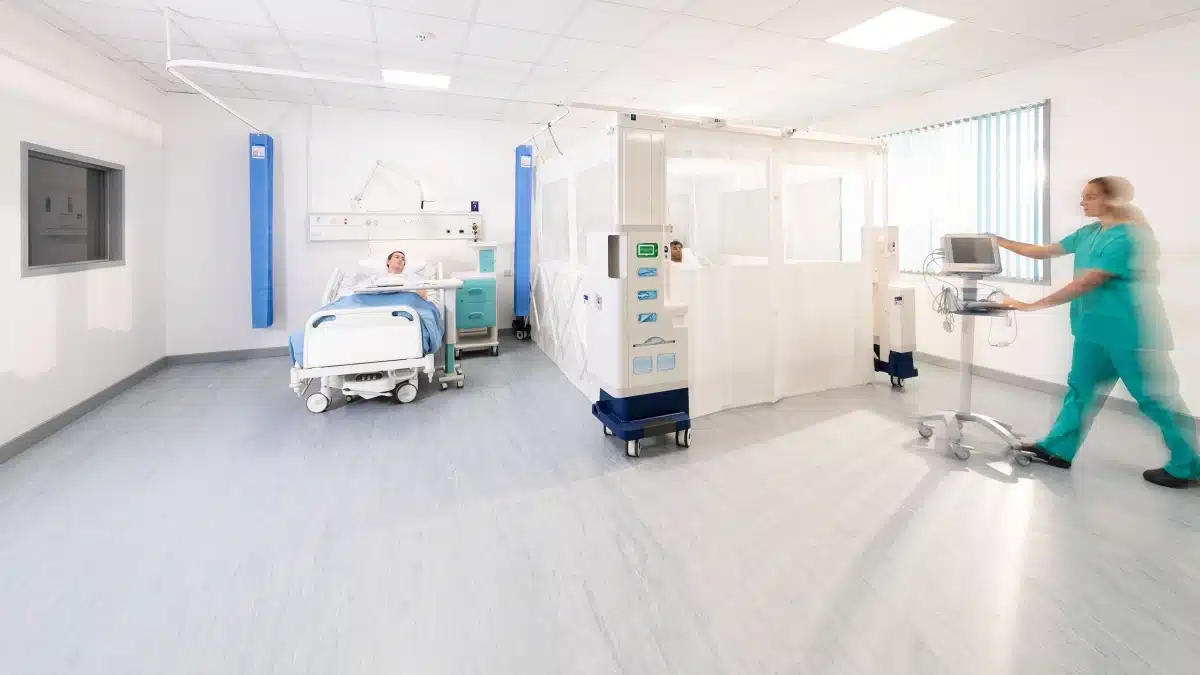
We’re researching how to prevent the spread of pathogens and infections in hospitals and other healthcare settings to keep patients safe.
We are also investigating ways to reduce unnecessary antibiotic use to help prevent the development of new resistant strains.
Pandemic preparedness
We are working to improve how we track and respond to infectious disease outbreaks by building strong surveillance systems.
Our work includes monitoring respiratory viruses and developing effective response strategies to enhance community resilience in the face of future pandemics.
Severe bacterial infections
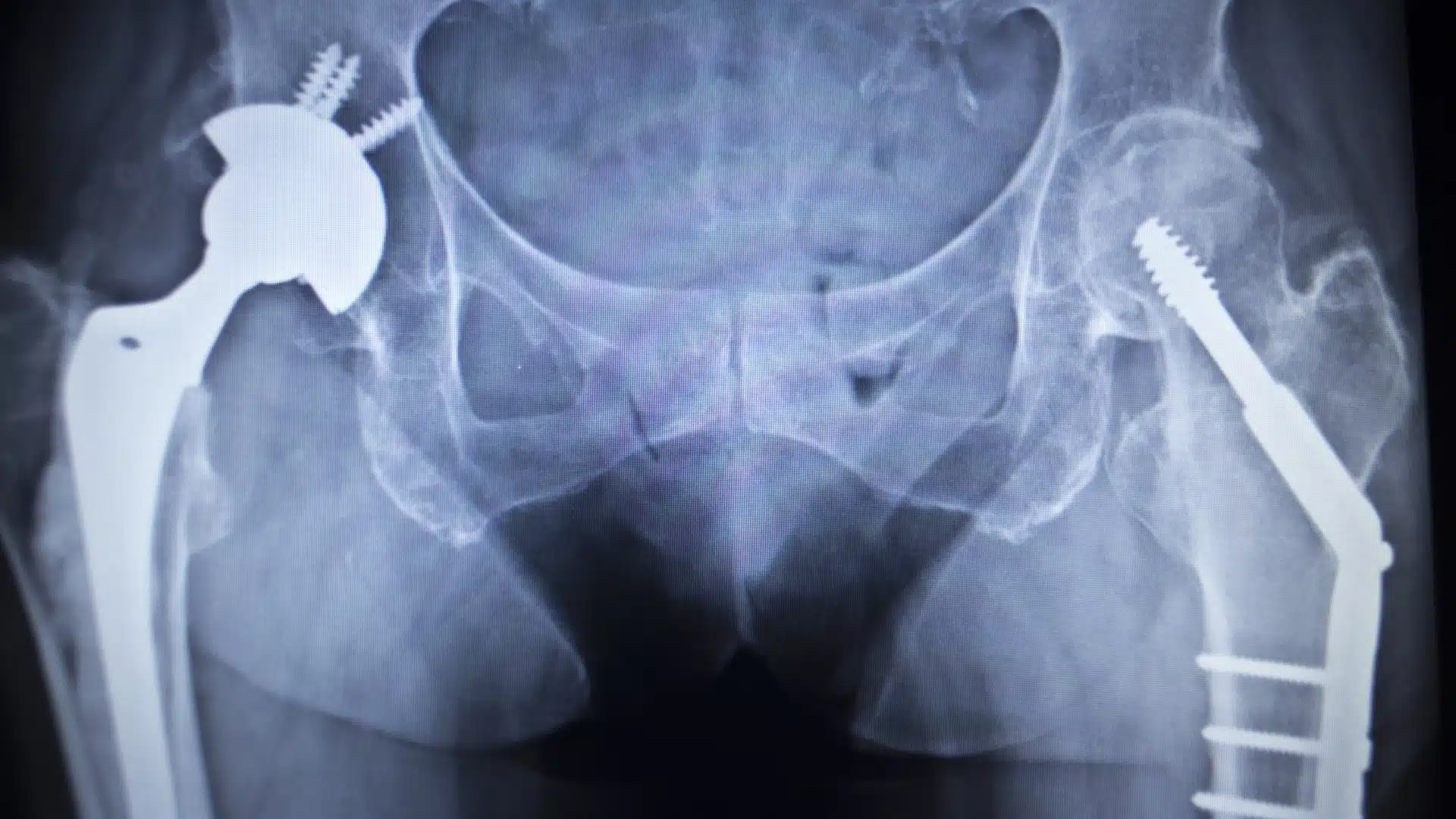
We’re researching conditions such as sepsis and prosthetic joint infections, aiming to improve treatment outcomes and develop effective management strategies.
Our research aims to improve treatment and care guidelines, leading to better management strategies and outcomes for patients.
Translational virus research
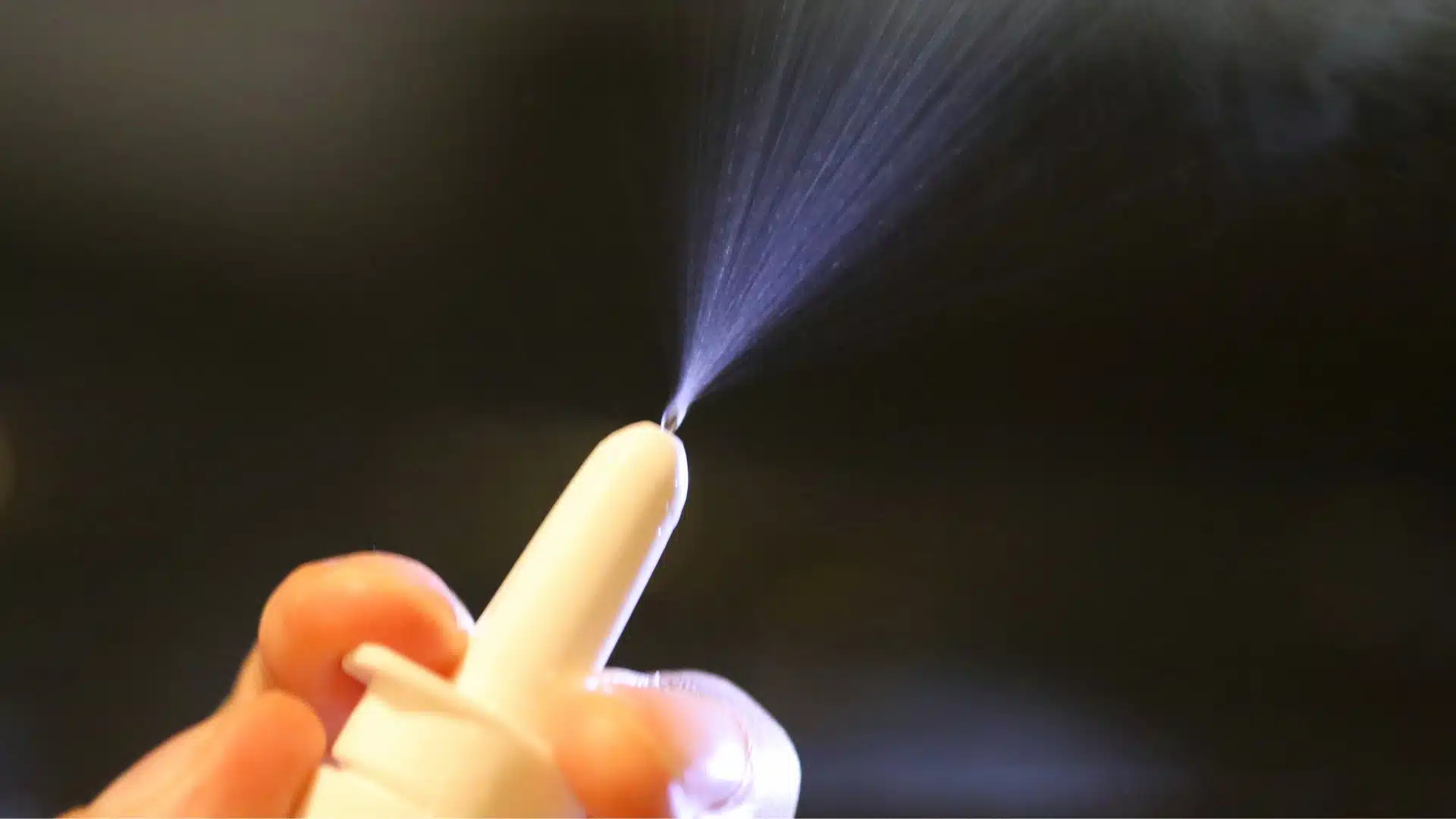
We are researching viral infections, such as COVID-19, to discover more effective treatment options.
Our focus is on translating scientific findings into clinical applications, for example, by developing drugs that target specific mechanisms we have identified.
Learn more about the HMRI Infection Research program’s work here
Asthma in Pregnancy Toolkit: Improving outcomes for pregnant women with asthma and their babies
Developed in collaboration with global experts, the Asthma in Pregnancy Toolkit aims to improve pregnancy outcomes for mothers and babies, strengthen partnerships between health professionals and families, and provide evidence-based resources for managing the most common chronic disease in pregnancy.
How i-REBOUND gave stroke survivors everywhere access to online diet and exercise rehab tools
i-REBOUND is a world first website providing evidence-based diet and exercise resources for stroke survivors, addressing post-hospital support gaps especially in regional areas. Developed with stroke survivors, it features real testimonials and tailored resources to reduce secondary stroke risk.
EMU: the Education, Movement, & Understanding program combines Indigenous games with physical activity and learning
Designed in collaboration with Aboriginal community leaders, EMU aims to improve children’s health and literacy levels, strengthen partnerships between schools and local Indigenous communities, and provide a professional learning option for teachers specific to Indigenous education.
World-first stroke recovery program builds more than just skills
For people living with stroke, the opportunity to exercise, socialise, dance and make art not only helps rebuild speech, motor skills and fitness — it’s also a fun way to boost connections and confidence in a supported setting. The ESTEEM program is doing just that.
Bringing the best diabetes care to people in the bush
Diabetes Alliance Program Plus (DAP+) is a proven diabetes care model helping improve the prevention, detection, treatment, and self-management of diabetes in rural and regional communities.
4000+
PATIENTS HELPED
800+
HEALTH PROFESSIONALS ARE ROLLING OUT DAP+
96
PATIENTS WHO PARTICIPATED IDENTIFY AS INDIGENOUS AUSTRALIANS
Daughters & Dads Active & Empowered: Empowering girls to be active and empowered
Daughters & Dads Active & Empowered is a world-first, evidence-based program that brings together fathers/father-figures & their primary school-aged daughters to promote physical activity, enhance sport skills, and boost wellbeing.
School exercise program boosts adolescent fitness and health
Burn 2 Learn is a world first school-based physical activity HIIT program, improving fitness, wellbeing and enhancing academic achievement of high school students.
The IMPOSTERS trial is revolutionising post-surgery care and patient comfort. Additionally, the clinical trial is also identifing cost-savings opportunities that will improve environmental sustainability by minimising single-use devices.