

Hunter Medical Research Institute’s Brain Health Research Program aims to improve the understanding of brain and nerve conditions and develop next-generation therapies.
There are more than 600 known disorders of the brain and nervous system. Neurological conditions are now the leading cause of ill health and disability worldwide. Dementia, including Alzheimer’s Disease, is now Australia’s leading cause of death.

600+
DISORDERS OF THE BRAIN AND NERVOUS SYSTEM

400,000+
AUSTRALIANS ARE LIVING WITH DEMENTIA

1 in 3
PEOPLE WORLDWIDE ARE AFFECTED BY NEUROLOGICAL CONDITIONS
Our researchers cover the spectrum of nervous system disorders including pain and inflammation, mood disorders, addiction, complex brain and psychiatric disorders like psychosis and schizophrenia, balance and hearing disorders, stroke and other brain injuries, neurodevelopmental disorders, as well as neurodegenerative conditions like dementia.
Most current treatments for these disorders are not disease-modifying. They address symptoms rather than the disease itself.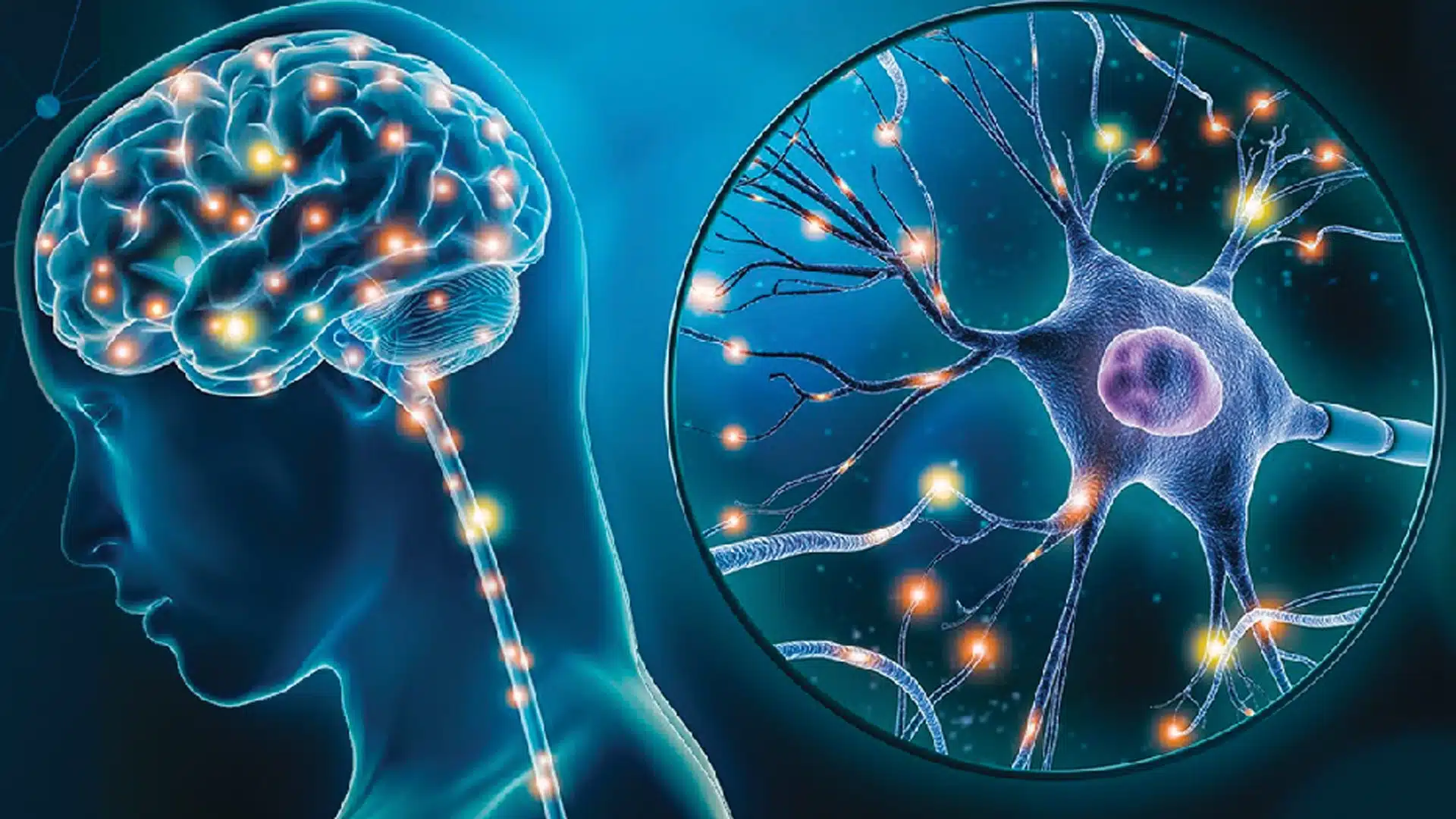
Uniting world-leading experts
More than 70 researchers are part of our Brain Health Research Program. We’re bringing together neuroscientists, clinicians, physicists, electrical and medical engineers, psychologists, allied health professionals and biological scientists from around the world.
The program aims to improve the understanding of a number of brain and nerve conditions and ultimately develop new and improved therapies that can return nerve activity and brain function to health. Our research aims to build a precise understanding of how these conditions disrupt signalling throughout the nervous system – from the brain and spinal cord to peripheral nerves and receptors
Our research program members are leaders in their field with a variety of expertise. Beyond HMRI’s main research facility, program members are based at Hunter New England Local Health District, private clinical practice and the University of Newcastle, enabling collaboration and the development of new, evidence-based treatments and therapies.
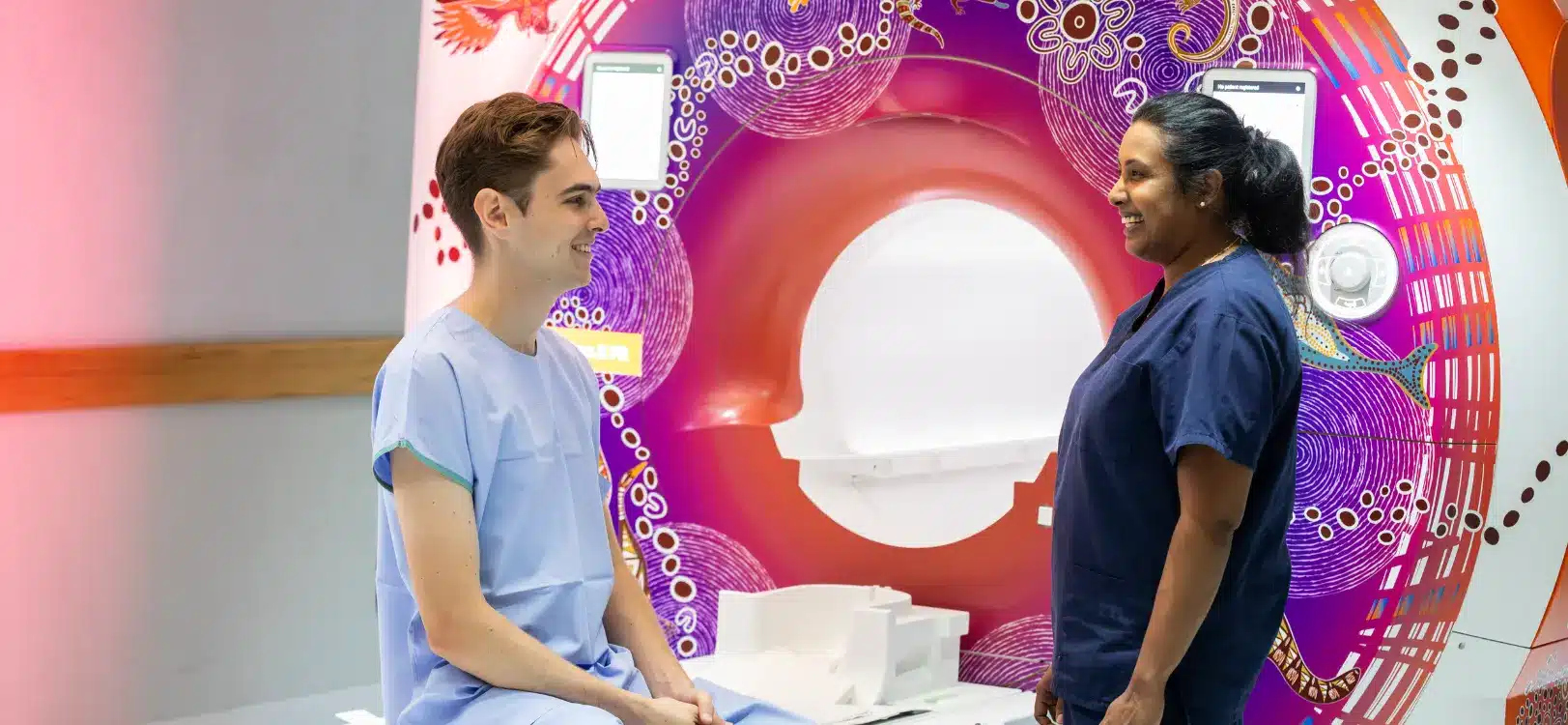
Our program researchers also have strong links to the HMRI Imaging Centre, a partnership that enables our researchers to access advanced imaging services and state-of-the-art technology to enhance research efficiency and outcomes.