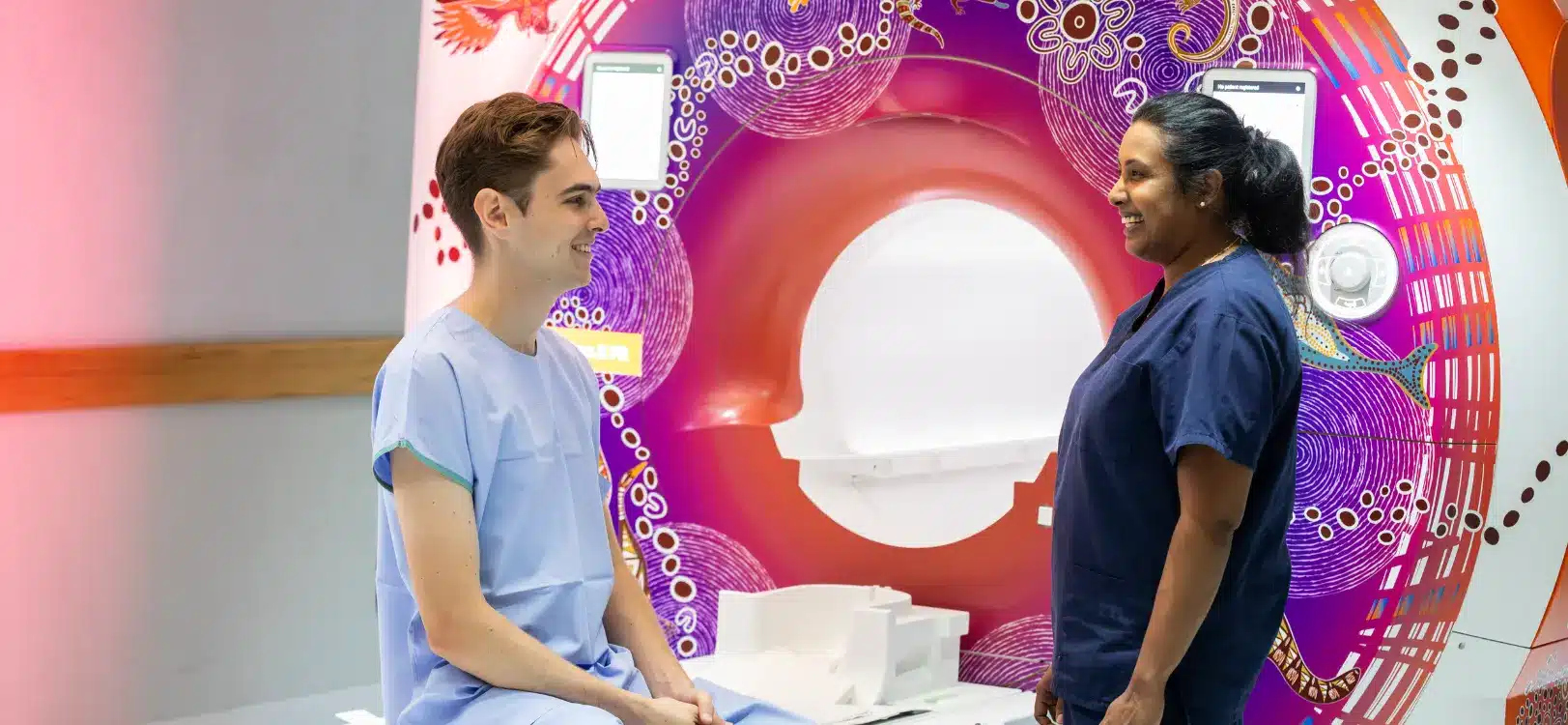


Hunter Medical Research Institute’s Breathing and Lung Health Research Program is dedicated to researching, understanding and revolutionising healthcare for people with respiratory health issues across the lifespan.
Breathing is fundamental to life — yet for many Australians, breathing easy is something they cannot take for granted.
At Hunter Medical Research Institute, our Breathing and Lung Health Research Program is dedicated to transforming the way respiratory diseases are understood, diagnosed and treated. We work across the entire respiratory system — from the nose and upper airways to the lungs — and across the lifespan, from childhood through to older age.
Respiratory conditions are among the most common chronic diseases in Australia. Asthma prevalence in Australia is among the highest in the world, and in the Hunter New England region rates are even higher — particularly in children. Alongside asthma, we address a broad range of conditions including chronic obstructive pulmonary disease (COPD), vocal cord dysfunction, upper airway disorders, sleep disorders such as obstructive sleep apnea, pleural disease, interstitial lung diseases, airway infections and allergies.

8.5M +
AUSTRALIANS ARE LIVING WITH A CHRONIC RESPIRATORY CONDITION

1 IN 10
AUSTRALIANS HAVE ASTHMA

50,000+
EMERGENCY DEPARTMENT VISITS EVERY YEAR ARE DUE TO ASTHMA
Despite their frequency and impact, breathing conditions are too often misdiagnosed or under-treated. Many people live with persistent symptoms, disrupted sleep, fatigue and poor concentration. Some experience unnecessary side effects from incorrect therapies, while others receive little relief at all. In severe cases, respiratory disease can be life-threatening.
When conditions are not properly managed, people are more likely to require urgent medical care or hospital admission — placing additional strain on individuals, families and an already stretched healthcare system.
We believe this can change.
Identifying the root causes of respiratory disease
Our research goes beyond symptom control. We are focused on identifying the root causes of respiratory disease and the modifiable factors that drive poor outcomes. By improving diagnostic precision, defining treatable traits and advancing personalised approaches to care, we aim to ensure that every person with a breathing condition receives the right diagnosis, the right treatment and the right care at the right time.
Breathing should not be a burden.
Through discovery, collaboration and innovation, we are working to make better breathing a reality for our community — and beyond.