

New research shows that regular self-collected nasal swabs can help track the spread of respiratory viruses in the community, including infections in people who do not feel sick.
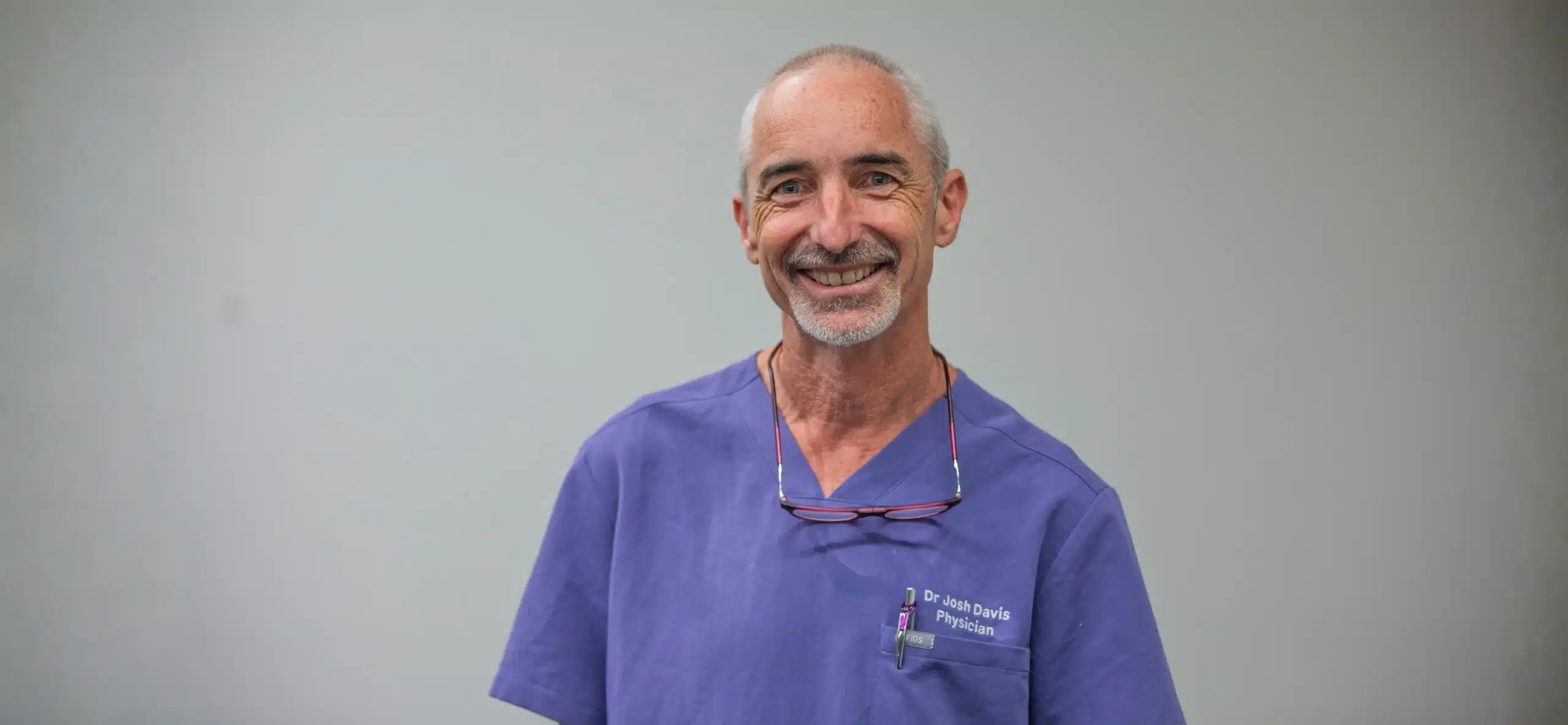
Professor Josh Davis and his team led a pilot study that explored an innovative way to predict and monitor the viruses moving through the community.
The Pandemic Respiratory Virus Epidemiological SurveillaNce Trial, or the PREVENT study, was carried out through the FluTracking platform, an online health surveillance system where people report respiratory symptoms each week. This study added another layer by asking a group of participants to also collect weekly nasal swabs at home.
“Most existing surveillance systems used by governments and public health rely on people getting sick and going to their doctor or a hospital, or on people who have symptoms taking a swab,” explains University of Newcastle’s Professor Davis, who is Deputy Director of HMRI’s Infection Research Program and a Senior Staff Specialist in Infectious Disease at John Hunter Hospital.
“Our study was different because we got a group of people to take a swab every single week of the year, whether they had symptoms or not.”
52 volunteers living in the Newcastle area took part in the study. Each week for about a year, they completed the usual FluTracking symptom survey and collected their own nasal swab, which they mailed to a laboratory for testing.
Despite questioning around the study’s feasibility and whether people in the community would be willing to collect a nasal swab every week for a full year, the results showed the approach is not only viable but highly effective. The study achieved full recruitment within four hours and the participation rate over the 12 month period was excellent, with more than 90 per cent of participants completing the full year.
“It’s pretty easy collecting your own nasal swab and just as accurate as getting a doctor or nurse to do it,” says Professor Davis. “We’ve shown that people doing it themselves, putting the sample into an express post envelope at ambient temperature and mailing it away for lab testing works.”
Professor Davis says the approach gave researchers a rare opportunity to study how viruses circulate outside clinical settings, including infections in people who may not have any symptoms at all.
“We’re not just studying people who are sick and they’ve attended a doctor or a hospital, we’re studying healthy people out in the community.”
Over the 50 week study period, researchers received more than 2,000 nasal swabs from participants. The response rate was high, with 84 per cent of expected samples successfully collected and returned.
Each swab was tested for 16 respiratory viruses using a laboratory technique known as multiplex PCR. The test can detect several different viruses in a single sample.
The results showed that respiratory viruses were detected in about 11 per cent of weekly samples. Importantly, almost a quarter of those positive results came from people who reported no symptoms that week.
Rhinovirus, the usual cause of the common cold, was the most frequently detected virus. It accounted for more than half of all positive samples. SARS CoV 2, the virus responsible for COVID 19, was the second most common.
“The flu and COVID are a lot more visible and virulent,” says Professor Davis. “But Rhinovirus still causes a lot of absenteeism from work and school, flares of asthma and things like that, so it’s really an area that needs more research and vaccine development.”
The findings highlight how common silent infections can be in the community. People often assume that viruses only spread when someone feels unwell, but that is not always the case.
“People are often asymptomatic when they have a respiratory virus infection, and this is important because you can still spread that to other people,” says Professor Davis.
The study also showed that regular self-testing can work well in a community setting. Participants were able to collect their own samples and return them through the mail for almost a year, suggesting that this kind of surveillance could be practical during future outbreaks.
“We would find out much more quickly because you’d have a group of sentinel people that are swabbing every single week, and even if there are unknown viruses turning up we will be able to see those too.”
As part of the study, Professor Davis and his team also used a special test called metagenomic analysis. The process can detect all viruses, both known and unknown, allowing researchers to identify the genetic sequence of a new pathogen so it can be tracked. This test is being applied to study samples that tested negative on the PCR but were linked to symptoms reported through FluTracking. The results from these metagenomic tests will be completed and shared soon. When linked with a surveillance system like PREVENT, metagenomics has huge potential to help protect people during future outbreaks or pandemics, potentially serving as an early warning alarm.
Behind the scenes, HMRI’s Data Management and Health Informatics team played a key role in the PREVENT study. Custom-built software linked participants’ FluTracking survey responses, laboratory swab results and contact details, allowing results to be returned quickly so participants could make more informed decisions about their health.
Dr Patrick Skippen, Head of the Data Management and Health Informatics team says this automation allowed the study to run efficiently while maintaining a high rate of participation and sample return, and highlights the importance of integrated data systems and analytical expertise in scaling surveillance efforts.
“To encourage a high sample return rate, it was important to make sure participants got a strong benefit from their participation, part of that was providing feedback about what viruses may be present in their samples as soon as possible, and thanks to our team’s software development we were able to help make that happen,” Dr Skippen says.
The researchers hope the PREVENT study approach could be scaled up nationally or globally into a sustainable surveillance system with full government or public health funding, strengthening our ability to monitor respiratory viruses and respond more quickly to new public health threats.
“Our blue sky vision is to have volunteers taking their own nose swabs from various different parts of Australia throughout the year,” says Professor Davis. “That will tell us about new viruses that are creeping into Australia, and we’re likely to find out about these viruses before people end up going to hospital and dying.”
As respiratory illnesses continue to circulate worldwide, studies like this provide important insight into how infections spread in everyday settings and how communities can be better prepared for future pandemics.
HMRI’s Data Management and Health Informatics team was privileged to support this study across its design, automation and analysis. To learn more about HMRI’s Research Accelerator Services and how the team can help bring research to life, visit hmri.org.au/research/research-services/