
For Aboriginal and Torres Strait Islander mothers living with asthma, a troubling service gap exists. As Dr Elissa Elvidge, lead researcher of the Breathe for Bub program explains, “We don’t actually know much about the rates of asthma during pregnancy with Aboriginal and Torres Strait Islander women.“
It is precisely this gap, both in data and in culturally appropriate care delivery, that the Breathe for Bub team is working to address.
Asthma during pregnancy carries real risks. Poorly treated asthma can reduce oxygen supply to the developing baby, increasing the likelihood of preterm birth, low birth weight and complications during delivery. Yet the delivery of appropriate care has been long neglected.
“What we know from the conversations we’ve already had is that there’s lots of barriers and challenges that women experience when accessing care for their asthma during pregnancy,” says Dr Elvidge.
These barriers are compounded by a healthcare system that has not always been welcoming or culturally safe for Aboriginal and Torres Strait Islander women.
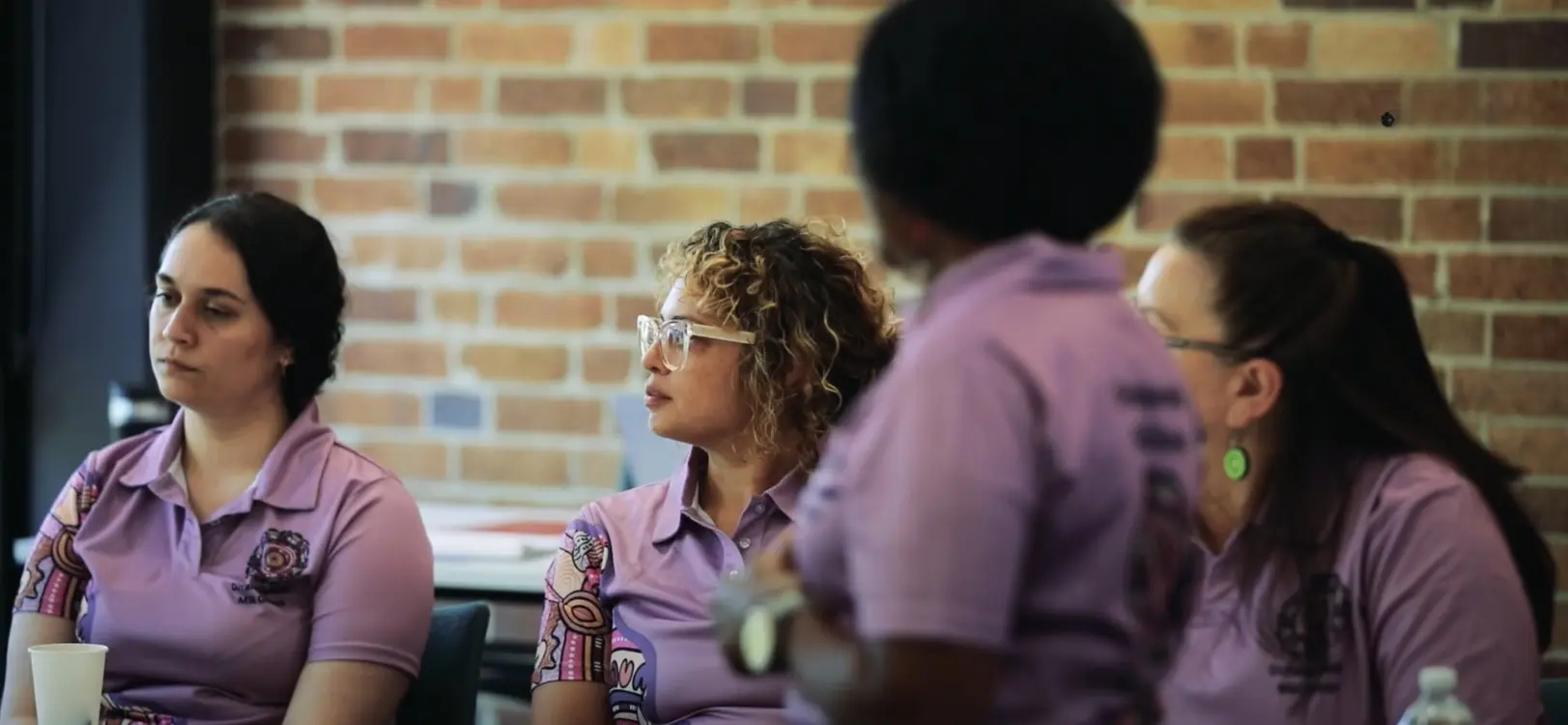
Breathe for Bub was established to change that. Rather than imposing solutions from the outside, the program is built on a foundation of community-led models of care, including Aboriginal and Torres Strait Islander women from the very outset. The goal, as Dr Elvidge describes it, is to create a framework that is “not only clinically effective, but a model of care that’s actually culturally safe.“
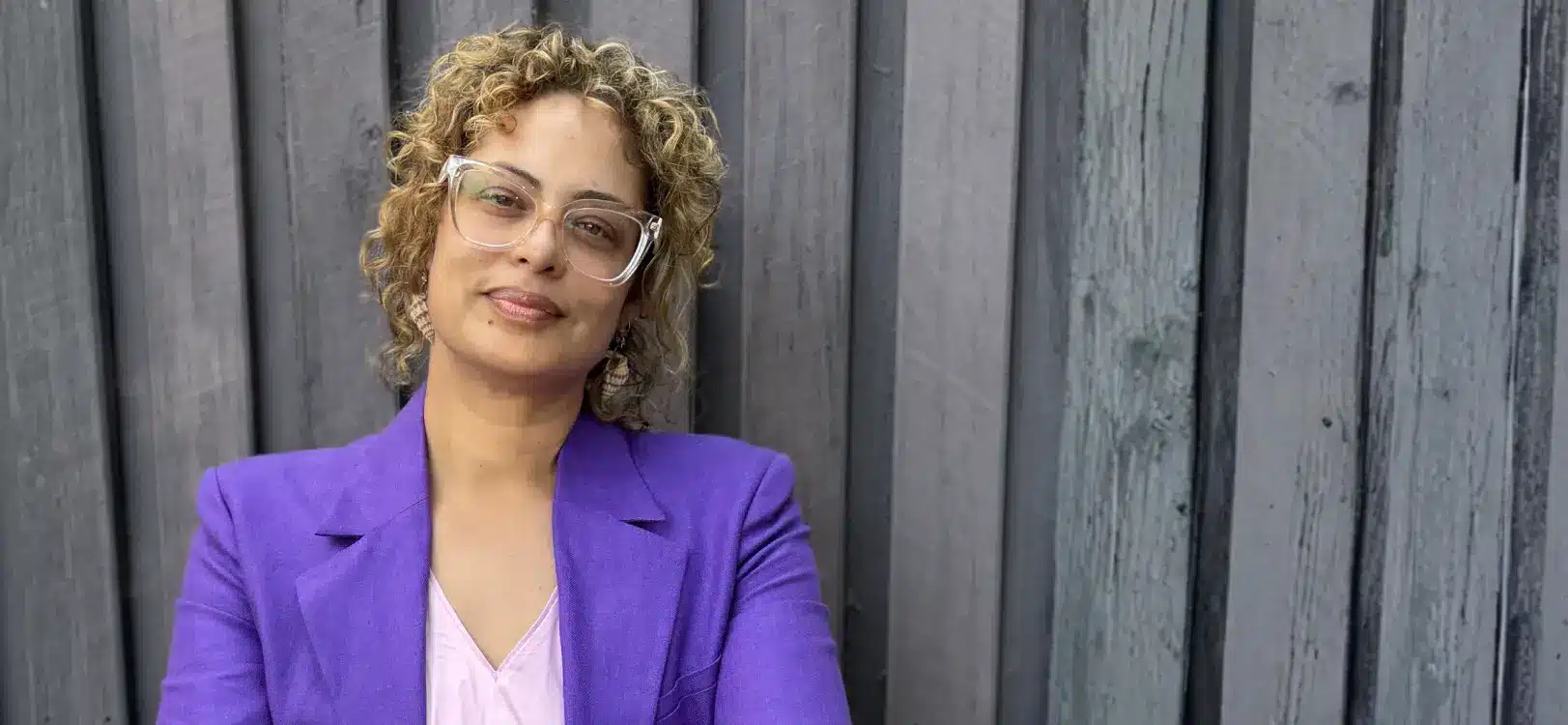
Central to this approach is a commitment to community engagement that runs throughout the entire research process, not merely at the beginning. Researcher Kerri Shying emphasises that meaningful research must begin with understanding where unmet need genuinely exists in the community. “It’s not just about completing a research project,” she says, “it’s about the impact in the community.“
That impact can only come by listening. The program is engaging with mothers and babies who have lived experience of asthma during pregnancy and of navigating different healthcare systems.
Aunty Dawn Townsend captures the spirit of the program’s philosophy simply and powerfully: “It’s our story and we need an avenue in the research arena for our voice.“
By ensuring that Aboriginal and Torres Strait Islander women’s lived experiences sit at the centre of every decision, Breathe for Bub aims to produce a model of care that delivers services where Aboriginal and Torres Strait Islander women feel safe and welcomed by clinical settings. The ultimate ambition is straightforward but profound: to help Aboriginal and Torres Strait Islander mothers and their babies breathe easier, in every sense of the word.