
Every cell in our body relies on oxygen to survive. But using oxygen comes at a cost. As cells turn oxygen into energy, they produce small, highly reactive molecules known as reactive oxygen species, or ROS. In healthy cells, these molecules are carefully controlled. In aggressive brain cancers, that balance is lost.
New insights from HMRI researcher and University of Newcastle PhD candidate Pooja Kumari, a member of Professor Matt Dun’s Cancer Signalling Research Group, have been published in Trends In Cancer, exploring how ROS could be used to fight some of the most devastating brain cancers. Their work focuses on high grade gliomas, including glioblastoma in adults and diffuse midline glioma in children. These cancers are aggressive, difficult to treat despite advances in surgery, radiation and chemotherapy, with median overall survival rarely more than 15 months.
“High grade gliomas are devastating tumours that affect more than 2100 Australians every year and unfortunately, we don’t have really any effective therapies against the disease,” Professor Dun of the University of Newcastle and HMRI’s Precision Medicine & Health Research Program says.
Tumour cells exist in an intense state of internal stress, as they grow rapidly, consume large amounts of energy and often face low oxygen conditions. All of this leads to persistently high levels of ROS.
For many years, ROS were thought of simply as harmful byproducts that damage cells. High levels can damage DNA, proteins and cell membranes. But the team’s new research highlights a more complicated picture.

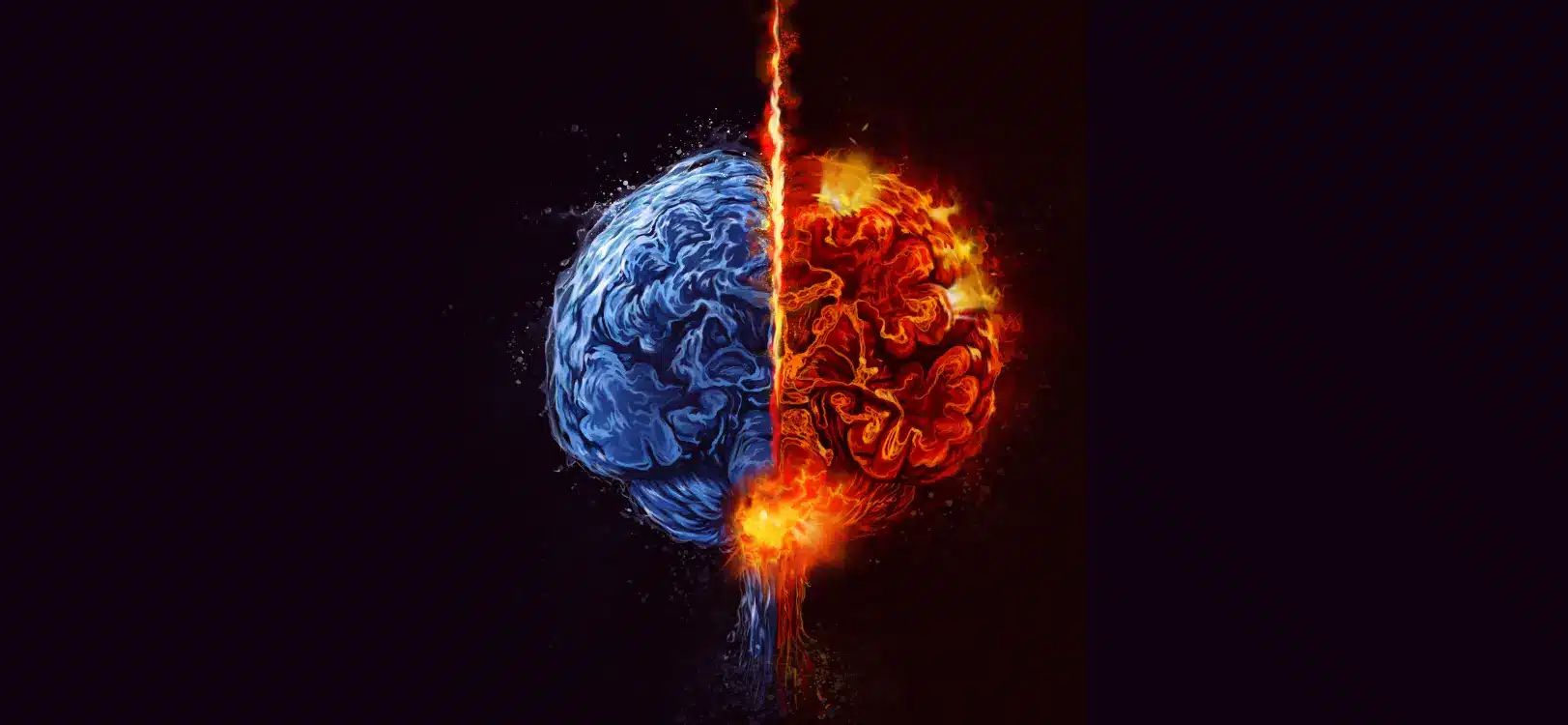
“Reactive oxygen species have a dual role in tumours,” lead study author Pooja Kumari says. “They help tumours survive and grow at moderate levels, but at excessively high levels they also kill the tumour cells.”
This is what the researchers describe as the redox paradox. On one hand, oxidative stress helps tumours grow. On the other, too much of it can push them toward cell death.
Pooja explains that moderate levels of ROS act like signalling molecules inside tumour cells. They switch on growth pathways and help cells keep dividing. They can also influence how DNA is packaged and regulated, altering which genes are active without changing the genetic code itself. These epigenetic changes help tumours maintain their aggressive behaviour.
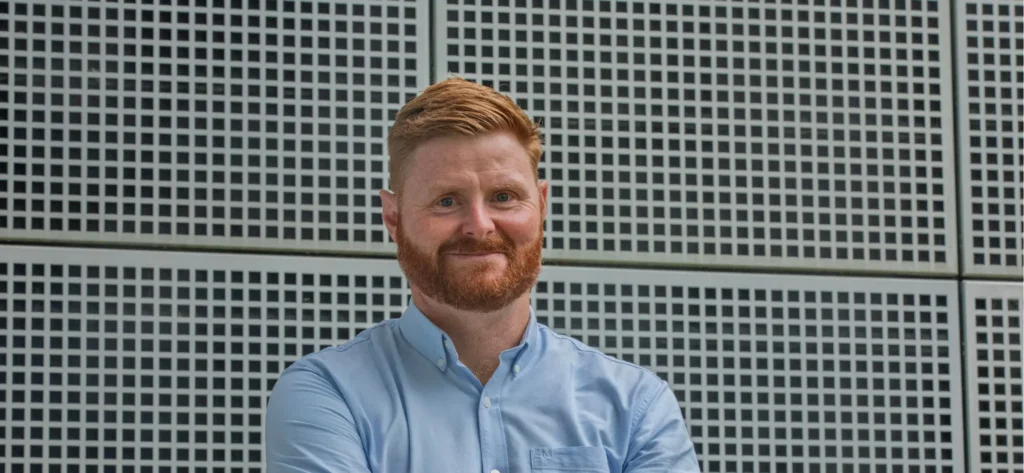
“The brain resides in this naturally stressed kind of environment, where there’s plenty of free radicals, lots of lipids, variations in oxygen concentrations,” Professor Dun says. “And the tumours that evolve in these parts of the brain seem to capitalize on all the dysfunction that’s already happening,” he says.
In other words, these cancer cells are not overwhelmed by this stress. Instead, they adapt. They build up antioxidant defences and rewire their metabolism so they can survive conditions that would damage normal cells.
But there is a limit to how much stress the cells can tolerate.
“The paradox here is that at high levels, ROS can damage DNA, proteins, and lipids, and ultimately damage the tumour cells,” Pooja says.
The team hopes this vulnerability may provide an opportunity for better treatment.
“The strategy here is pushing the tumour cells past the stress that they can tolerate,” Pooja says.
Radiation therapy, which remains a cornerstone treatment for high grade gliomas, already works in part by generating ROS that damage tumour DNA. Researchers are now exploring whether manipulating oxidative stress could make these treatments more effective.
One approach involves increasing oxidative stress inside tumour cells. Another focuses on blocking the antioxidant systems that cancers rely on for protection. Both aim to push tumour cells beyond the limits they can survive.
“These tumour cells are already living in this high oxidative stress environment, so they’re already at their limit,” Pooja says.
High grade gliomas are genetically complex and vary from patient to patient. But oxidative stress may represent a shared weakness across many forms of the disease.
“If all high grade gliomas experience high levels of oxidative stress or have high levels of free radical production, that’s a unifying feature that we might be able to harness to help all patients,” Professor Dun says.
For families facing a diagnosis of glioblastoma or diffuse midline glioma, progress can feel frustratingly slow. Researchers say building a deeper understanding of how tumour cells survive under extreme stress is an important step toward more effective treatment.
“What gives us hope is that we are beginning to understand these abilities in tumour cells,” Pooja says. “Understanding that balance and where the tipping point is might help us understand these vulnerabilities and combine them with already existing therapies.”
The same molecules that help drive some of the deadliest brain cancers may also hold the key to destroying them. By uncovering the redox paradox, HMRI researchers are one step closer to improving outcomes for patients and their families.