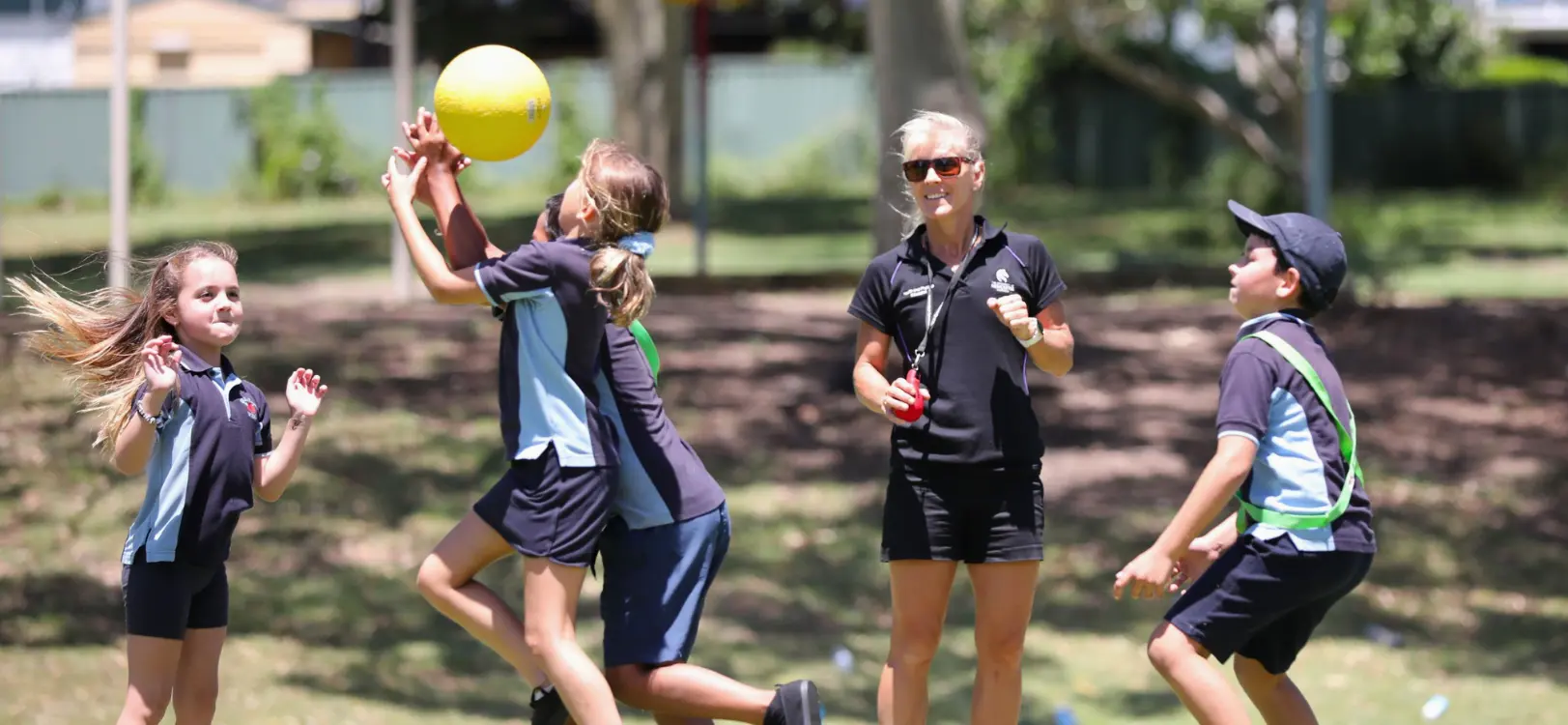
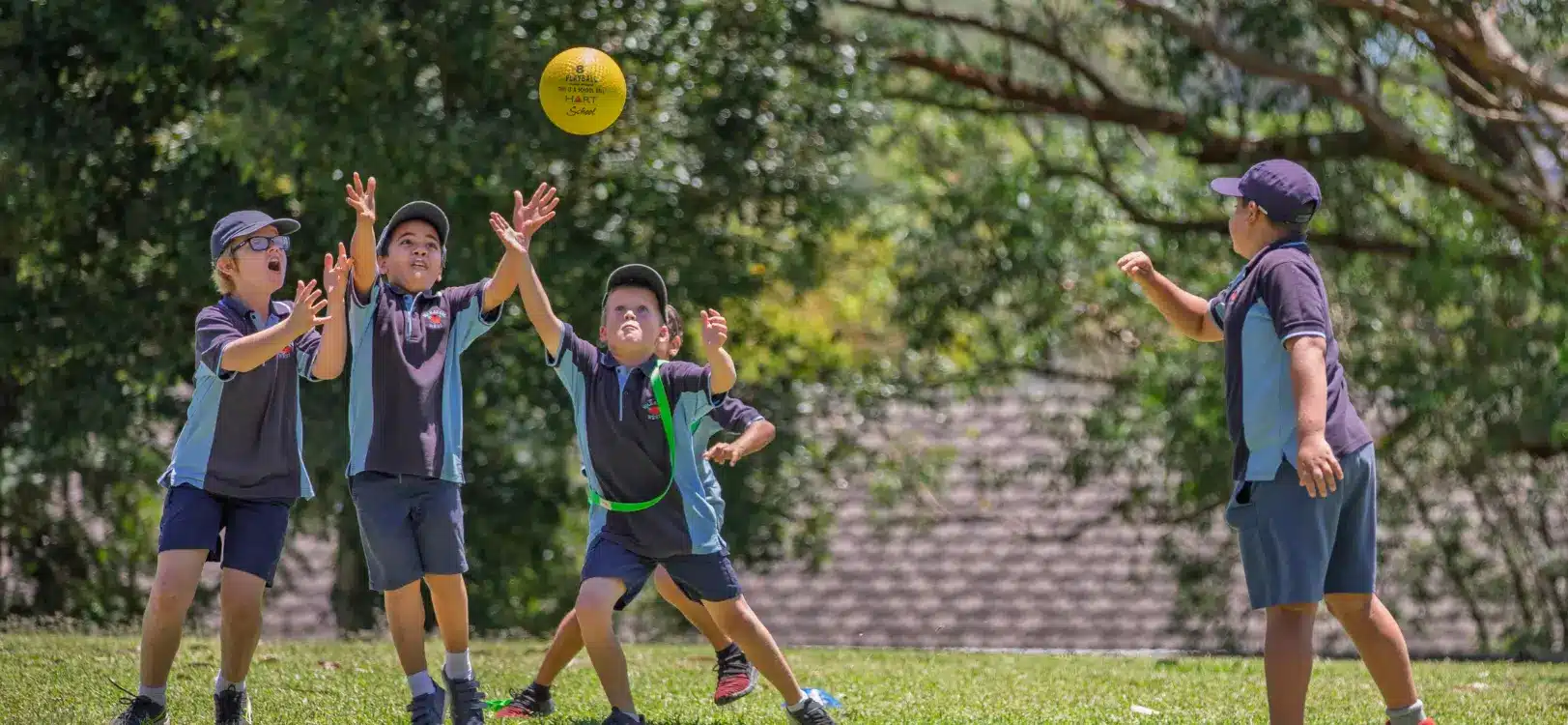
A major review of 189 studies shows organised sport is linked to better mental health and social outcomes in young people.
Children who play sport report higher self-esteem, stronger relationships and lower anxiety and depression.
Team sports deliver the strongest benefits, highlighting the importance of connection, belonging and support.
A systematic review of global evidence shows organised sport, especially team sport, is a powerful driver of mental health and social development in young people.
The study, led by researchers from the University of Newcastle, is one of the most comprehensive reviews of its kind. It analysed 189 studies identified from more than 17,000 records, spanning over 30 years of research in young people aged five to 17.
Professor Narelle Eather from the University of Newcastle and HMRI’s Global Sports and Movement Collaborative said the findings highlight the unique role sport can play in young people’s lives.
Professor Narelle Eather
“Sport offers young people so much more than the opportunity to be physically active. It provides a setting for building real friendships, developing confidence, working towards shared goals, and feeling genuinely connected to others,” Prof Eather said.
What the research shows
Across the studies reviewed, participation in organised sport was consistently linked to a range of positive outcomes.
Young people involved in sport reported:
higher self-esteem and greater life satisfaction
lower symptoms of anxiety and depression
improved emotional regulation and resilience
stronger interpersonal skills and relationships
a greater sense of belonging and social connection
Experimental studies within the review also pointed to potential causal effects, particularly in areas such as resilience, emotional regulation and prosocial behaviour.
Why sport stands out
Unlike general physical activity, sport is structured, goal-driven and social. It combines physical, cognitive and social elements in a single setting, which may explain why it delivers broader benefits for mental health and development.
The review found that while all forms of sport were beneficial, team sports delivered stronger and more consistent outcomes than individual sports.
“Team sports showed stronger and more consistent mental health benefits than individual sports, and other forms of physical activity, which really highlights just how important the social side of sport is for young people,” Prof Eather said.
How sport supports mental health
The research also identified three key mechanisms that help explain how sport supports mental health:
Self-perceptions Sport builds confidence and a sense of skill mastery. Achieving goals, improving performance, and overcoming challenges strengthens how young people see and value themselves.
Peer belonging Feeling accepted, valued, and part of a group is a powerful psychological need. Team sport provides a natural and consistent context for this sense of connection to grow.
Social support The relationships young people form with teammates, coaches, and the broader sporting environment create a network of support they can draw on both on and off the field.
These factors help young people develop resilience, manage emotions and build skills that extend beyond sport.
The environment matters
The benefits of sport are not guaranteed and depend on the quality of the environment.
Inclusive team cultures, supportive relationships and well-structured programs were identified as critical to ensuring young people experience positive outcomes.
“The quality of the sporting environment matters enormously. Inclusive cultures, supportive relationships, and well-structured settings are central to ensuring that young people experience these benefits,” Prof Eather said.
Team sport the MVP for kicking kids’ mental health goals (1)
What it means
The findings strengthen the case for recognising organised sport, particularly inclusive and well-supported team sport, as an important setting for supporting youth mental health.
They also point to the role schools, clubs and communities can play in creating environments where young people feel safe, supported and connected through sport.
At Hunter Medical Research Institute, research like this continues to highlight how community-based approaches can improve health outcomes early in life and support long-term wellbeing.
Tags
hunter medical research institute, kids' mental health, Mental Health, Professor Narelle Eather, Team sport