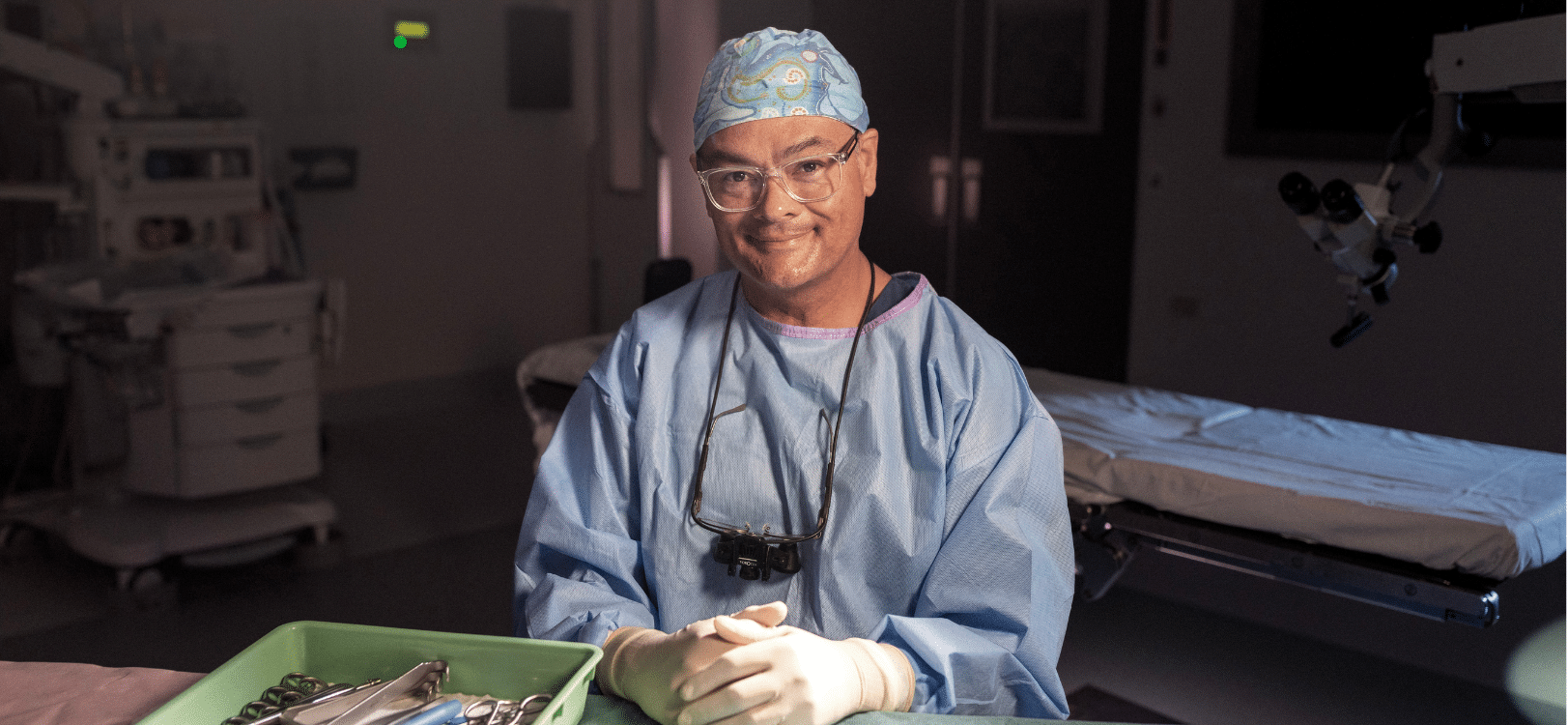



Professor Thava Palanisami is an internationally recognised research leader in environmental plastics, microplastics, nanoplastics and human health at The University of Newcastle.
His research asks a critical question: What happens to plastics after they enter the environment, and what does that mean for human health?
Professor Palanisami leads multidisciplinary research across the environment-to-human-health continuum, investigating how plastics weather and transform in the environment, interact with contaminants and microorganisms, move through environmental and food systems, and contribute to human exposure. His research integrates environmental science, analytical chemistry, toxicology, epidemiology, biomonitoring and health research to understand exposure, biological interactions and potential health risks.
He is the Founder of the Australian Plastics Research and Innovation Laboratory (APRIL) at the University of Newcastle’s Global Innovative Centre for Advanced Nanomaterials (GICAN), where he has built multidisciplinary research capability focused on plastics, emerging contaminants and human health.
His research journey began in environmental contamination, mixed contaminants, risk assessment and remediation, before evolving to emerging contaminants including microplastics and nanoplastics. His work includes the first global mass-based estimate of human microplastic ingestion, providing an important quantitative foundation for human exposure and health-risk assessment.
His current research is focused on the next frontier: developing reliable approaches to detect and quantify internal microplastic and nanoplastic burden and determining whether exposure can become a measurable, clinically meaningful risk determinant for chronic disease.
Through HMRI and the Cancer Detection and Therapy Research Program, his research provides a pathway connecting environmental exposure science with human health, disease prevention and translational research.