Chances are if you don’t have asthma you wouldn’t think twice about walking up a flight of stairs, or worry about keeping up with everyday activities because you aren’t sure how your breathing will cope.
For many people living with asthma, breathlessness can be a daily reality, even when they are taking their medication and their asthma is well managed.
In fact, a previous study from HMRI Breathing and Lung Health researchers found that 51 per cent of people with mild-to-moderate asthma and 49 per cent of those with severe asthma experience physically limiting breathlessness despite treatment.
University of Newcastle’s Professor Vanessa McDonald from HMRI’s Breathing and Lung Health Research Program, says in addition to the physical symptoms there are other impacts to contend with.
“Breathlessness can reshape almost every aspect of everyday life. Its impact extends well beyond physical limitation into emotions, relationships, identity, work and participation.”
Professor McDonald explains breathlessness can be both acute and chronic, and people with asthma can experience both types.
“In asthma most people think about the shortness of breath that people experience with asthma attacks, rather than the daily chronic symptoms experienced by many”
“It is important that people know the difference between chronic breathlessness and acute breathlessness that is related to worsening of their condition. If the breathlessness is related to asthma or another condition prompt medical attention needs to be sought as a priority.”
Professor McDonald, Dr Hayley Lewthwaite and their team are testing a new way to try and help people with their everyday shortness of breath.
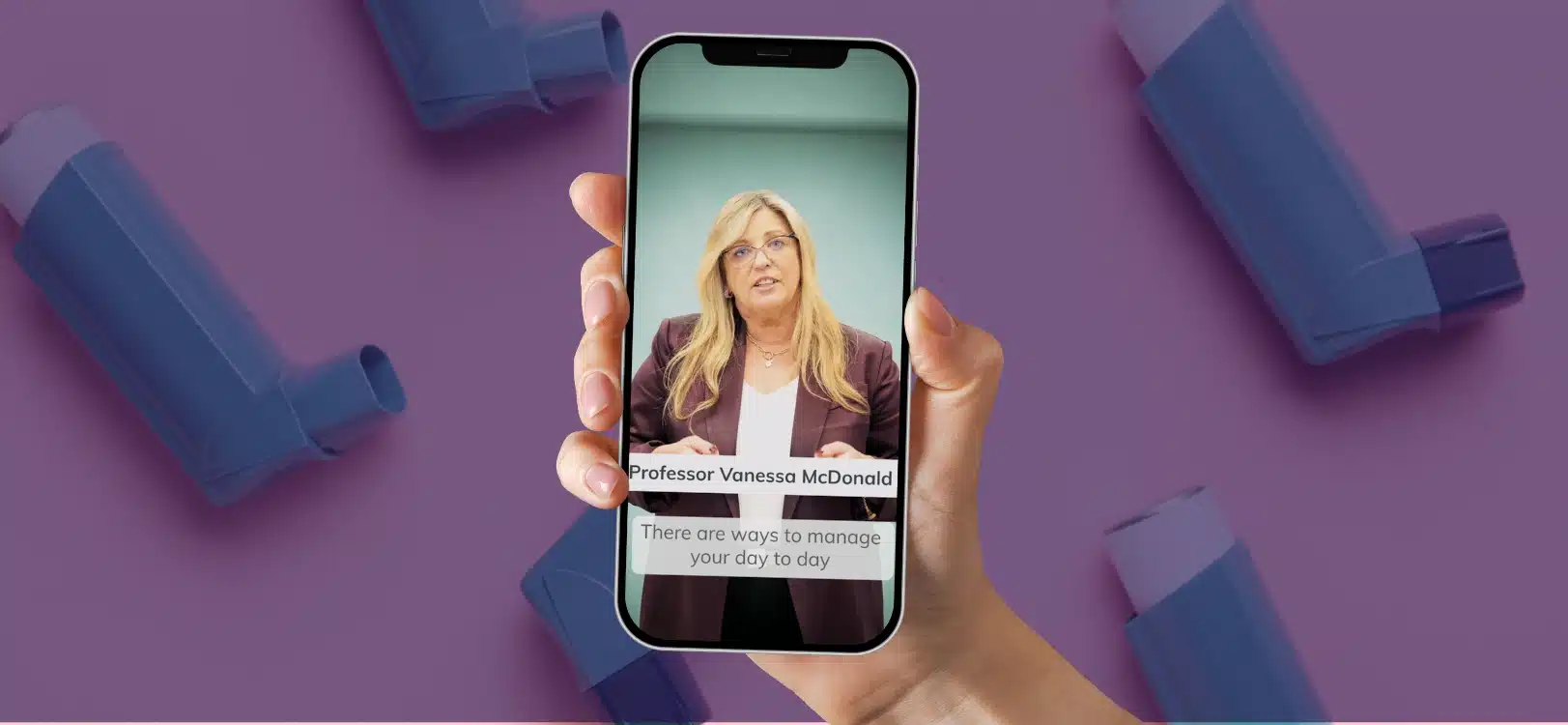
The BRAID Study, or Breathlessness Relief in Asthma through a Digital Intervention, is exploring whether technology can put practical support at people’s fingertips.
The study is trialling a personalised smartphone application designed to help adults with asthma better manage breathlessness and become more physically active.
Rather than relying on a single strategy, the BRAID intervention combines an in-person nurse-led self-management session with ongoing digital support through the app. The resources focus on helping people develop skills to manage breathlessness, participate in physical activity and make changes that can be sustained over the long term.
The platform includes expert-led video content explaining and demonstrating breathing exercises and certain sitting or standing positions that support breathlessness self-management anytime and anywhere.
At its heart, the study aims to help people regain confidence and take part in the activities that matter to them, like taking a walk with friends or running after young kids at the playground.
“The big picture is to help people breathe better to live the life they wish for,” says Professor McDonald.
“I would like this research to enable people to manage the disabling symptoms of chronic breathlessness by improving their self management and having effective management approach at their fingertips.”
The approach could offer a new way of supporting people with asthma between appointments, putting practical strategies for managing breathlessness in the palm of their hand.
As Asthma Week shines a light on the experiences of people living with asthma, studies like BRAID at HMRI are championing asthma care research that will help people breathe more comfortably, stay active and live life to the fullest.
To find out more or get involved, reach out to [email protected]