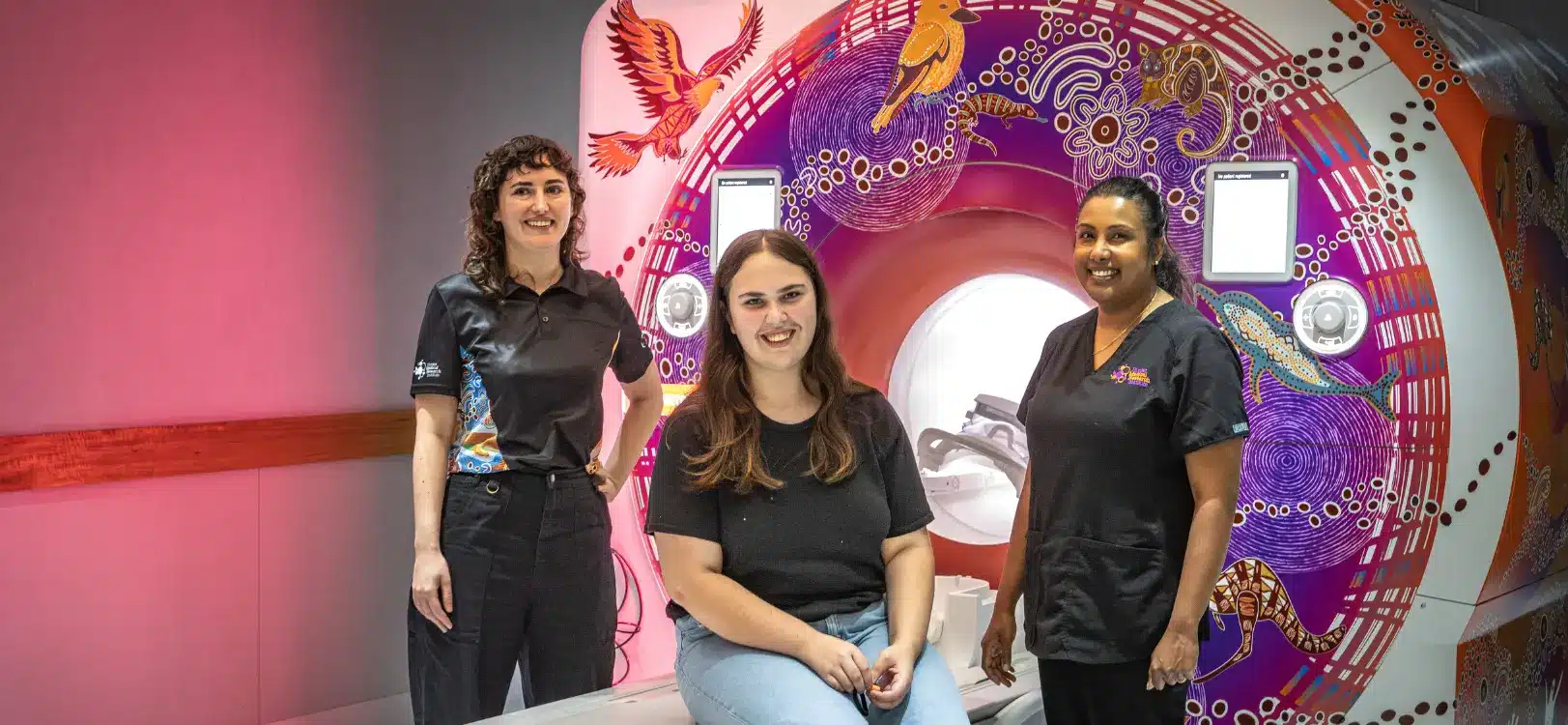

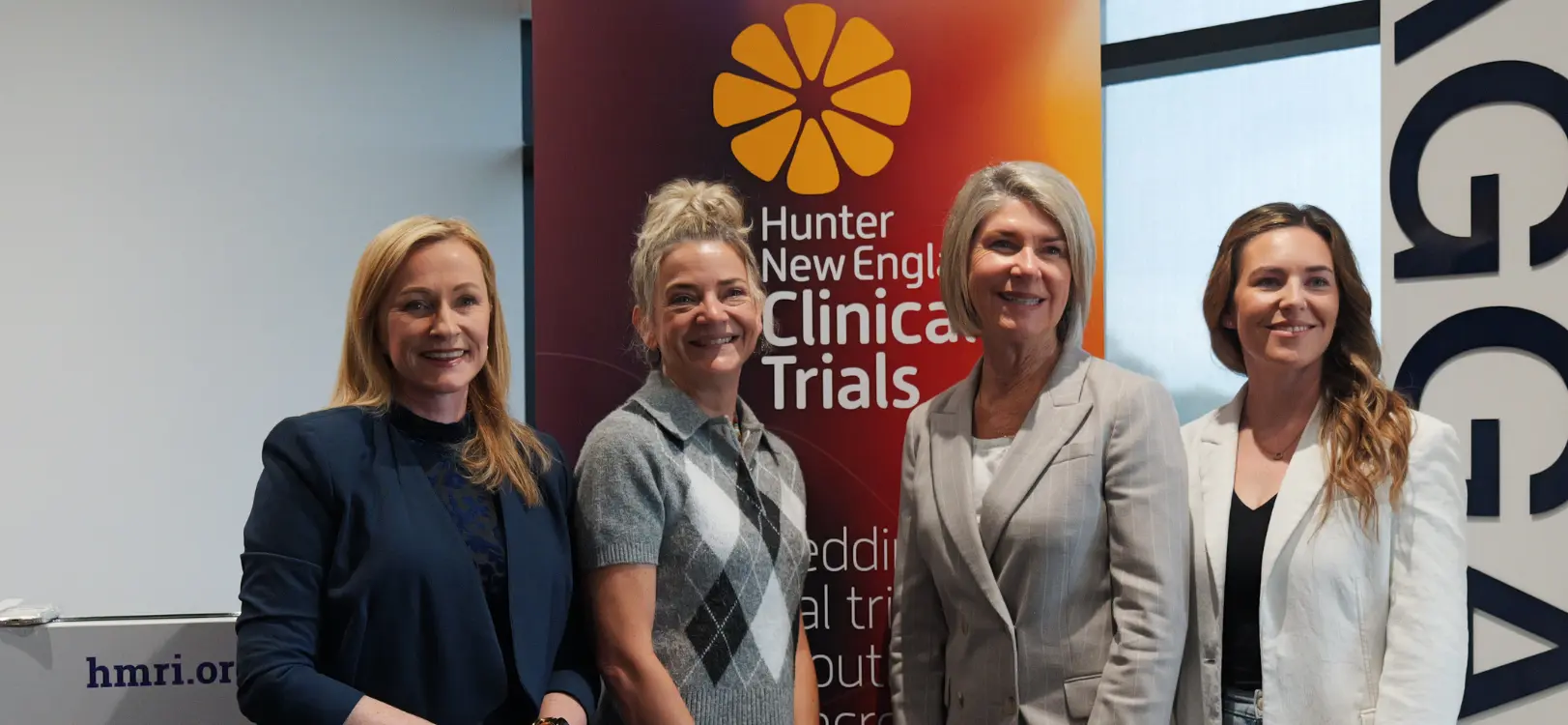
People across the Hunter New England region will soon have greater access to clinical trials and emerging treatments closer to home, reducing the need to travel and giving more locals the chance to be involved.
Hunter New England Clinical Trials brings together the Hunter Medical Research Institute (HMRI), Hunter New England Local Health District and the University of Newcastle, working within a coordinated model designed to make it easier to run trials locally.
HMRI Institute Director and CEO Professor Frances Kay said the program is about improving access to care locally and continually building evidence to identify new, effective treatment options.
“Hunter New England Clinical Trials will make sure people in our region have the same access to new treatments as those in major cities, without having to travel too far from home.
“For many people, taking part in a clinical trial hasn’t been straightforward. It can mean travelling, navigating complex processes, or simply not knowing what’s available.
“By bringing our hospitals, clinicians and researchers together, we’re making it easier to deliver trials locally and for people to take part,” Professor Kay said.
Hunter New England Clinical Trials introduces a single point of contact for clinical trials across the region and is supported by a purpose-built Clinical Trials Facility collocated on the John Hunter Hospital campus, to support clinical trial participation as part of routine care.
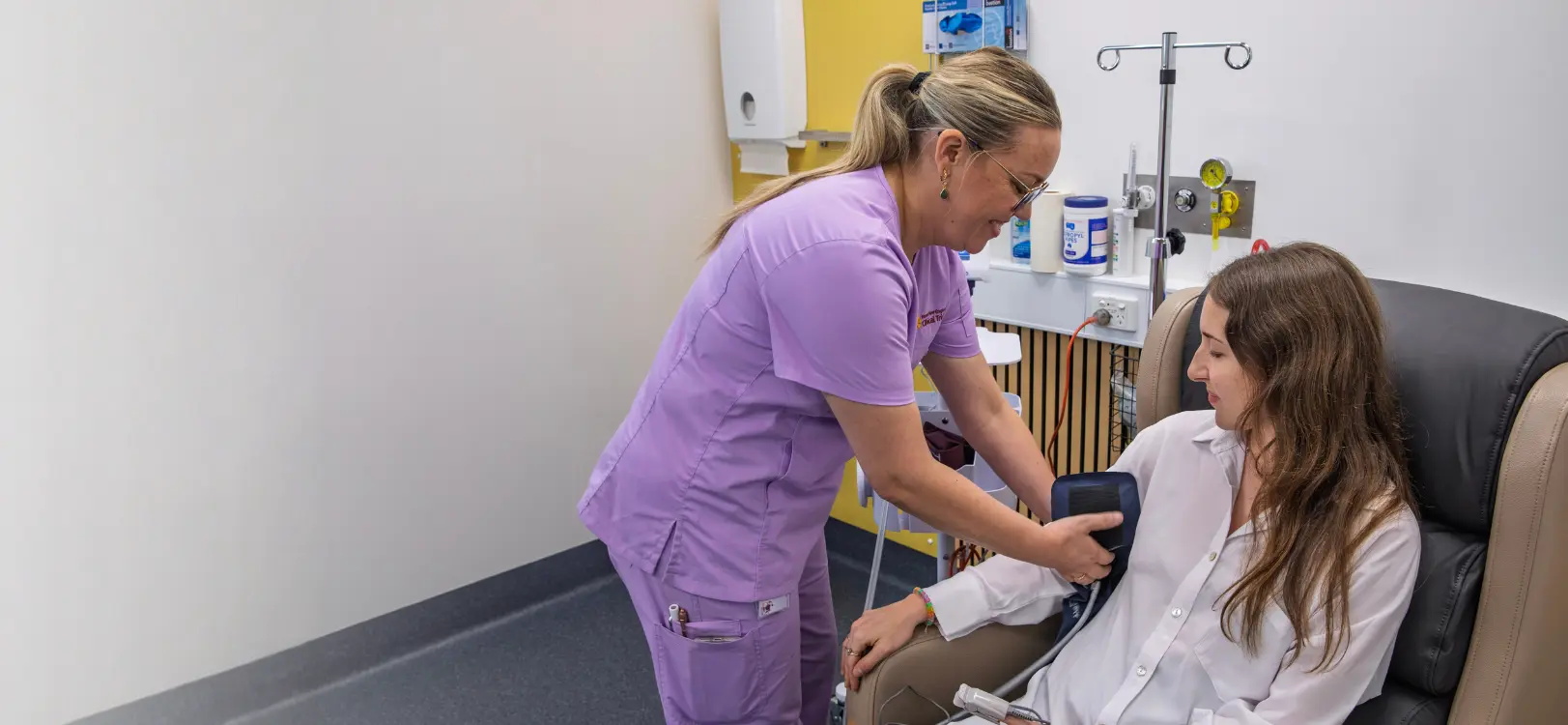
Professor Chris Levi, Director of the John Hunter Health and Innovation Precinct, said embedding clinical trials into everyday healthcare is key to improving outcomes.
“Clinical trials are a vital part of modern healthcare. They give patients access to new treatments, and support clinicians to identify new ways to provide the best patient care. They are also highly regulated, ensuring participation is voluntary and carefully monitored to protect safety and wellbeing.
“Being able to deliver trials locally means more of our patients can access new treatments earlier and our clinicians are directly involved in shaping the future of care.
“We’ll also be boosting support across a wide range of therapeutic areas, including paediatric trials. For families who have had to travel interstate to access paediatric trials previously, that’s a significant change,” Professor Levi said.
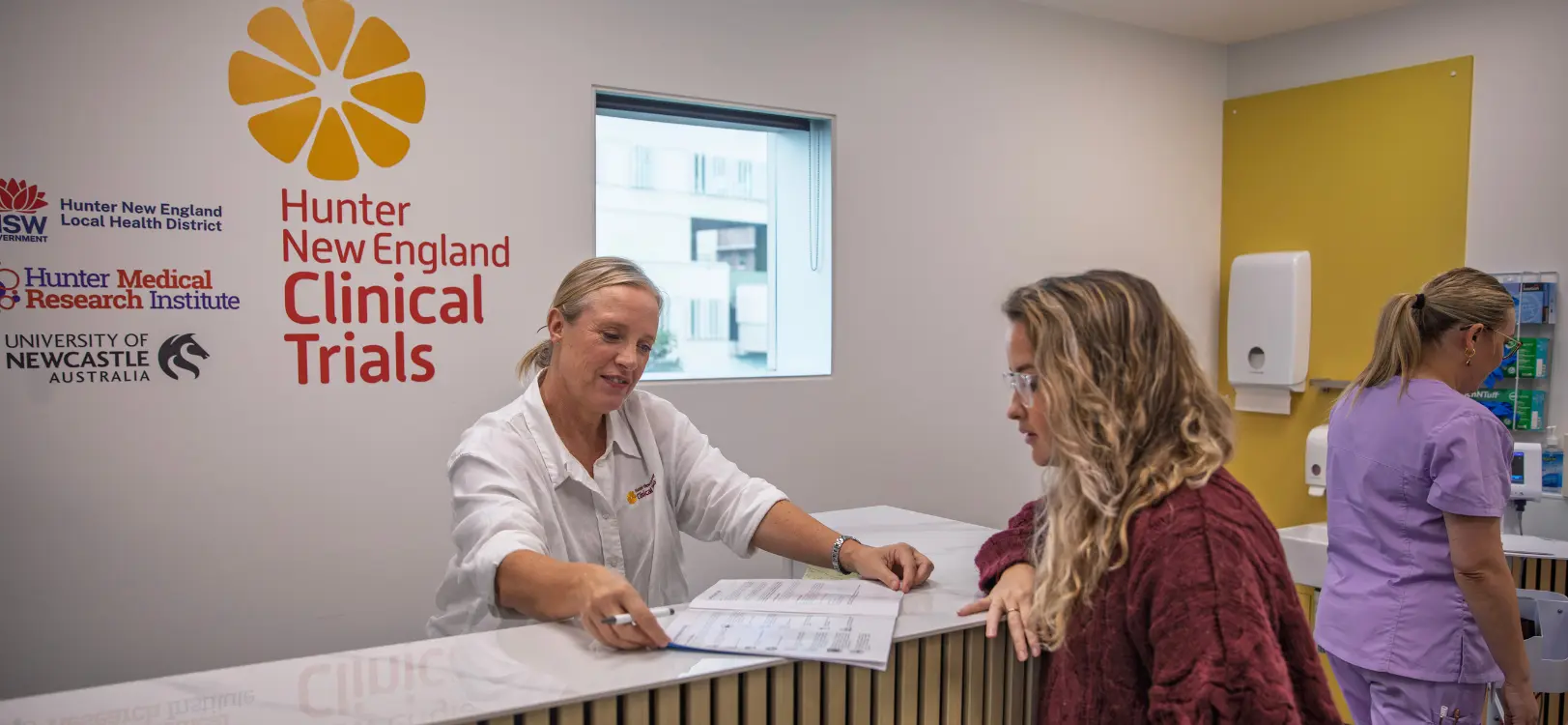
The initiative offers industry partners and researchers a more streamlined way to deliver trials in the region, with centralised support ensuring faster start-up timelines and coordinating access to a large and diverse population, within a robust, integrated governance framework.
University of Newcastle Vice-Chancellor Professor Alex Zelinsky AO said the initiative reflects the strength of regional collaboration.
“This is what it looks like when a university, a health system and a research institute work together to deliver real-world impact.
“For researchers and industry partners, this creates a more connected and efficient system, with the scale, infrastructure and coordination needed to deliver high-quality trials and translate research into practice faster,” Professor Zelinsky said.